

Trump Pressures Netanyahu to Halt Iran Attacks Amid Ceasefire Negotiations
Trump’s Ultimatum to Netanyahu: The Unavoidable Path to a US-Iran Deal
U.S. President Donald Trump has made it clear that Israeli Prime Minister Benjamin Netanyahu faces no alternative but to accept a U.S.-brokered agreement with Iran, stating, “He has no choice.” This declaration, made in an interview with the Financial Times, underscores the escalating pressure on Israel to comply with Washington’s diplomatic agenda amid rising regional tensions.

Trump’s comments come after a tense phone call with Netanyahu, during which the U.S. leader reportedly urged Israel to avoid retaliating against Iranian strikes. The context? A series of rocket attacks from Iran and its allies, including Hezbollah, targeting Israeli territory. Despite Trump’s warnings, Israel responded with airstrikes in Beirut, marking the first such attack since the U.S.-brokered ceasefire in Lebanon took effect on April 8.
Escalating Tensions in the Middle East
The latest clashes highlight the fragile state of the Middle East. On April 10, Iran fired a volley of rockets at Israeli targets in response to an Israeli strike on Hezbollah positions near Beirut. Israel’s military claimed it intercepted the missiles, though no casualties were reported. Meanwhile, Yemen’s Houthi rebels launched a rocket attack on Israeli soil, further complicating the regional dynamics.
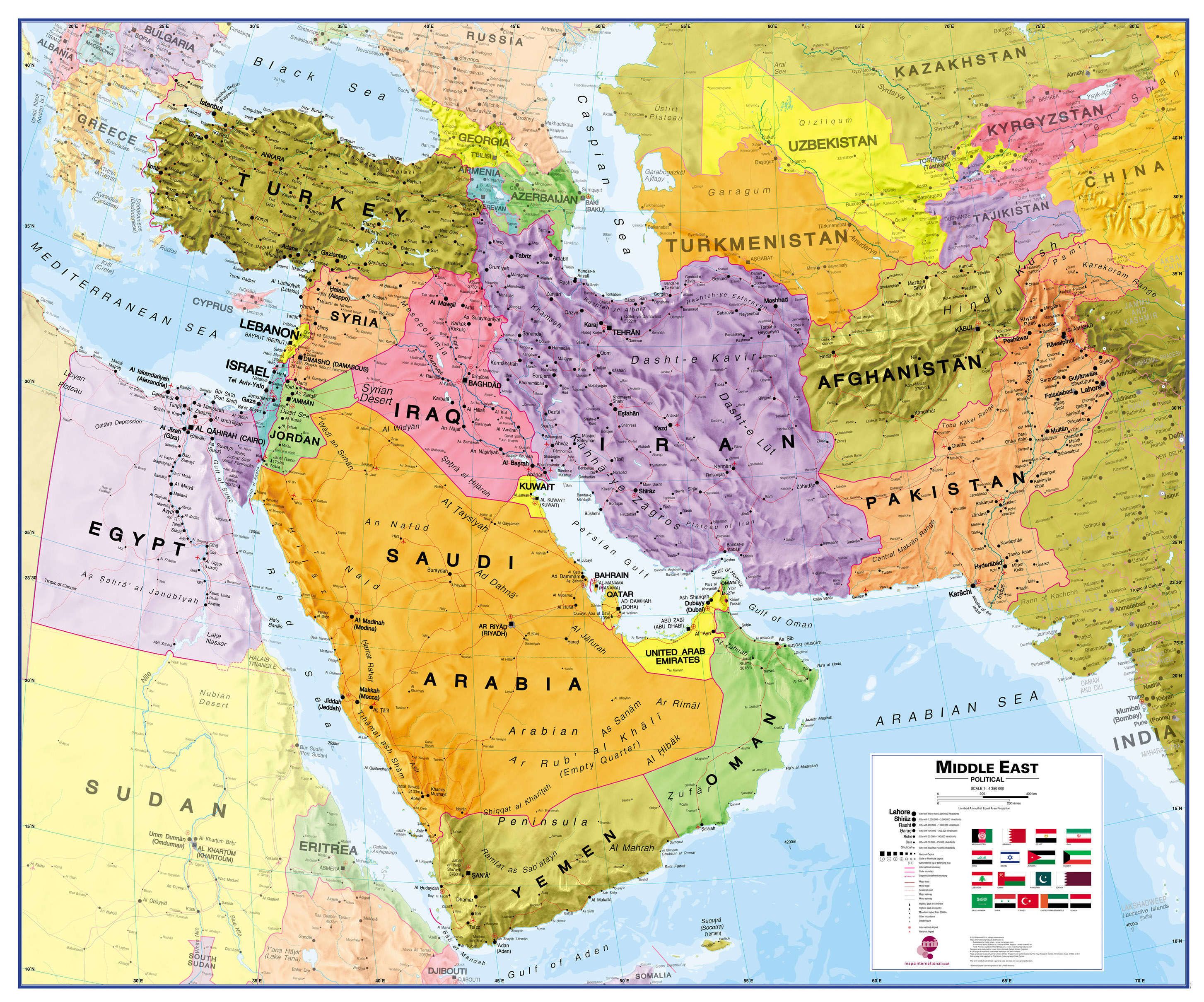
Iran has tied its willingness to engage in long-term negotiations with the U.S. to the enforcement of the Lebanon ceasefire. The Islamic Republic argues that Israel’s incursion into Lebanon in March—targeting Hezbollah fighters—has undermined the fragile truce. “Any enduring deal with Washington will depend on maintaining the ceasefire in Lebanon,” an Iranian official stated, per Reuters.
The Role of the U.S. in Mediating Ceasefires
Washington’s involvement in the region has shifted from military intervention to diplomatic mediation. The April 8 ceasefire agreement, brokered by the U.S., aimed to de-escalate hostilities between Israel and Hezbollah. However, the recent attacks suggest the truce remains tenuous. Trump’s insistence on a deal with Iran reflects a broader strategy to reduce U.S. military commitments in the Middle East while curbing Iranian influence.
“This is a high-stakes gamble,” said Dr. Emily Carter, a senior analyst at the Brookings Institution. “If the U.S. fails to secure a deal, the risk of a wider regional conflict escalates. But if it succeeds, it could reshape the balance of power in the Middle East.”
What’s Next for US-Iran Diplomacy?
Trump’s approach to Iran has been characterized by a mix of confrontation and negotiation. His “maximum pressure” campaign, which included sanctions and the 2018 withdrawal from the Iran nuclear deal, has yielded limited results. Now, with Iran’s recent strikes and Israel’s retaliatory actions, the U.S. faces a critical juncture.
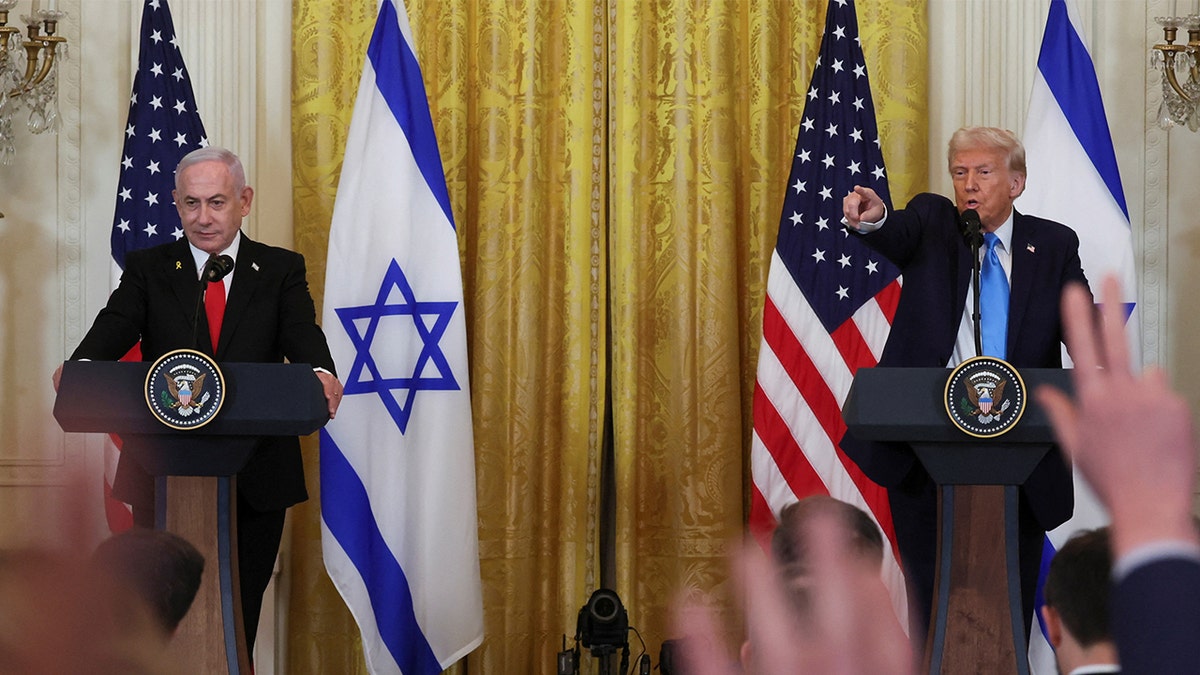
Analysts suggest that a potential deal could involve Iran curtailing its missile program in exchange for eased sanctions. However, Netanyahu’s resistance to such an agreement remains a hurdle. “Israel sees Iran as an existential threat,” noted The New York Times. “Any deal must address this perception, or it will fail.”
FAQ: Understanding the Regional Crisis
Why is the U.S. pushing for a deal with Iran?
The U.S. seeks to reduce regional instability and focus on domestic priorities. A deal could also prevent Iran from developing nuclear capabilities, according to Al Jazeera.
What are the risks of escalating tensions?
Increased violence could draw in other regional powers, such as Saudi Arabia and Turkey, and risk a broader war. The BBC reports that even a limited conflict could disrupt global oil supplies.
How is Israel responding to the crisis?
Israel has intensified its airstrikes in Lebanon and Syria, targeting Hezbollah infrastructure. The military claims these actions are defensive, but critics argue they risk provoking further retaliation.
Did you know? The U.S.-brokered Lebanon ceasefire has been violated multiple times since its implementation, highlighting the challenges of maintaining peace in the region.
Pro tip: Follow updates from The Washington Post and Reuters for real-time analysis of diplomatic developments.
As the situation unfolds, the world watches closely. The outcome of U.S.-Iran negotiations and Israel’s response could determine the future of Middle East stability. Explore more articles to stay informed on this critical issue.