
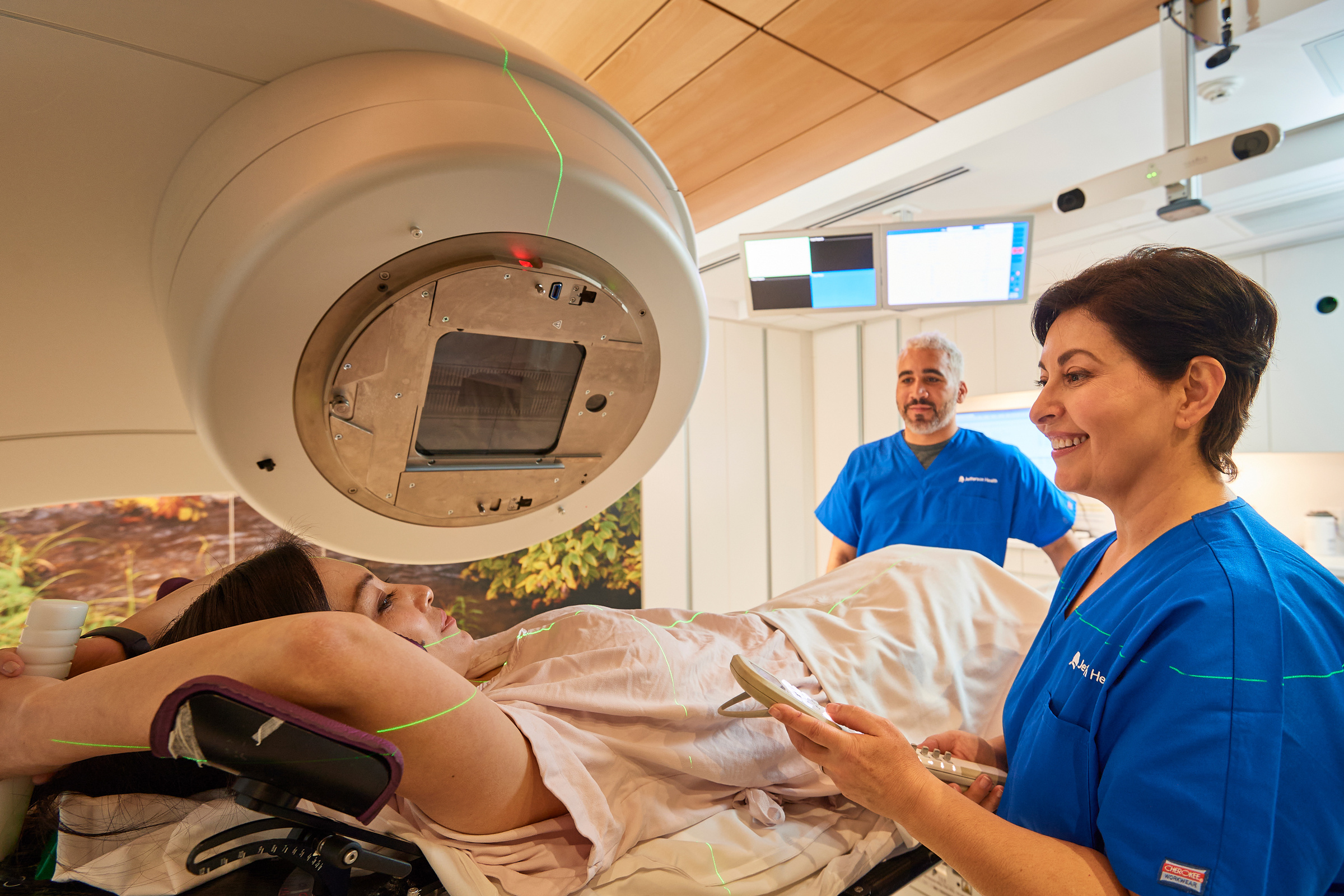
ENEA’s PULSAR Project: Innovative Low-Cost Breast Cancer Therapies
ENEA is funding the PULSAR research project to develop breast cancer therapies designed to lower costs and minimize side effects. The project targets aggressive and treatment-resistant forms of the disease, specifically utilizing a combination of electrochemotherapy and interleukin-12 immunotherapy to improve drug delivery and efficacy, according to project documentation.
How does the PULSAR project target aggressive breast cancer?
The research focuses on carcinomas that resist standard treatments, such as triple-negative breast cancer. According to the project details, this specific form of cancer possesses a “biological invisibility cloak” that prevents the body’s own immune defenses from detecting and attacking the tumor.
Arianna Casciati, a researcher at the ENEA Biotechnology RED Laboratory within the Sustainability Department and the creator of the project, stated that the expected results will allow antitumor drugs to be delivered in a more targeted manner. This approach aims to increase the effectiveness of the treatment while reducing overall toxicity for the patient.
What technologies are being used to reduce toxicity?
The PULSAR approach integrates two distinct methods: electrochemotherapy and immunotherapy based on interleukin-12. This molecule is used to reactivate the antitumor immune response.

The project relies on two specific ENEA patents to achieve these results. One patent covers a system using ultra-short electric fields for tumor treatment, while the second patent focuses on the production of interleukin-12 using plants.
What may happen next for these therapies?
If the project meets its goals, these targeted delivery systems could lead to a reduction in the systemic toxicity typically associated with chemotherapy. The use of plant-based production for interleukin-12 may potentially lower the financial barriers to accessing such immunotherapies.
Further development could involve testing the efficacy of the ultra-short electric field system across different stages of triple-negative breast cancer to determine if the “biological invisibility cloak” can be consistently breached.
Frequently Asked Questions
What is the primary goal of the PULSAR project?
The project aims to develop breast cancer therapies characterized by reduced costs and minimal side effects.
Which specific type of breast cancer is the research targeting?
The research focuses on aggressive and resistant forms, such as triple-negative breast cancer, which is described as having a “biological invisibility cloak” that hinders the body’s immune response.
How is the immunotherapy component produced in this project?
The project utilizes an ENEA patent to produce the molecule interleukin-12 via plants.
Do you think the integration of plant-based medicine will become a standard in oncology?