
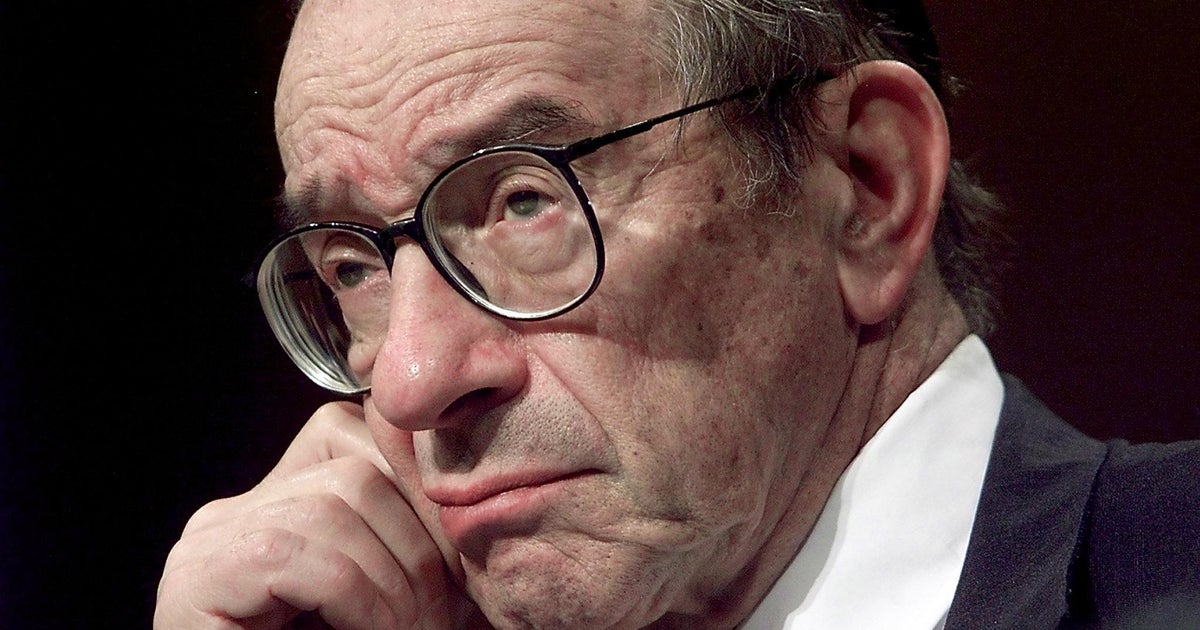
Former Federal Reserve Chairman Alan Greenspan Dies at 100
Alan Greenspan, the long-serving chairman of the Federal Reserve who guided U.S. monetary policy across four presidential administrations, died Monday at age 100. His wife, NBC News correspondent Andrea Mitchell, confirmed the death, noting it resulted from complications of Parkinson’s disease.
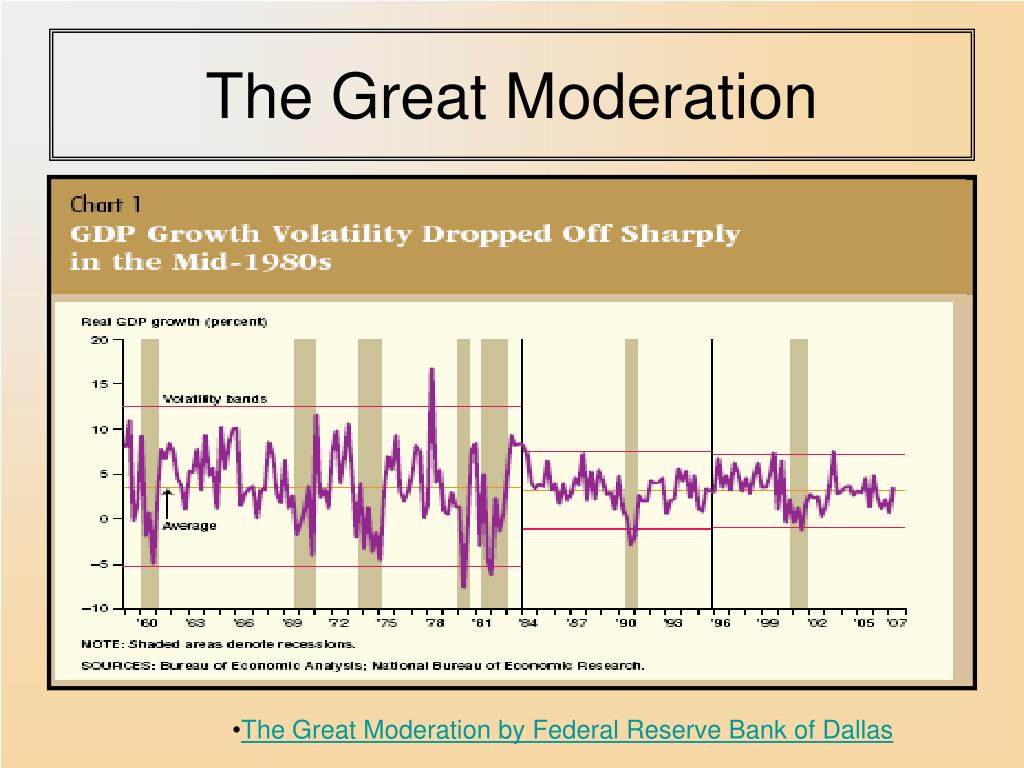
Greenspan’s tenure at the central bank, which spanned from 1987 to 2006, defined an era of economic policy marked by both sustained growth and significant financial turbulence. While he is credited with overseeing the “Great Moderation”—a period of low inflation and market stability—his legacy remains a subject of intense debate regarding his role in the 2008 global financial crisis.
Before becoming a central banker, Alan Greenspan studied the clarinet at Juilliard. As a child prodigy, he demonstrated an early aptitude for mathematics, reportedly able to add three-digit sums in his head by the age of five.
The Legacy of the “Great Moderation”
Greenspan’s influence on the U.S. economy reached its peak during the mid-1980s through 2007. According to his official records, this era was characterized by consistent stock market gains and strong economic growth. He became a household name for his “gnomic” commentary, which investors and lawmakers frequently analyzed for signals on interest rate shifts.
In 1996, he famously cautioned against “irrational exuberance” as internet stock valuations climbed. Despite this, critics—including analysis cited by The Economist—have argued that he failed to adequately regulate the financial sector or intervene to pop asset bubbles in the late 1990s and mid-2000s. Greenspan maintained he was a victim of “revisionist history,” telling Fortune Magazine in 2007 that he had issued warnings regarding subprime mortgages.
The tension in Greenspan’s career lies in the evolution of his own economic philosophy. While he was once a strict proponent of market efficiency, his later admissions regarding “missing variables”—specifically human behavior—suggest a significant shift. His career serves as a case study in the limits of mathematical modeling when faced with the inherent unpredictability of human euphoria and fear in financial systems.
Transparency and Economic Forecasting
Throughout his time at the Fed, Greenspan pushed for greater transparency, moving away from the opaque communication styles of his predecessors. He believed that surprising the markets served little purpose unless it was intentional. This shift changed how central banks interact with the public, setting a precedent for the modern era of Fed communication.
Looking ahead, economic historians and policymakers are likely to continue scrutinizing the balance Greenspan struck between market deregulation and systemic oversight. As central banks navigate future inflationary pressures, the “Greenspan model” of balancing interest rate policies with market transparency remains a reference point for current financial governance.
Frequently Asked Questions
What was the “Great Moderation” associated with Alan Greenspan?
It was a period of economic stability from the mid-1980s until 2007, marked by strong economic growth, stock market gains, and low inflation.
Did Greenspan believe his policies caused the 2008 financial crisis?
No. Greenspan defended his record, telling Fortune Magazine in 2007 that he had warned about red flags in the housing market and that criticism of his role was “revisionist history.”
How did Greenspan view the role of human behavior in economics?
Early in his career, he believed human behavior was “not worth evaluating.” He later acknowledged that systemic human activities were “very important missing variables” in economic forecasting.
How should history ultimately categorize the balance between market freedom and government regulation in the context of Greenspan’s long tenure?