

Enhancing Accessibility and Infrastructure in San Francisco de Heredia
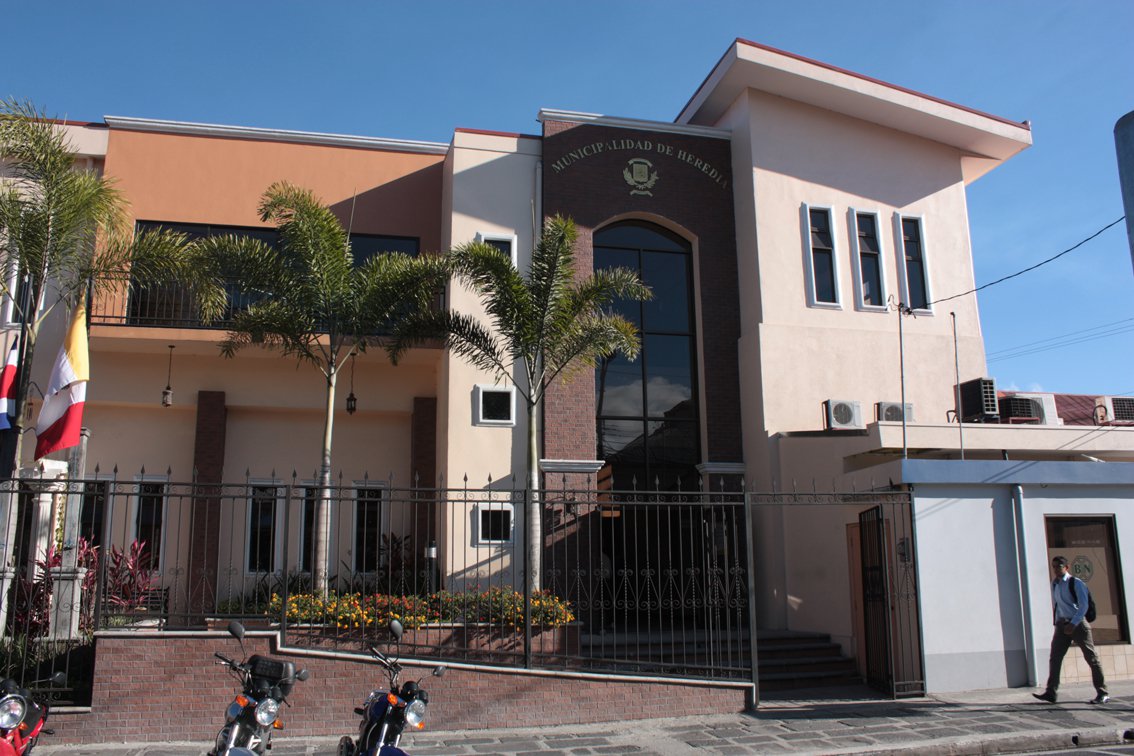
The Municipalidad de Heredia is upgrading the Urbanización La Victoria in San Francisco de Heredia with universal accessibility and modernized rain drainage. According to the municipality, the project prioritizes senior citizens to ensure safer transit to the communal park and restore citizen trust through tangible infrastructure improvements.
Why is universal accessibility becoming a priority for city planning?
Universal accessibility ensures that people of all ages and physical abilities can navigate public spaces without barriers. In San Francisco de Heredia, the local government identified that the area is primarily inhabited by older adults, making accessible pathways a necessity rather than an amenity.
This shift aligns with global trends seen in the World Health Organization’s (WHO) Age-Friendly Cities framework. The goal isn’t just adding ramps; it’s about creating an environment where seniors maintain independence. When cities prioritize “silver infrastructure,” they reduce social isolation and lower the risk of accidents for a vulnerable demographic.
How does modern drainage impact urban mobility?
Modernizing rain evacuation systems prevents the standing water and erosion that typically degrade urban roads. The Municipalidad de Heredia included drainage upgrades in the La Victoria project to ensure the new accessibility features don’t wash away during heavy rains.
Many cities are now moving toward “Sponge City” concepts. Instead of just piping water away, these systems use permeable materials to absorb rain into the ground. This reduces the load on municipal sewers and prevents the flash flooding that often paralyzes local traffic in tropical climates.
According to urban planning standards, integrating drainage with pedestrian upgrades is more cost-effective than treating them as separate projects. It prevents the “dig-twice” scenario where a new sidewalk is torn up months later to fix a leaking pipe.
What role does community feedback play in infrastructure success?
Direct resident input ensures that public works solve actual problems rather than theoretical ones. The Municipalidad de Heredia specifically cited “active listening” and consultations with residents—including Doña Noemy, doña Ana Isabel, and don Luis—to finalize the street solutions.
This is a move toward participatory urbanism. Traditional top-down planning often misses the “micro-obstacles” that only locals know, such as a specific corner that floods every Tuesday or a sidewalk gap that blocks a wheelchair. By involving the community, cities increase the “social ROI” of their spending.
Comparing Traditional vs. Inclusive Urbanism
The approach in San Francisco de Heredia marks a contrast to traditional roadwork. A comparison of the two strategies reveals a shift in priorities:
- Traditional Planning: Prioritizes vehicle flow, uses standard concrete slopes, and follows a rigid engineering blueprint.
- Inclusive Planning: Prioritizes pedestrian safety, integrates universal accessibility for seniors, and adjusts based on resident feedback.
Frequently Asked Questions
What is universal accessibility?
It’s the design of products and environments to be usable by all people, to the greatest extent possible, without the need for adaptation or specialized design.
Why is drainage important for sidewalks?
Poor drainage leads to puddles and soil erosion, which can crack pavement and create tripping hazards, especially for those with limited mobility.
How can citizens influence local works?
Through municipal town halls, community boards, and direct communication with local government representatives, as seen in the Heredia case.
Want to see how your neighborhood compares to these new standards? Share your thoughts on urban accessibility in the comments below or subscribe to our newsletter for more insights on sustainable city living.