
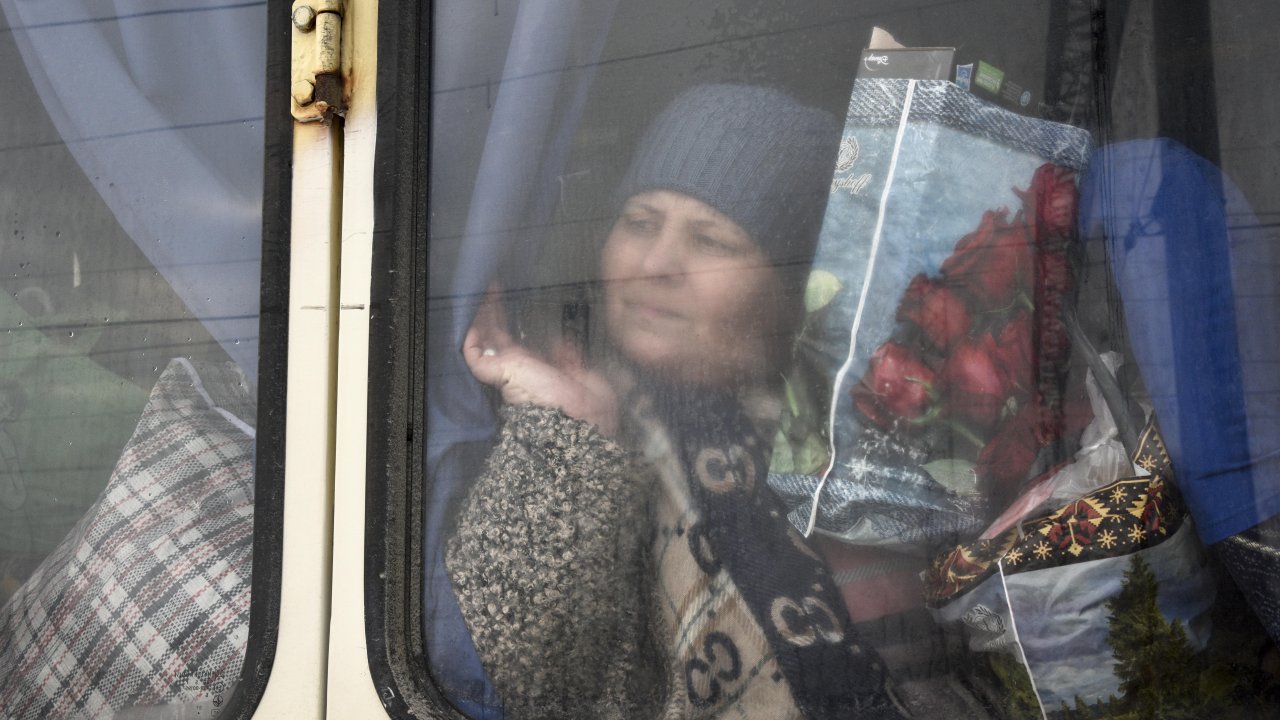
Escaping Russian Occupation: The Perilous Journey Back to Ukraine
The Weaponization of Identity: The Long-Term Impact of Forced Passportization
In the shadows of occupied territories, citizenship has ceased to be a legal status and has instead become a tool of survival. The process of “passportization”—the forced or coerced issuance of Russian passports to residents of occupied Ukrainian regions—creates a profound psychological and legal paradox for millions.
For many, accepting a foreign passport is not an act of political alignment but a desperate necessity to access healthcare, education, and property rights. However, this creates a “loyalty trap.” As we look toward the future, this trend suggests a growing class of “grey zone” citizens who may face scrutiny from both the occupying forces and their own government upon liberation.
The Legal Limbo of the “Survivor”
The future of post-war reconciliation will likely hinge on how societies distinguish between ideological collaborators and those who “complied to survive.” The trend of expropriating homes from those who refuse Russian documentation suggests that the goal is not just administrative control, but the permanent erasure of the previous social fabric.
Legal experts suggest that future tribunals and reintegration programmes will need to implement nuanced “survival clauses” to prevent the mass criminalization of civilians who were forced into administrative submission.
The Digital Panopticon: Surveillance in the Occupied East
Modern occupation is no longer just about boots on the ground; it is about data on a screen. The implementation of government-mandated tracking apps and the routine scrubbing of mobile devices represent a shift toward “digital filtration.”

We are seeing a trend where the digital footprint becomes a death warrant. The practice of deleting photos of soldiers or patriotic symbols is a survival mechanism that reflects a broader move toward total information control. This digital surveillance creates a state of permanent paranoia, where trust is eroded even among neighbors.
The Rise of “Digital Resistance”
Despite the risks, a trend of clandestine digital networks is emerging. From online Ukrainian schooling for children—who risk detention for refusing Russian curricula—to encrypted communication channels, the battle for identity is being fought in the cloud. The ability to maintain a secret digital identity is becoming as crucial as physical survival.
The Generational Rift: Education as a Battlefield
One of the most critical future trends is the ideological divergence among the youth in occupied zones. When children are forced into Russian schools, the occupation moves from the streets into the mind. The refusal of a 15-year-old to attend a Russian school is not just a rebellious act; it is a high-stakes political statement that often forces the entire family to flee.
This suggests a future “lost generation” divided by their educational experiences. Those who stayed and were indoctrinated may find themselves culturally alienated from their peers in liberated territories, complicating the social reintegration process for decades to come.
The Psychology of Displacement and “Ghost Towns”
As the elderly remain in their ancestral homes—often the only thing they have left—we are seeing the emergence of “ghost villages.” These are settlements where the young have fled to avoid conscription or indoctrination, leaving behind a vulnerable population that is easier to control but harder to support humanitarily.
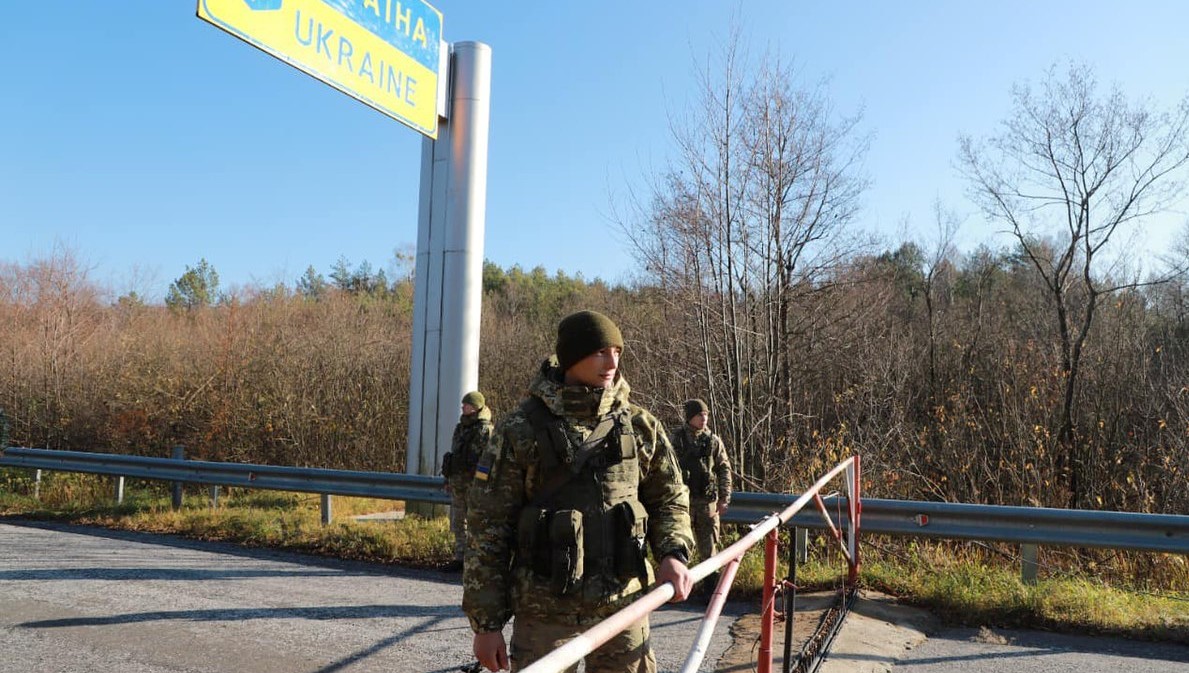
For more on the geopolitical implications of these borders, see our analysis on the shifting dynamics of Eastern European security or explore the latest reports from UNHCR regarding displaced populations.
FAQs: Understanding Life Under Occupation
What is “passportization”?
It is the process by which an occupying power forces residents of a captured territory to take its citizenship to access basic services, effectively attempting to legitimize the annexation of the land.
What does “filtration” mean in a conflict zone?
Filtration refers to the screening process used by occupying forces to identify pro-Ukrainian sentiments, military ties, or intelligence links through interrogations and phone inspections.
Why do some people return to occupied territories?
Many return to care for elderly parents, visit the graves of loved ones, or maintain the few remaining property ties they have to their homeland, despite the immense risk of detention.
Join the Conversation
The human cost of occupation often goes unseen in the headlines. Do you believe international law does enough to protect civilians forced into “administrative” collaboration? Share your thoughts in the comments below or subscribe to our newsletter for deep-dive reports on human rights in conflict zones.