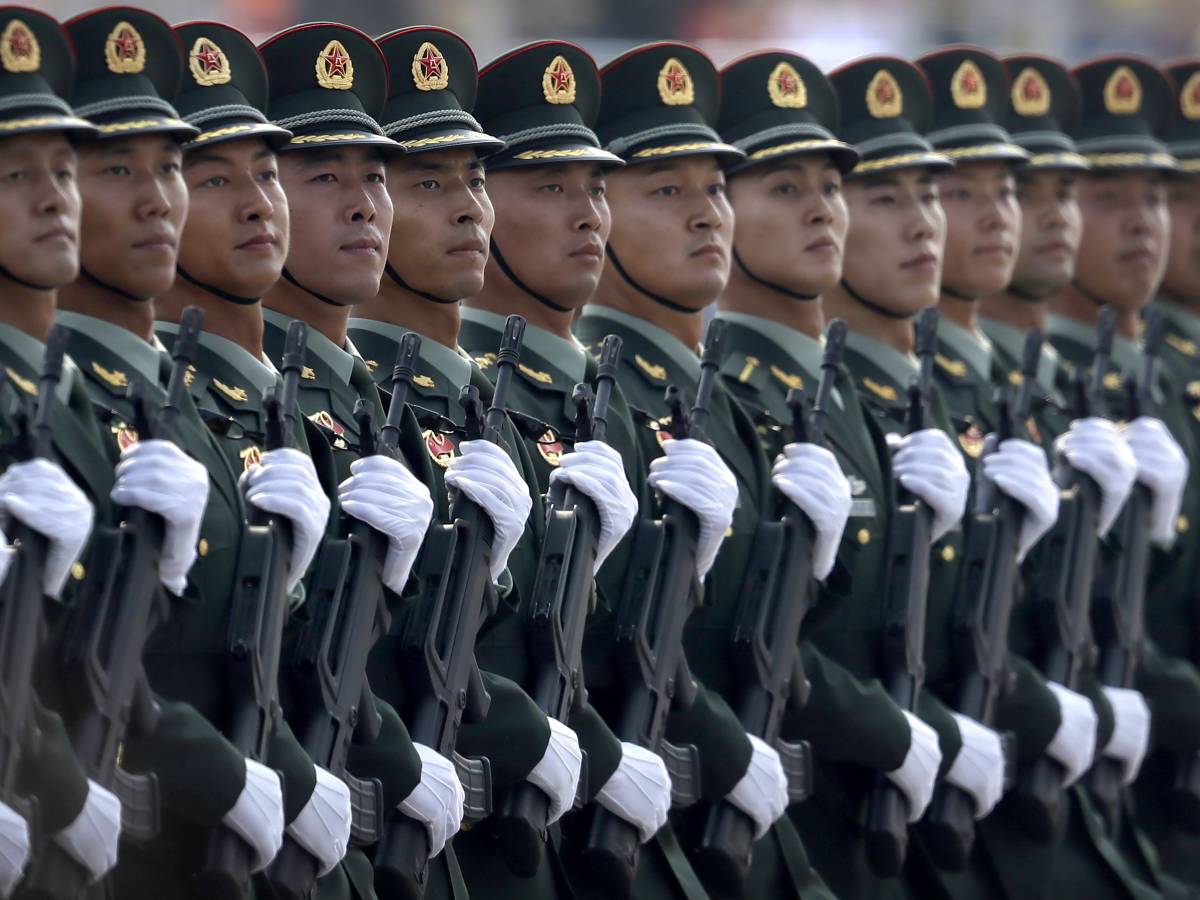
EU-China Tensions Rise Over Reports of Chinese Military Training for Russian Troops
European Union intelligence agencies have verified reports that China is providing direct military training to Russian personnel, marking a significant escalation in Beijing’s involvement in the ongoing conflict in Ukraine. According to briefings held in Brussels, hundreds of Russian soldiers have participated in specialized training programs on Chinese soil, with some subsequently deployed to the front lines. This development shifts the focus from previous concerns regarding dual-use technology exports to direct, hands-on military cooperation between Beijing and Moscow.
How has the nature of China’s support for Russia changed?
The core shift lies in the transition from indirect supply chains to active training. While Western nations previously accused China of facilitating Russia’s military-industrial complex through the sale of dual-use components, current intelligence indicates a move toward tactical instruction. According to European officials, the training programs began in the second half of 2025 and focus on high-tech warfare, including drone operations, electronic countermeasures, and armored unit maneuvers. By providing access to advanced simulators and specialized technology, Chinese facilities are directly enhancing the combat effectiveness of Russian units operating in Ukraine.
European intelligence reports suggest that the training sessions were conducted in multiple locations across China, including sites near Beijing and Nanjing, suggesting a coordinated institutional effort rather than isolated incidents.
Why does this training pose a strategic threat to the EU?
The involvement of Chinese instructors in training Russian soldiers complicates the EU’s security architecture. According to analytical reports, this cooperation challenges Beijing’s stated position of neutrality in the Ukraine conflict. For the European Union, the primary concern is the qualitative difference this training provides. Unlike generic technology transfers, tactical training on drone-countering and electronic warfare directly impacts the battlefield reality in Ukraine. This forces a re-evaluation of EU-China relations, as member states now consider how to address the vulnerability of European defense supply chains that still rely heavily on Chinese inputs.

What are the implications for future EU-China diplomatic relations?
The revelation of these training programs is set to dominate upcoming sessions of the EU Foreign Affairs Council. Member states are currently assessing how to balance economic ties with the necessity of a unified security stance. While China has consistently denied providing lethal aid to Moscow, the evidence of training creates a diplomatic impasse. Analysts note that this discovery may trigger a more restrictive approach to trade, particularly regarding technologies that could be repurposed for military training or battlefield use, as the EU seeks to reinforce its own strategic autonomy.
To understand the nuances of this shift, compare the current reports of direct training with the 2024-era concerns, which focused almost exclusively on satellite imagery and the trade of microchips. The current situation represents a clear, documented escalation in the depth of cooperation between the two powers.
Frequently Asked Questions
- What evidence links China to the training of Russian troops?
European intelligence agencies have verified the existence of training programs in China, tracking the movement of hundreds of Russian soldiers through military facilities in regions like Beijing and Nanjing. - Has China officially responded to these allegations?
Beijing maintains a policy of neutrality and has repeatedly rejected claims that it provides lethal or direct military support to Russia for the war in Ukraine. - Why is this different from previous reports of “dual-use” goods?
Previous reports focused on the export of components like processors or navigation systems. Direct training represents a human-capital contribution that improves the tactical performance of Russian military units on the ground.
How do you think the European Union should respond to these revelations? Share your thoughts in the comments below or subscribe to our newsletter for deep-dive updates on global security trends.