

EU credibility ‘undermined’ if no strong stance on Israel
Taoiseach Micheál Martin has warned that European Union credibility is at risk unless the bloc takes strong action against Israel for alleged war crimes and breaches of international law. Martin is calling for sanctions against extremist Israeli ministers Itamar Ben-Gvir and Bezalel Smotrich, alongside a potential EU-wide ban on goods produced in illegal West Bank settlements.
Why is the EU debating sanctions against Israeli ministers?
The push for sanctions stems from allegations of international law breaches and war crimes. Taoiseach Micheál Martin stated that the EU’s failure to take a strong stance undermines its global standing. He specifically targeted ministers Itamar Ben-Gvir and Bezalel Smotrich for their roles and rhetoric.
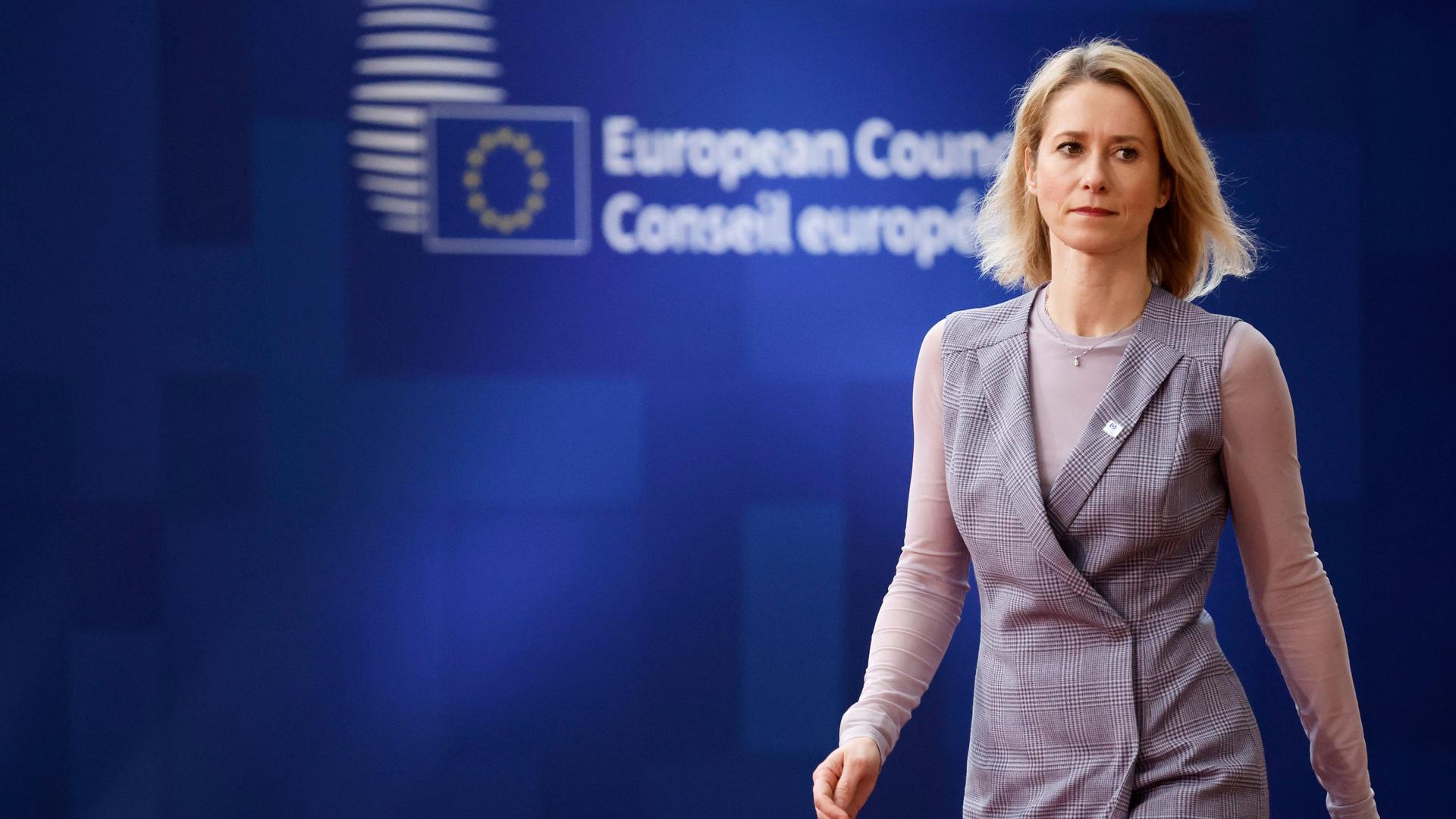
However, EU sanctions on individuals or entities require the unanimous support of all 27 member states. According to EU foreign policy chief Kaja Kallas, that unanimity does not currently exist. Some member states, including Czechia, have explicitly stated they do not support punitive sanctions against Ben-Gvir regarding the Gaza Flotilla issue.
How could a ban on West Bank settlement goods be implemented?
A ban on goods from illegal Jewish settlements in the West Bank follows a different legal path than individual sanctions. The European Commission is developing proposals for this ban, which could be passed through a weighted majority rather than requiring total unanimity.

Martin has urged that the matter be put to a formal vote among EU foreign ministers. He told reporters that forcing a vote could “create its own dynamic,” pushing member states to articulate and record their specific positions on Israel’s behavior in Lebanon, Gaza, and the West Bank.
What is the “credibility gap” Micheál Martin describes?
The Taoiseach argues that the EU faces a double standard in its foreign policy. He pointed to the bloc’s firm stance on the Russian invasion of Ukraine and the crisis in Sudan as benchmarks for international law.
According to Martin, when the EU advocates for human rights and justice in other global conflicts, its failure to act against alleged war crimes in Gaza damages its perceived legitimacy. He characterized the current lack of action as a blow to the “fairness, justice, and human rights” standards the EU claims to uphold.
By moving the debate from “consensus” to “voting,” Ireland is attempting to strip away the anonymity of the veto. A recorded vote forces member states to publicly justify their opposition to sanctions, which can increase domestic and international political pressure.
What actions has Ireland taken independently?
While waiting for EU consensus, Ireland has implemented its own restrictions. Martin confirmed this month that Itamar Ben-Gvir and Bezalel Smotrich are banned from traveling to Ireland.
The Taoiseach justified this move by stating that the ministers’ words “amount to a desire to see the elimination of Palestinians from Palestine.” He also wrote to European Council President Antonio Costa to ensure the harassment of Gaza Flotilla detainees by Ben-Gvir was placed on the EU summit agenda.
Comparison: Sanctions vs. Trade Bans
| Action Type | Voting Requirement | Current Status |
|---|---|---|
| Individual Sanctions | Unanimous (27/27) | Blocked (e.g., by Czechia) |
| Settlement Goods Ban | Weighted Majority | Commission Proposal Stage |
Frequently Asked Questions
Do all EU countries have to agree to sanction an individual?
Yes. According to EU rules and statements from Kaja Kallas, individual sanctions require unanimous support from all member states.

Who are Itamar Ben-Gvir and Bezalel Smotrich?
They are extremist ministers in the Israeli government. Ireland has banned them from entry, citing rhetoric that suggests the elimination of Palestinians.
What is the difference between a sanction and a goods ban?
Sanctions target specific people or entities and require total agreement. A goods ban targets products from specific regions (like illegal settlements) and can be passed by a majority vote.
Want to stay updated on EU foreign policy and Middle East developments?
Join our newsletter for deep-dive analysis and verified reporting delivered to your inbox.