

EU Rejects Plan to Mandate Game Preservation Amid Copyright Concerns
Why Did the EU Reject Mandatory Game Preservation?
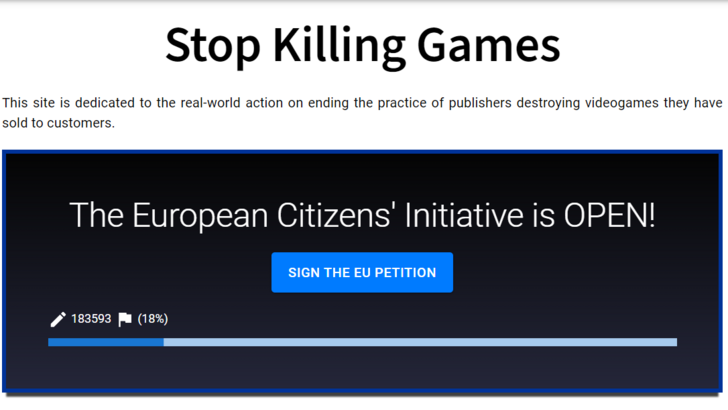
The European Commission has ruled out requiring video game publishers to keep games playable after they are discontinued, citing copyright law as a barrier. According to a statement released Tuesday, the EU will instead promote a voluntary code of conduct for managing “end of life” for games. This decision comes after the Stop Killing Games movement gathered over 1 million signatures in the EU, prompting a parliamentary hearing. The Commission argued that existing consumer rights laws, including intellectual property rules, prevent it from mandating preservation efforts.
Game preservation advocates argue that the decision undermines the cultural value of video games. “Copyright law is the reason why mandates like this should exist,” wrote a TechDirt contributor. “The current system breaks the copyright bargain by allowing games to vanish entirely after they’re sunsetted.”
What’s the Stakes for Game Preservation?
The Stop Killing Games movement has long pushed for legislation requiring publishers to either host games on fan-run servers or provide long-term access to offline play. The EU’s rejection of a mandatory framework raises concerns about the future of older titles. For example, games like Final Fantasy XIV and World of Warcraft rely on active servers, and their discontinuation could erase decades of player investment.

According to a 2023 report by the European Internet Providers Association, over 40% of games released in the 2010s are no longer playable due to server shutdowns. The EU’s voluntary approach faces skepticism from activists, who note that major publishers like Activision Blizzard and Electronic Arts have lobbied against preservation mandates.
How Does Copyright Law Block Preservation Efforts?
The EU Commission cited copyright protections as a key obstacle to mandatory game preservation. Under EU law, video games are protected for the author’s lifetime plus 70 years, but this does not extend to games requiring backend infrastructure. Once servers are shut down, access to these titles is effectively lost.
This contradiction has drawn criticism from legal experts. “The current framework treats digital games as if they’re physical books, but they’re fundamentally different,” said Dr. Lena Müller, a media law professor at the University of Amsterdam. “Games need ongoing technical support, yet the law doesn’t account for that.”
What’s Next for the Stop Killing Games Movement?
The movement has yet to issue a formal response to the EU’s decision, but sources familiar with the group suggest it will continue pushing for legislative action. “We’re not going to let this slide,” said a spokesperson for the campaign, who requested anonymity. “The EU’s approach is a step backward for cultural heritage.”
Activists are also exploring alternative strategies, such as partnering with libraries and museums to archive games. The Library of Congress in the U.S. has already begun digitizing rare games, though it faces similar legal hurdles.
Did You Know?
Over 300 video games were discontinued in 2023 alone, according to a Game Industry Research Institute report. Many of these titles had no official offline mode or fan-server alternatives.
How Can Players Advocate for Game Preservation?
Individuals can support the Stop Killing Games movement by signing petitions, contacting EU officials, or joining fan-run server projects. For example, the Fan Server Alliance has successfully revived titles like Star Wars: The Old Republic and EverQuest.
Pro tip: Follow TechDirt’s coverage for updates on legislative developments and community efforts.
FAQ
What is the Stop Killing Games Movement?
The Stop Killing Games movement advocates for legislation requiring publishers to keep games playable after they are discontinued. It has gathered over 1 million signatures in the EU and pushed for parliamentary hearings.
How Does Copyright Law Affect Game Preservation?
EU copyright law protects games for the author’s lifetime plus 70 years, but it does not account for the technical requirements of modern games. Once servers are shut down, access to these titles is lost, creating a gap in cultural preservation.
What Can Players Do to Support Game Preservation?
Players can sign petitions, join fan-run server projects, or contact lawmakers. Organizations like the Fan Server Alliance have successfully revived discontinued games through community efforts.
Related Articles: EU Parliament Hears Stop Killing Games, Stop Killing Games Petition Details
Share This Article: [Social Media Buttons]
Subscribe to Our Newsletter: Get the latest updates on game preservation and EU policy changes.