

Everyday Life Rehabilitation Boosts Quality of Life for Severe Mental Illness
Everyday Life Rehabilitation (ELR) can increase the quality of life for people with severe mental illness in specialized housing, according to a thesis from Umeå University. The intervention focuses on self-chosen daily activities, such as cooking or exercise, to combat social isolation and passivity among residents.
How does Everyday Life Rehabilitation improve mental health?
The ELR intervention encourages participants to engage in daily activities they find meaningful and choose for themselves. According to the Umeå University thesis, these activities may include going to the gym, cooking, taking walks, or singing in a choir.
André Sjöberg, a health economist and PhD student at the Institution for Epidemiology and Global Health, stated in a university press release that even small efforts can lead to clear improvements. He noted that the intervention fits well within existing operations.
For many residents, activity and self-determination are not guaranteed. Sjöberg noted that years of stigma, institutionalization, and illness often result in reduced self-confidence and passivity. The thesis found that those participating in the intervention experienced an increased quality of life.
Why is specialized housing often overlooked?
Specialized housing is one of society’s most resource-intensive services, requiring staff presence 24 hours a day. Despite this, André Sjöberg argues the sector remains relatively invisible to decision-makers and in public debate.
Sjöberg expressed concern that too little focus is placed on the long-term improvement of these facilities. He highlighted that many residents are young and some may spend large portions of their lives in these environments.
Under current obligations, municipalities must provide rehabilitative measures. Sjöberg believes more could and should be done to develop these services.
What could this mean for municipal investments?
The results suggest that ELR may be a sound investment for municipalities aiming to improve the health and quality of life for residents in specialized housing. Sjöberg noted that while health-economic methods designed for healthcare should be interpreted with caution in a municipal context, the trend is positive.
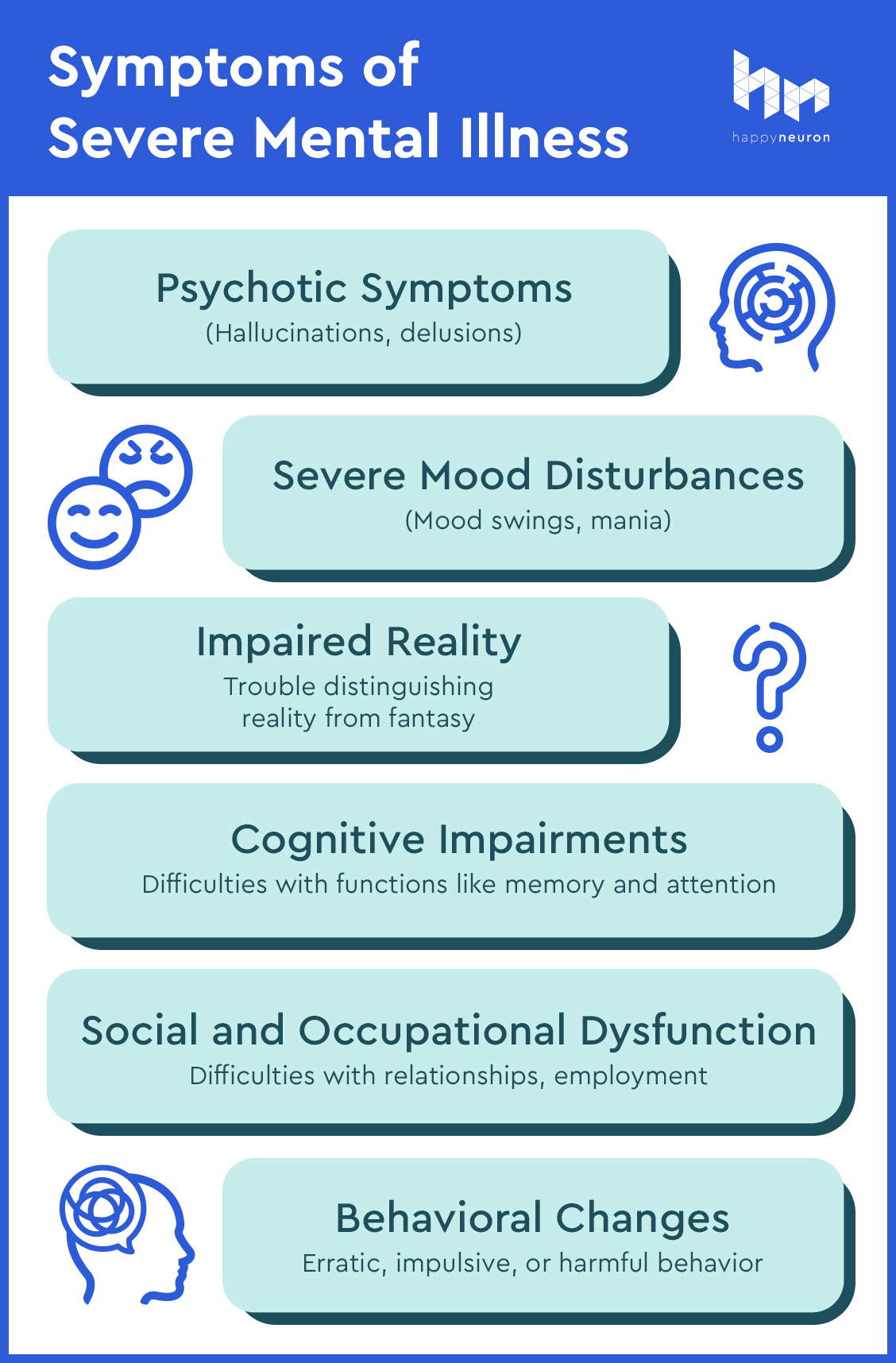
If adopted more widely, such interventions could lead to a shift in how specialized housing is managed. Municipalities might prioritize self-chosen activities to reduce the passivity associated with long-term institutionalization.
Frequently Asked Questions
What is Everyday Life Rehabilitation (ELR)?
ELR is an intervention where people with severe mental illness in specialized housing participate in daily activities of their own choosing, such as singing in a choir or going to the gym, to improve their well-being.
Why is passivity common among residents in specialized housing?
According to André Sjöberg, passivity and decreased self-confidence are often the result of years of illness, institutionalization, and stigma.
Who conducted this research?
The research was presented in a thesis titled “Disentangling Complex Interventions: Evaluating the impact and value of Everyday Life Rehabilitation (ELR)” at Umeå University, involving PhD student André Sjöberg.
How should municipalities balance 24-hour supervision with the need for resident autonomy?