
.jpg "EveryPlate Review: Delicious and Simple Budget Meal Kits")
EveryPlate Review: Delicious and Simple Budget Meal Kits
The Rise of “Radical Simplicity”: Why Budget Meal Kits are Winning
For years, the meal kit industry was locked in an arms race of complexity. We saw premium ingredients, exotic spices, and 45-minute prep times designed to turn home cooks into amateur chefs. But as inflation tightened household budgets, a counter-movement emerged. Services like EveryPlate have proven that consumers aren’t looking for a culinary school experience—they are looking for a reliable, affordable dinner that actually tastes good.
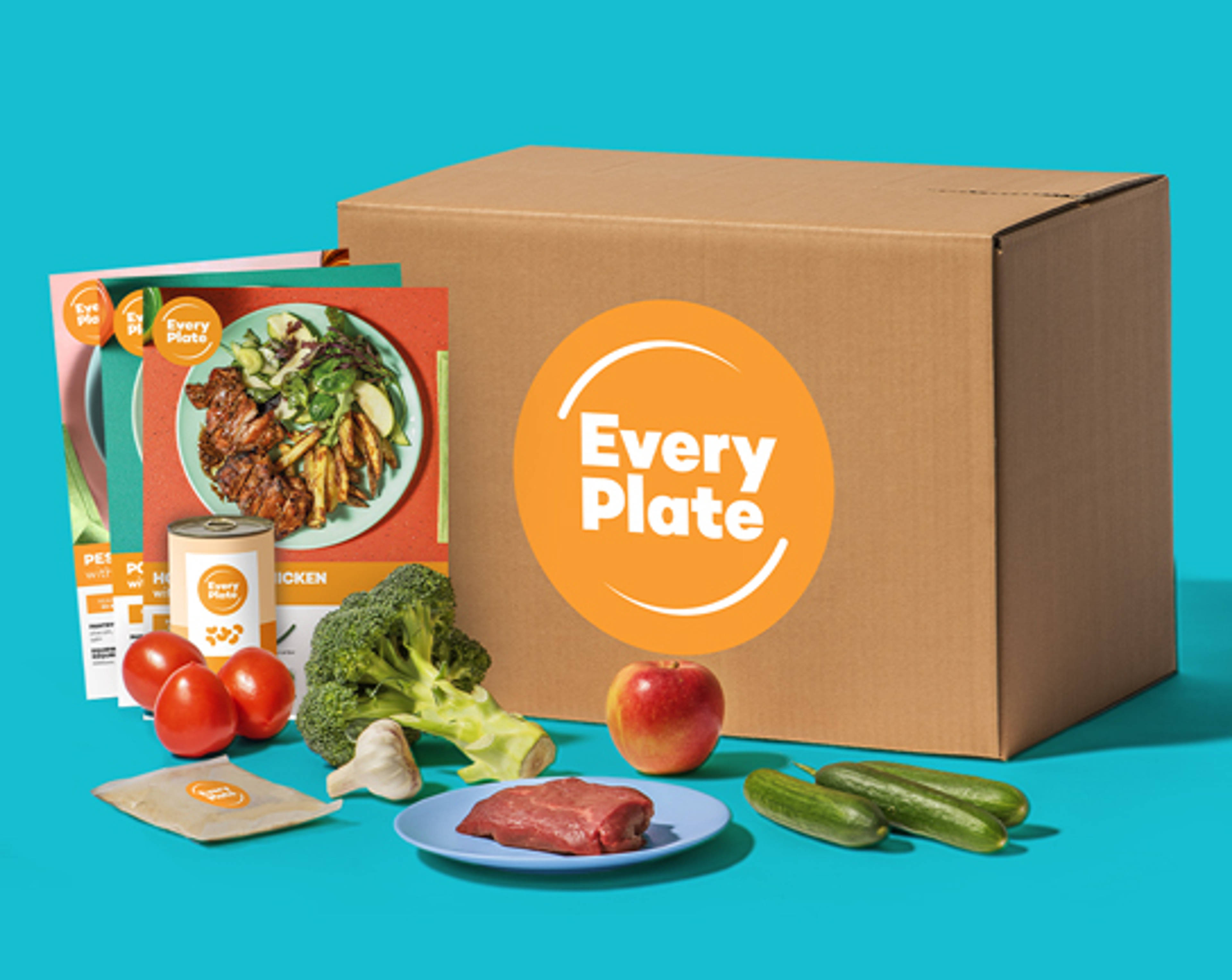
This shift toward “radical simplicity” isn’t just a cost-cutting measure; it’s a fundamental change in how we view the kitchen. When you strip away the unnecessary packaging and the complicated garnishes, you are left with the core of the experience: a hot, home-cooked meal.
The Future of Home Cooking: Less is More
The success of the “budget-first” model points toward three major trends that will shape the future of our kitchens. As supply chain costs remain volatile, these trends are likely to define the next decade of food tech.
1. The “De-Gourmetization” of Meal Kits
The future isn’t about adding more ingredients; it’s about optimizing the ones that matter. By narrowing the scope of recipes to “family favorites”—think tacos, pasta, and sheet-pan chicken—companies reduce food waste and lower logistics costs. This streamlined approach allows brands to pass significant savings onto the consumer without sacrificing the quality of the protein or produce.
2. Focus on “Component Cooking”
We are seeing a move away from rigid, step-by-step recipes toward “component cooking.” Instead of providing 15 individual sachets for a complex sauce, kits are moving toward pre-made, high-quality bases. This keeps the flavor profile consistent while cutting prep time in half, catering to the busy professional who wants to cook but lacks the bandwidth for a 10-step process.
3. Hyper-Localization of Ingredients
To maintain affordability, the next generation of meal kits will rely heavily on regional sourcing. By cutting out the middleman and sourcing proteins and grains closer to the distribution centre, companies can mitigate the rising costs of fuel and refrigerated storage. This is a win-win: fresher ingredients and a smaller carbon footprint.
Why Simplicity is a Virtue
When you reduce the number of ingredients, you allow the quality of those ingredients to shine. A perfectly seared piece of chicken doesn’t need an elaborate reduction sauce to be delicious. This philosophy of simplicity as a virtue is helping families regain their confidence in the kitchen. It removes the “intimidation factor” that often leads to meal prep burnout.
Frequently Asked Questions
- Are budget meal kits actually cheaper than grocery shopping?
- Often, yes. When you factor in the reduction of food waste—since you only receive exactly what you need—the cost per plate is highly competitive with traditional grocery store trips.
- Is the quality of food compromised in budget kits?
- Not necessarily. While you may get fewer “gourmet” extras, the core staples like meat, dairy, and seasonal vegetables are typically sourced from the same suppliers as premium kits.
- How do I choose the right meal kit for my budget?
- Look for services that offer a “family plan” or “budget-friendly” tier. These usually feature recipes with fewer total ingredients, which keeps the price point lower.
What has been your experience with budget meal kits? Do you prefer the simplicity of a quick, reliable dinner, or do you miss the complex, chef-driven recipes? Share your thoughts in the comments below or subscribe to our newsletter for more tips on navigating the modern grocery landscape.