

Ex-CIA Analyst: Iran Crisis Was Predicted Years Ago
The Intelligence Gap: Why Warnings Often Go Unheard
In the corridors of power, there is a recurring and dangerous phenomenon: the disconnect between intelligence analysis and political execution. As seen in the historical tensions between the U.S. And Iran, analysts often predict crises with startling accuracy, yet policymakers remain “surprised” when those crises manifest.
This isn’t usually a failure of data collection. Rather, it is a failure of synthesis. Intelligence is often filtered through the lens of a leader’s existing political narrative. When a prediction contradicts a desired policy outcome, it is frequently dismissed as “worst-case scenario” thinking rather than a roadmap for prevention.
To understand the future of these tensions, we must recognize that the “surprise” is rarely about a lack of information—it’s about a lack of appetite for the uncomfortable truths that intelligence provides.
The New Era of Shadow Wars: Iran’s Evolving Strategy
The traditional battlefield is dead. Moving forward, the conflict between global powers and regional actors like Iran will be defined by “gray zone” warfare—actions that fall below the threshold of open war but achieve strategic goals.
Asymmetric Leverage and Proxy Networks
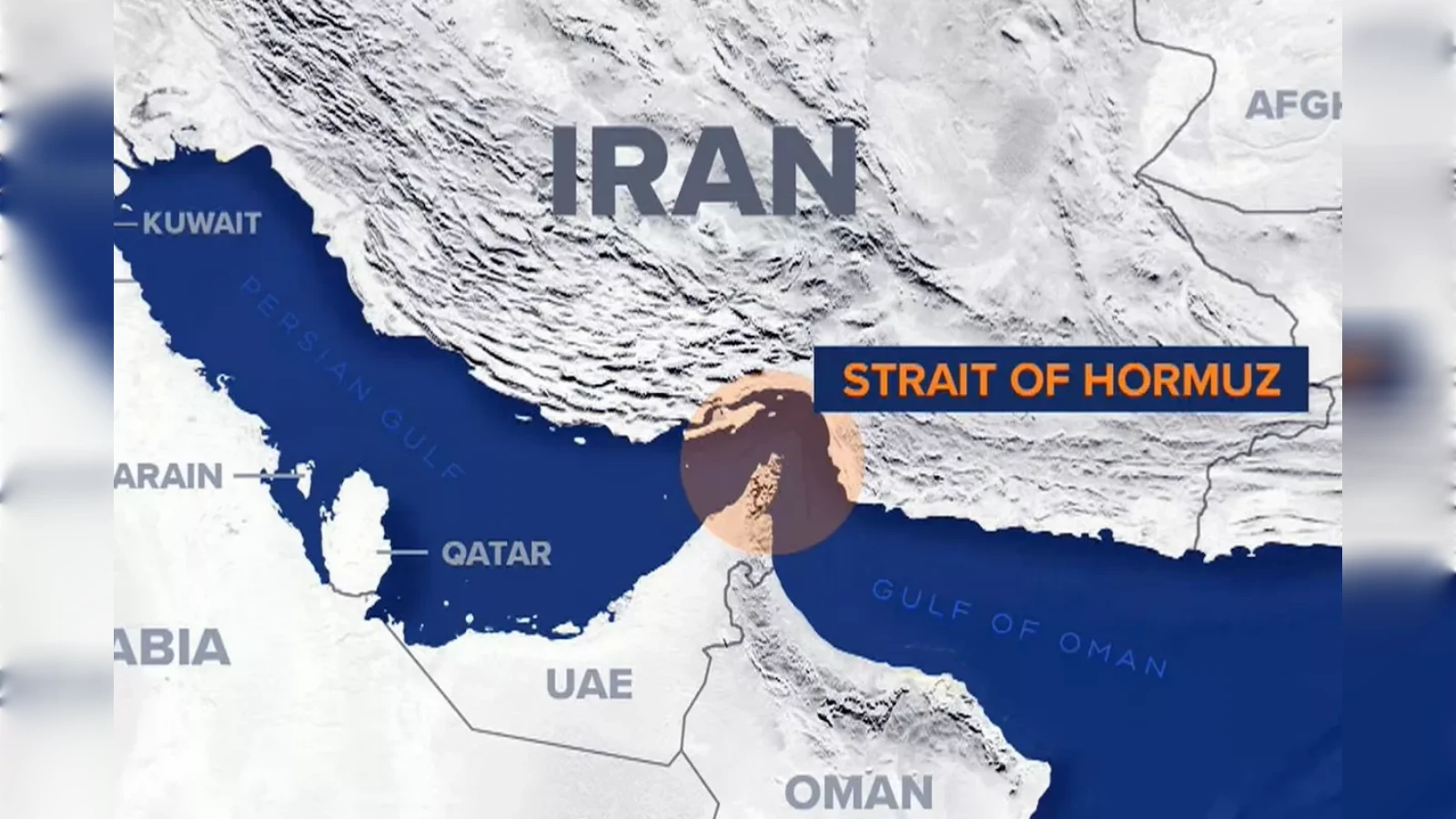
We are seeing a shift toward highly decentralized proxy networks. By utilizing non-state actors, regional powers can maintain plausible deniability while exerting influence over critical trade routes, such as the Strait of Hormuz. This allows them to apply pressure on the global economy without triggering a full-scale military response.
Data from recent years shows an increase in the sophistication of drone technology and cyber-capabilities. These tools allow smaller nations to project power far beyond their borders, effectively neutralizing the traditional advantage of larger, conventional militaries.
For a deeper dive into how these networks operate, explore our analysis on the evolution of asymmetric warfare.
Future Trends: AI, Cyber-Warfare, and the Next Crisis
The next decade will see intelligence gathering move from human-centric analysis to AI-driven predictive modelling. This promises to close the gap between prediction and action, but it introduces new risks.
The Algorithmic Arms Race
AI can process millions of data points—satellite imagery, social media sentiment, and financial flows—to predict instability before it happens. However, if both sides use the same AI tools, we enter a state of “hyper-reflexivity,” where one side’s predictive move triggers a counter-move from the other, potentially accelerating the path to conflict.
Cyber-Sabotage as the Primary Tool
We have already seen the impact of Stuxnet and subsequent cyber-attacks on nuclear infrastructure. Future trends suggest a move toward “stealth sabotage”—cyber-attacks that don’t destroy systems but subtly alter their performance, creating long-term instability and distrust within a state’s own infrastructure.
According to reports from high-authority sources like the Council on Foreign Relations, the intersection of cyber-capabilities and nuclear proliferation remains the highest-risk area for global security.
Breaking the Cycle: Can Diplomacy Outpace Escalation?
The cycle of “predict, ignore, react” can only be broken by integrating intelligence more deeply into the diplomatic process. Instead of using intelligence to justify a predetermined path, it must be used to create “off-ramps” for adversaries.

Strategic ambiguity—the practice of being intentionally unclear about one’s response to a provocation—has worked in the past. However, in an era of instant communication and AI surveillance, ambiguity is becoming harder to maintain. The future belongs to those who can balance firm deterrence with transparent diplomatic channels.
Frequently Asked Questions
Warnings often fail not because of poor intelligence, but because of “confirmation bias” in leadership, where only information that supports the current policy is prioritized.
Gray zone warfare refers to competitive interactions between state and non-state actors that remain below the threshold of conventional war, utilizing cyber-attacks, disinformation, and proxies.
AI allows for the analysis of massive datasets to identify patterns of instability faster than human analysts, though it risks creating a feedback loop of rapid escalation.
Stay Ahead of the Curve
Geopolitics moves fast. Don’t get blindsided by the next global shift. Subscribe to our expert newsletter for weekly deep dives into the forces shaping our world.