
Extreme Heat and Severe Storms Batter Europe: Injuries Reported in Germany and Belgium
Severe thunderstorms triggered by extreme heat have caused widespread damage across Western Europe, with injuries reported in Germany and significant infrastructure disruption in Belgium. According to the NOS, the heatwave, which saw temperatures exceeding 30°C, resulted in lightning strikes, downed trees, and emergency service alerts across multiple nations, while France braced for record-breaking heat with orange-level warnings in 60 departments.
How are neighboring countries responding to the heat-storm cycle?
The pattern of extreme heat followed by violent nocturnal storms has strained emergency response systems in Belgium and Germany. In Belgium, the VRT reports that the Vlaamse Ardennen fire department handled 140 emergency calls regarding downed trees and debris, while the Zuid-West-Vlaanderen region logged 170 incidents, including a house struck by lightning. One man sustained injuries from a dislodged roof tile, and a vehicle was crushed by a falling tree in Welden, though the driver escaped without fatal injuries.
The phenomenon of “heat-induced storms” occurs when intense surface heating creates strong updrafts, which, when met with a cooler air mass, trigger rapid condensation and violent electrical activity.
What happened during the handball tournament in Germany?
Nine people were injured in Rastatt, Baden-Württemberg, after lightning struck an outdoor handball event. According to local reports, the victims—eight adults and a 13-year-old child—were attempting to secure tents against high winds when the strike occurred. German weather authorities have issued further warnings for heavy hail and powerful wind gusts, noting that the combination of 30°C heat and atmospheric instability creates a high risk for public outdoor gatherings.
Why is France expecting record-breaking temperatures?
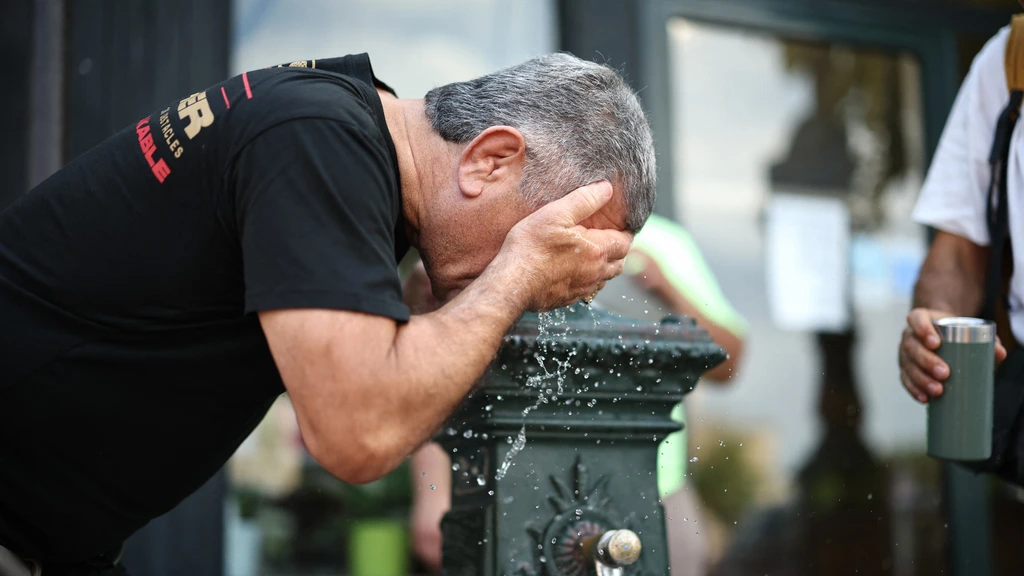
French meteorologists anticipate that the coming 48 hours could yield the highest temperatures ever recorded in parts of the country. With forecasts reaching 40°C, the government has placed 60 departments under “code orange” status. Public health advice for these regions includes staying indoors, maintaining hydration, and avoiding physical exertion. In Paris, the severity of the heat has prompted public outcry, with students at local schools protesting classroom temperatures that have reached 35°C.
Comparison: Regional Heat Impacts
| Country | Primary Impact | Source Report |
|---|---|---|
| Belgium | Infrastructure damage (trees, roofs) | VRT / NOS |
| Germany | Human injury (lightning strike) | Local Authorities |
| France | Public health/Heat records | French weather institutes |
Frequently Asked Questions
Why do heatwaves often end in severe thunderstorms?
High temperatures cause the ground to heat the air above it, which rises rapidly. When this hot, moist air meets a cold front, it creates unstable conditions that fuel intense, localized thunderstorms.
What should I do during a code orange weather alert?
Follow official guidance: limit time spent outdoors during peak sun hours (12:00–16:00), drink water even if not thirsty, and avoid strenuous exercise.
Are these temperatures becoming the new norm?
Meteorological data from the past decade shows an upward trend in the frequency and intensity of European heatwaves, consistent with broader climate models cited by national weather agencies.
Have you experienced extreme weather changes in your area this summer? Share your observations in the comments below or subscribe to our weather briefing newsletter for updates on regional climate trends.