

F1 2016 vs 2026: How has Formula 1 evolved over the last decade?
As 2026 unfolds, a curious trend emerges: a mirroring of the Formula 1 landscape from a decade prior, in 2016. While the sport appears more global and prominent than ever, closer inspection reveals striking parallels between the two eras.
F1 2016 Standings: A Familiar Grid
In 2016, McLaren faced challenges, finishing sixth with 76 points. By 2026, the team achieved a significantly improved position, securing one of the highest points tallies ever recorded with 833 points. Mercedes dominated the 2016 Constructors’ standings, holding a nearly 300-point lead over Red Bull, with Ferrari in third and teams like Force India and Williams demonstrating competitive performance.
World Champions, Then and Now
The 2016 season featured a lineup of active World Champions including Lewis Hamilton, Sebastian Vettel, Kimi Räikkönen, Fernando Alonso, and Jenson Button. Ten years later, Hamilton and Alonso continue to compete for championships, joined by Max Verstappen and Lando Norris as champions of a new generation.
An 11-Team Grid
Formula 1 last featured 11 teams in 2016 with the arrival of Haas. In 2026, Cadillac joins the championship, once again bringing the total number of teams to 11. Both Haas and Cadillac represent a renewed American presence in the sport, indicating a healthy and growing interest in Formula 1.
A Lone British Rookie
Jolyon Palmer was the sole British driver making his Formula 1 debut in 2016. Remarkably, the same scenario unfolded in 2026 with Arvid Lindblad as the only British debutant.
How Formula 1 Has Truly Changed Since 2016
Despite the recurring patterns, the most significant evolution in Formula 1 has occurred off the track. While the sport faced challenges in maintaining relevance in 2016, the debut of the Netflix series, Drive to Survive, dramatically altered the championship’s trajectory.
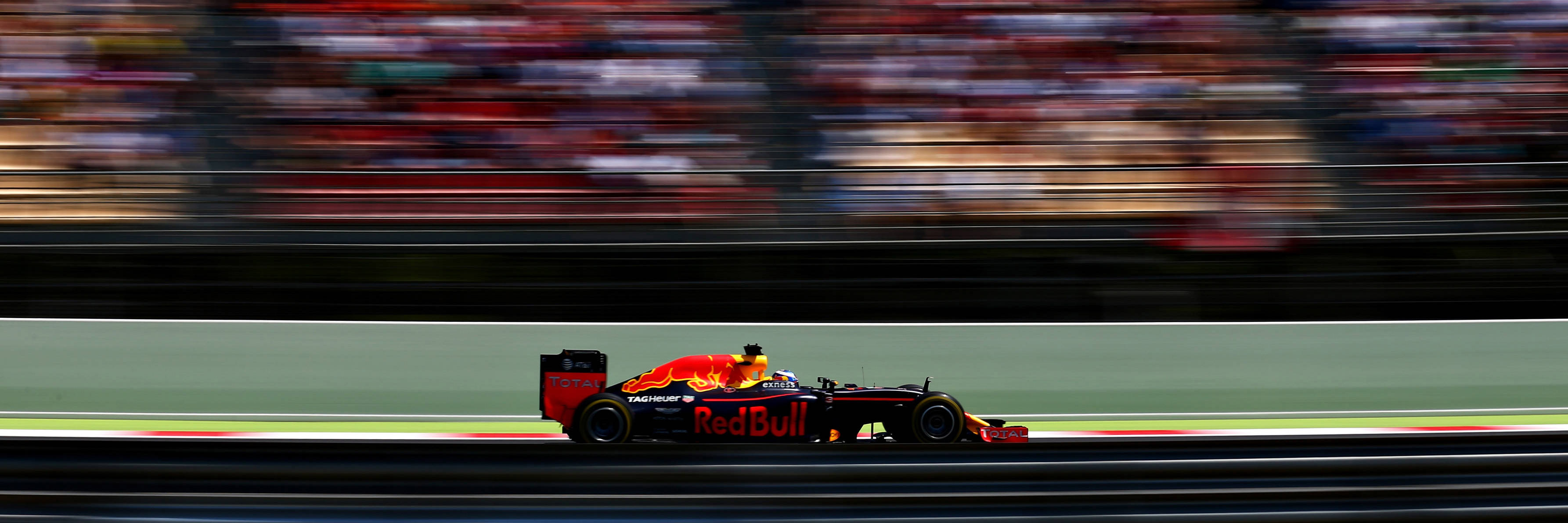
Drive to Survive transformed Formula 1 into a global entertainment phenomenon by humanizing drivers, revealing team dynamics, and amplifying the drama of even midfield battles. This surge in popularity has led to record crowds at circuits like Silverstone, attracting younger audiences and a new wave of fans.
Evolution with a Sense of Déjà Vu
Formula 1 in 2026 is more polished, popular, and powerful than it was in 2016. The growth in global interest, driven by Drive to Survive, has reshaped the sport’s identity and audience. Yet, the core elements remain: eleven teams, legendary champions, and emerging British talent. Perhaps Formula 1 hasn’t simply returned to its roots, but has successfully integrated its heritage into a modern era.
Frequently Asked Questions
What was McLaren’s position in the 2016 F1 standings?
McLaren finished sixth in the 2016 F1 standings with 76 points.
How many teams competed in Formula 1 in both 2016 and 2026?
Formula 1 featured 11 teams in both 2016 and 2026.
Which Netflix series is credited with transforming Formula 1’s global appeal?
The Netflix series Drive to Survive is credited with transforming Formula 1 into a global entertainment phenomenon.
As Formula 1 continues to evolve, will the sport maintain this balance between honoring its history and embracing its future?