

Fall Birthdays Linked to Higher Influenza Vaccine Uptake in Children
Children born in the fall are significantly more likely to receive influenza vaccinations and subsequently show lower rates of flu infection than children born in the summer, according to research published in JAMA Pediatrics. Researchers suggest this disparity arises because fall-born children often attend annual well-child checkups during the flu season, allowing them to receive immunizations without requiring additional medical appointments.
Did You Know? During the 2022-2023 influenza season, 50.8% of children with fall birthdays received a flu vaccine, compared to only 38.3% of children born during the summer months.
How Birth Timing Affects Vaccination Rates
Christopher M. Worsham, MD, MPH, a health services researcher at Harvard Medical School, and his colleagues identified a “random birthday phenomenon” to analyze vaccine efficacy. By comparing data from five influenza seasons between 2016 and 2023—excluding the pandemic years of 2020 through 2022—the team observed that well-child visits serve as a convenient point of care for vaccinations. Children with summer birthdays lack this natural alignment with the start of the flu season, often requiring parents to schedule separate visits to obtain the vaccine.
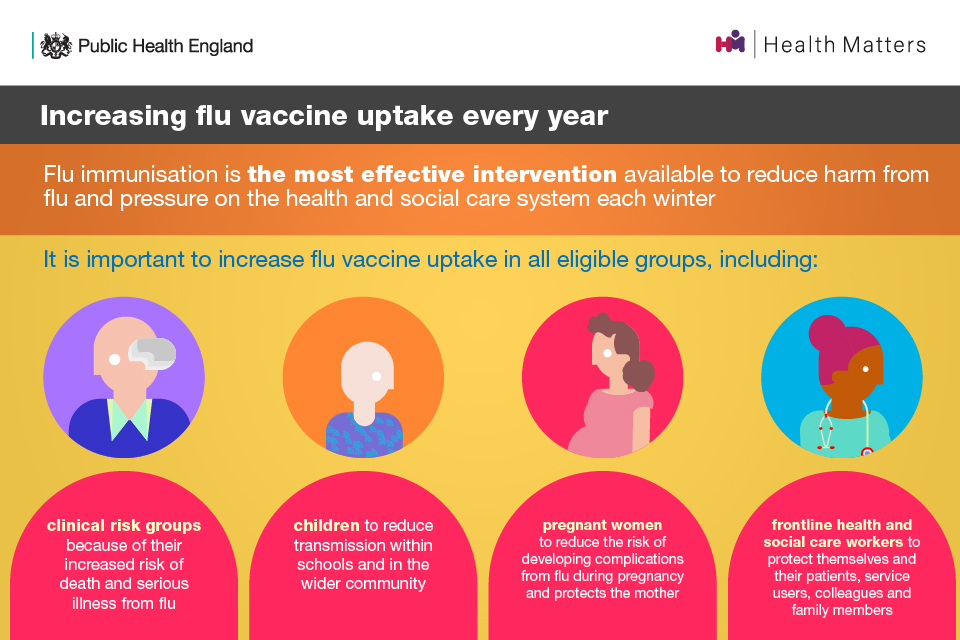
The study found that for every 100 children vaccinated, there were 9.3 to 14.3 fewer influenza cases per season. This incidence reduction suggests that streamlining the vaccination process by aligning it with existing healthcare interactions could lead to higher population-level protection for children aged 2 to 5 years.
Expert Insight: The Convenience Gap
Expert Insight: The findings highlight a critical friction point in pediatric healthcare: the administrative burden placed on parents. By utilizing the timing of well-child visits, the healthcare system effectively “brings the vaccine to the patient.” When vaccinations are decoupled from routine checkups, the logistical challenge of scheduling a standalone appointment may discourage coverage, ultimately increasing the risk of seasonal influenza in younger populations.
Future Implications for Vaccine Policy
The study arrives as federal recommendations for pediatric influenza vaccines remain a subject of debate. The government previously moved to downgrade the universal recommendation for flu shots to a “shared clinical decision-making” model, citing a perceived lack of randomized data on effectiveness. While a federal judge has temporarily blocked this change, and President Donald J. Trump signed an executive order in May to reinstate the revisions, the long-term impact on clinical practice remains uncertain.
If universal recommendations are ultimately replaced by shared decision-making, researchers expect that vaccine uptake could fluctuate further. Pediatricians may need to implement more proactive outreach, such as bringing vaccines into daycares or schools, to ensure that children born outside of the fall window maintain equitable access to immunization.
Frequently Asked Questions
Why do children with fall birthdays have higher vaccination rates?
According to the study, these children typically attend their well-child checkups during the fall, allowing them to receive their influenza vaccine during that visit without the need for a separate appointment.
How much does the influenza incidence differ between the two groups?
The research indicates that the number of influenza diagnoses per 100 children was 1 to 1.4 percentage points lower among children with fall birthdays compared to those with summer birthdays.
What is the primary goal of this research?
The study aimed to use the “random birthday phenomenon” to estimate vaccine efficacy while minimizing statistical bias, providing data to support the effectiveness of influenza vaccinations in young children.
How can healthcare providers better support vaccination access for children born at different times of the year?