

Family meals boost health, wellbeing and connection, experts say
Health and family experts are encouraging households to prioritize shared mealtimes to improve emotional wellbeing, foster stronger family bonds, and establish lifelong healthy eating habits. Research from the Australian Institute of Family Studies (AIFS) indicates that regular meals provide a consistent, distraction-free environment for conversation, helping children feel secure and supported.
The Social and Nutritional Benefits
Shared mealtimes offer more than just physical nourishment; they act as a cornerstone for family connection. According to the AIFS, these interactions allow children to feel heard, which contributes to improved emotional health. When families gather, they create a rare space to connect despite the competing demands of work, sports, and school activities.

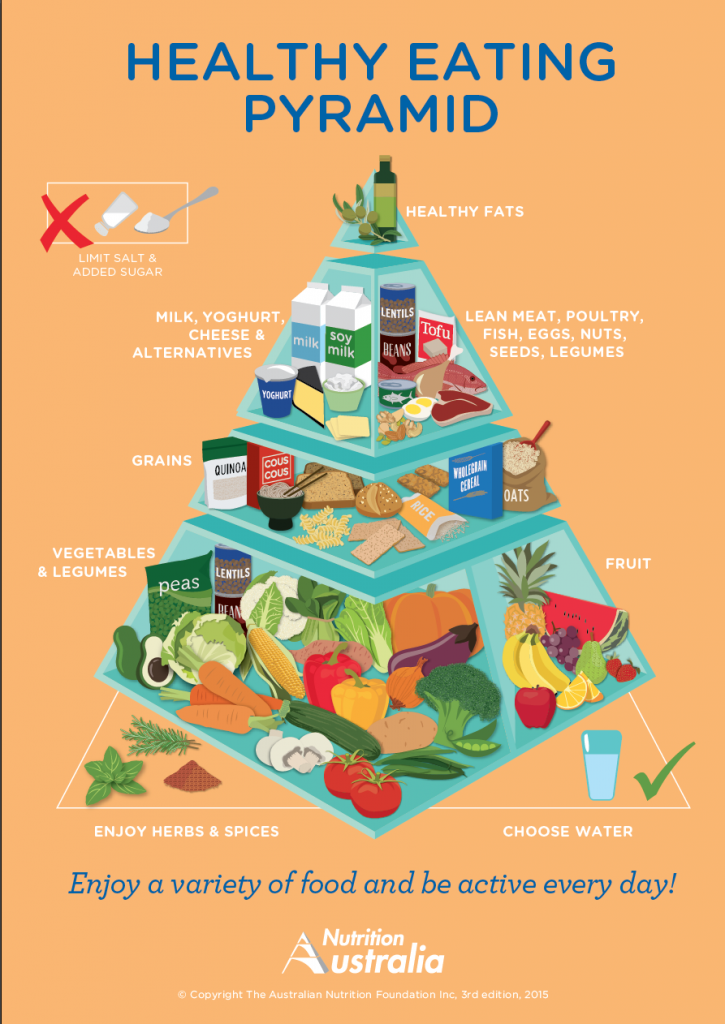
The nutritional impact is also significant. Nutrition Australia reports that children who eat with their families are more likely to consume nutrient-rich foods, including fruits and vegetables. By sitting together, parents can model healthy eating behaviors, which helps younger family members better recognize their own hunger and fullness cues.
Family meals do not require complex preparation to be effective. Whether it is a home-cooked dinner, a simple breakfast before school, or even takeaway eaten together at the table, the primary benefit comes from the shared time spent together.
Reducing Screen Time and Behavioral Risks
Designating mealtime as a device-free zone can mitigate the negative effects of digital distraction. The Australian Government’s eSafety Commissioner notes that excessive screen use can negatively impact sleep, concentration, and the quality of family interaction. By removing screens, families create an environment that encourages face-to-face conversation.
Mental health researchers have also identified a link between consistent family meals and positive developmental outcomes. Studies have found that children and adolescents who frequently share meals often report higher self-esteem and lower rates of anxiety and behavioral problems. For teenagers, these moments serve as a vital opportunity to feel connected and supported by their family unit.
The habit of sharing meals provides a structured, predictable anchor in a busy household. By prioritizing these periods, families may effectively reduce the daily friction caused by screen dependency. This creates a sustainable, low-cost intervention that supports both the nutritional intake and the psychological development of children as they transition into adolescence.
What May Happen Next
As households continue to manage heavy extracurricular schedules, the challenge of finding time to eat together is likely to persist. Families who successfully implement device-free mealtimes may see a gradual improvement in communication patterns and overall household stress levels. If these habits are maintained, it is possible that children will carry these positive associations with food and social connection into their adult lives, potentially reducing the prevalence of irregular eating habits.
Frequently Asked Questions
Why are shared mealtimes considered beneficial for children?
According to the AIFS, shared meals provide a regular opportunity for connection, helping children feel heard and secure, which supports their emotional wellbeing.
What role do parents play in these meals?
Parents can model healthy eating behaviors and introduce children to a wider variety of foods, helping them learn to recognize hunger and fullness cues.
Do family meals need to be home-cooked to be effective?
No, experts stress that meals do not need to be elaborate. Whether it is a simple breakfast, a home-cooked dinner, or takeaway, the key is the time spent together.
How do you plan to create more time for connection during your next meal?