
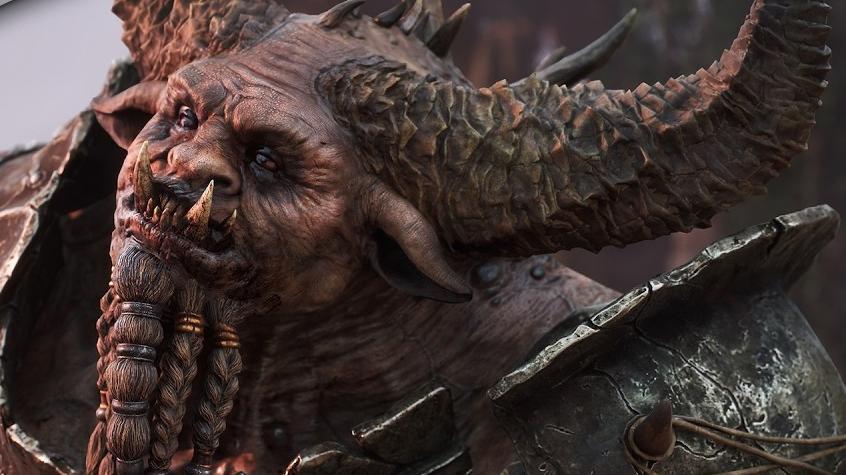
Fatekeeper: A Promising Budget Action RPG on Steam
The Rise of the ‘Bite-Sized’ RPG: Why Less is Sometimes More
For years, the RPG genre has been locked in an “arms race” of scale. We’ve been conditioned to expect maps the size of small countries and quest logs that feel like full-time jobs. However, a new trend is emerging in the indie scene: the Micro-RPG. Games like Fatekeeper are proving that a polished, two-hour experience can often leave a more lasting impression than a bloated 100-hour odyssey.
This shift mirrors a broader change in consumer behavior. With the average gamer balancing a career, family, and a mounting “backlog” of unplayed titles, the appetite for high-density, short-duration experiences is growing. We are seeing a move toward “vertical slices”—games that offer a concentrated dose of high-quality mechanics and atmosphere without the filler.
The Psychology of the “Impulse Buy” Price Point
Pricing is where the real strategy happens. Setting a game at the €8 to €10 mark isn’t just about affordability; it’s about removing the “barrier of hesitation.” When a game costs the price of a fancy coffee, the risk for the player is negligible, but the potential for viral growth is massive.
By lowering the entry cost, indie studios can build a community of early adopters who act as unpaid QA testers. This symbiotic relationship allows developers to refine “unpolished” elements—a common critique in early access titles—based on real-world data rather than guesswork. This model is becoming a blueprint for small studios looking to compete with AAA giants.
The ‘Dark Messiah’ Effect: The Return of Visceral Combat
There is a growing nostalgia for the “Immersive Sim” and first-person action hybrids. For a long time, first-person games were synonymous with shooters. But the influence of classics like Dark Messiah of Might & Magic is resurfacing. Players are craving combat that feels physical, where the environment is a weapon and positioning matters more than a “stat check.”
Modern players are tired of “floaty” combat. The trend is moving toward physics-based interactions and complex skill trees that actually change how the game is played, rather than just adding +5% to a damage variable. When an indie title nails the “feel” of a sword swing or the impact of a spell, it can overshadow a lack of content.
For more on how combat mechanics evolve, check out our guide on the evolution of indie combat systems.
The Future of Early Access: From Beta to Business Model
Early Access is no longer just a way to get funding; it’s a marketing tool. The trend is shifting toward “Iterative Releases,” where games are launched in tiny, functional chunks. This keeps the community engaged with constant updates and prevents the “development hell” that often plagues ambitious RPGs.
We are likely to see more “Modular RPGs”—games that start as a single dungeon or a small village and organically grow based on player feedback. This reduces the risk of creating content that players find boring and ensures that every hour of gameplay is optimized for engagement.
According to data from Steam, titles with consistent, transparent update logs maintain higher player retention rates than those that disappear for months during a “silent” polish phase.
Frequently Asked Questions
Is a short playtime a dealbreaker for RPGs?
Not necessarily. Many players now prefer “concentrated” experiences that respect their time over sprawling worlds filled with repetitive fetch quests.
Why are so many indie RPGs launching in Early Access?
It allows developers to secure funding, gather critical user feedback, and build a community before the official 1.0 launch, reducing the risk of a commercial flop.
What makes a first-person RPG “immersive”?
Immersion usually comes from a combination of physics-based combat, environmental storytelling, and a world that reacts logically to the player’s actions.
What’s your take on “Bite-Sized” gaming?
Do you prefer a polished 2-hour experience or a massive, unpolished open world? Let us know in the comments below, or share this article with your favorite gaming group!