
FBI fires analysts who worked on “Richmond memo” about Catholic extremist ideology, sources say
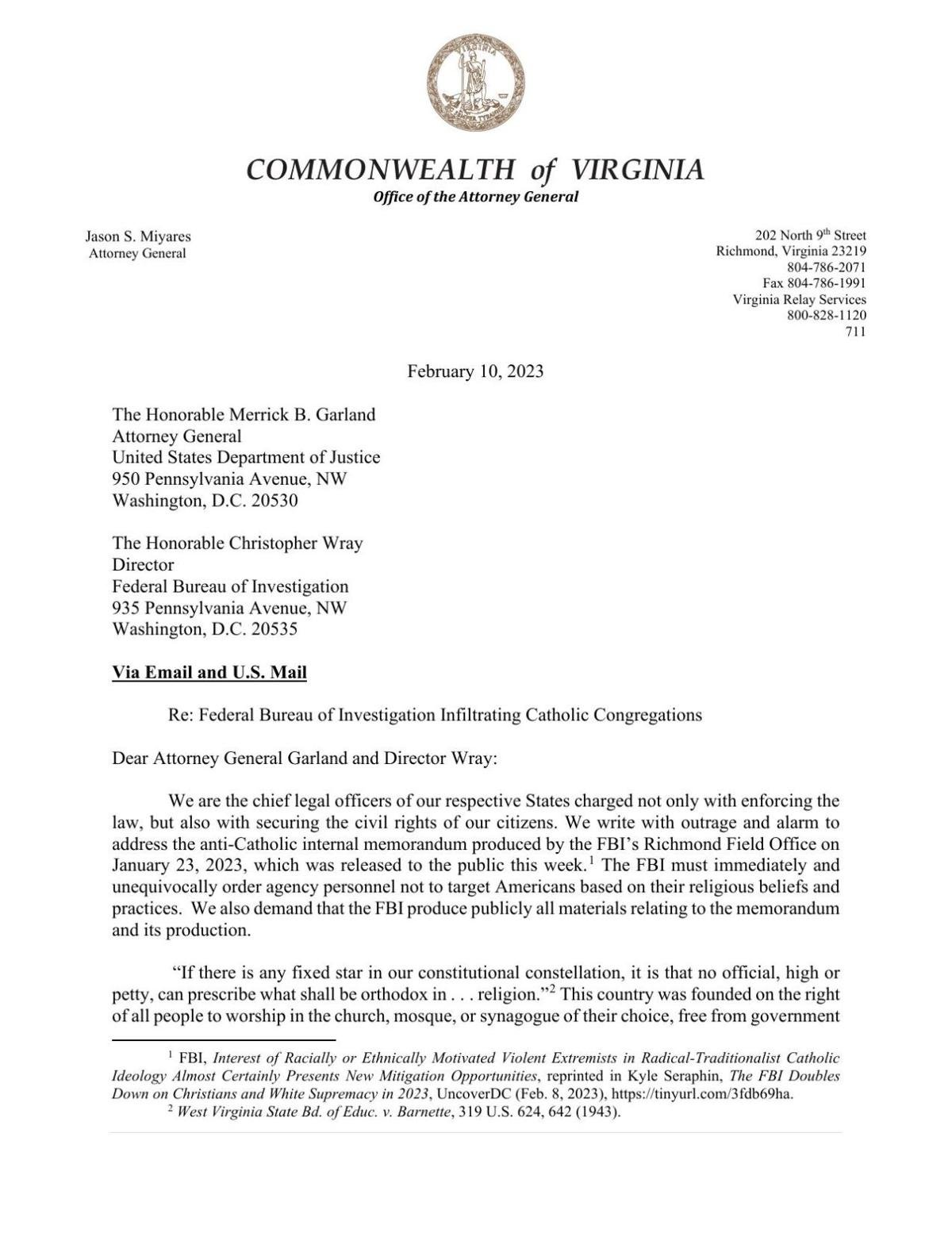
The FBI has fired at least five analysts involved in a withdrawn 2023 internal intelligence memo concerning “Radical Traditionalist Catholic” ideology. According to reports from CBS News, the “Richmond Memo” explored potential links between radical Catholic views and ethnically motivated violent extremists before it was pulled under former FBI Director Chris Wray.
Why were the FBI analysts fired?
The firings follow an internal investigation into the “Richmond Memo,” which was produced by the FBI’s Richmond field office. While the review found no evidence of malicious intent by the authors, it determined the analysts failed to adhere to proper standards and made errors in professional judgment.
In response to these failures, the FBI implemented corrective actions to strengthen the approval processes for intelligence products. The analysts involved were admonished before their eventual termination.
How does this reflect broader political tensions?
Allies of President Trump have highlighted the memo as evidence of bias against Christians with conservative values. This perspective was echoed in a report from the Task Force to Eradicate Anti-Christian Bias, created via executive order.
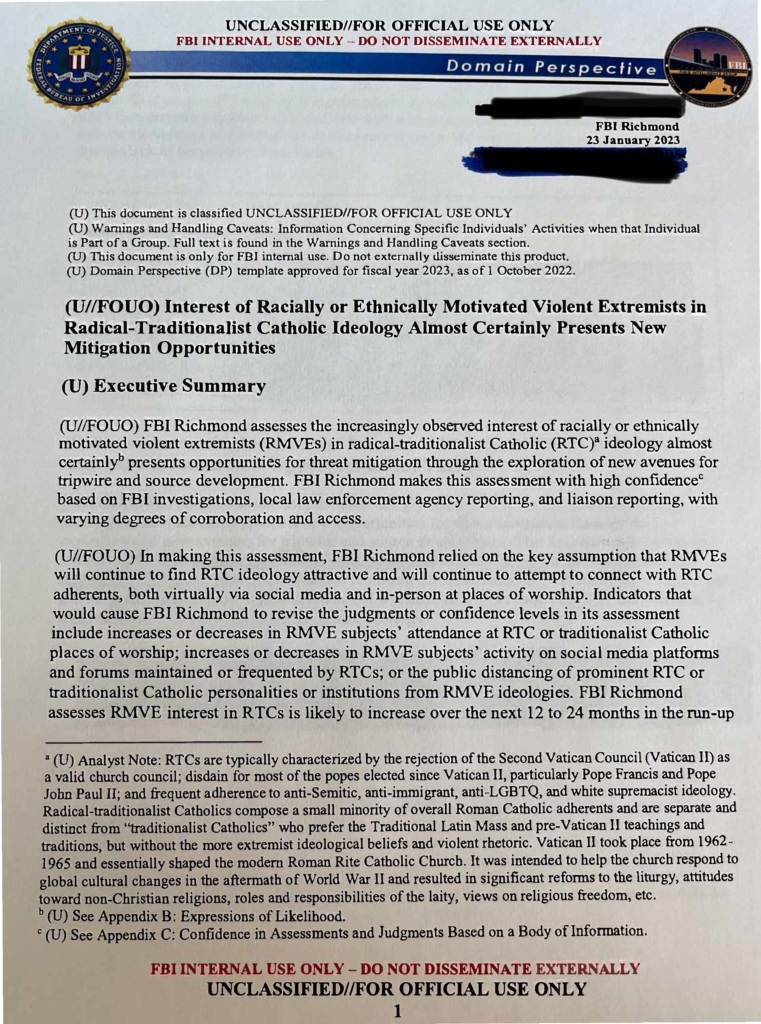
The Task Force report claims the FBI monitored and scrutinized traditional Catholics who committed no criminal misconduct. It also alleged the Richmond office relied too heavily on the Southern Poverty Law Center (SPLC) for its analysis.
The SPLC is currently facing separate criminal charges from the Justice Department. These allegations suggest the nonprofit lied to banks and donors while paying informants to infiltrate hate groups, though the SPLC denies these claims and calls the prosecution vindictive.
Is this part of a larger trend of FBI removals?
These firings are the latest in a series of removals of bureau employees involved in matters opposed by the Trump administration. This includes the termination of everyone involved in the criminal prosecutions of Mr. Trump regarding his retention of classified records and efforts to overturn the 2020 election.
Additionally, the Justice Department fired several prosecutors earlier this year who worked on FACE Act cases. Those cases involved defendants accused of blocking access to reproductive health clinics.
What could happen next for the agency?
The Justice Connection, a network of DOJ alumni, suggests these firings may “escalate the already dangerous culture of fear” within the FBI. Executive director Stacey Young stated that analysts might pull back from investigating areas they perceive as politically divisive.

Such a shift could potentially lead to blind spots in the FBI’s threat picture. This may result in policymakers receiving underinformed intelligence if analysts fear that their findings will be characterized as “partisan spite.”
Frequently Asked Questions
What was the purpose of the Richmond Memo?
The memo, created by the FBI’s Richmond field office, explored links between radical Catholic views and ethnically motivated violent extremists.
Did the internal investigation find that the analysts acted with malice?
No. The internal investigation determined there was no evidence of malicious intent, though it did find errors in professional judgment and a failure to follow proper standards.
What was the reaction from the Justice Connection?
The organization called the firings “partisan spite” and warned that they could cause analysts to avoid politically sensitive areas, leading to intelligence blind spots.
Do you believe internal intelligence standards should be adjusted to account for political sensitivity, or should analysts remain strictly focused on perceived threats?