

FBI Warns Chinese Spies Are Using LinkedIn and Job Boards for Recruitment Scams
Chinese intelligence operatives are actively using professional networking sites like LinkedIn to recruit individuals with access to sensitive U.S. government and defense information, according to an FBI report titled “Safeguarding Our Secrets.” Agents pose as recruiters to solicit compensated writing assignments, eventually moving targets to encrypted platforms to harvest intelligence on military operations and national policy.
How Foreign Intelligence Operatives Target Jobseekers
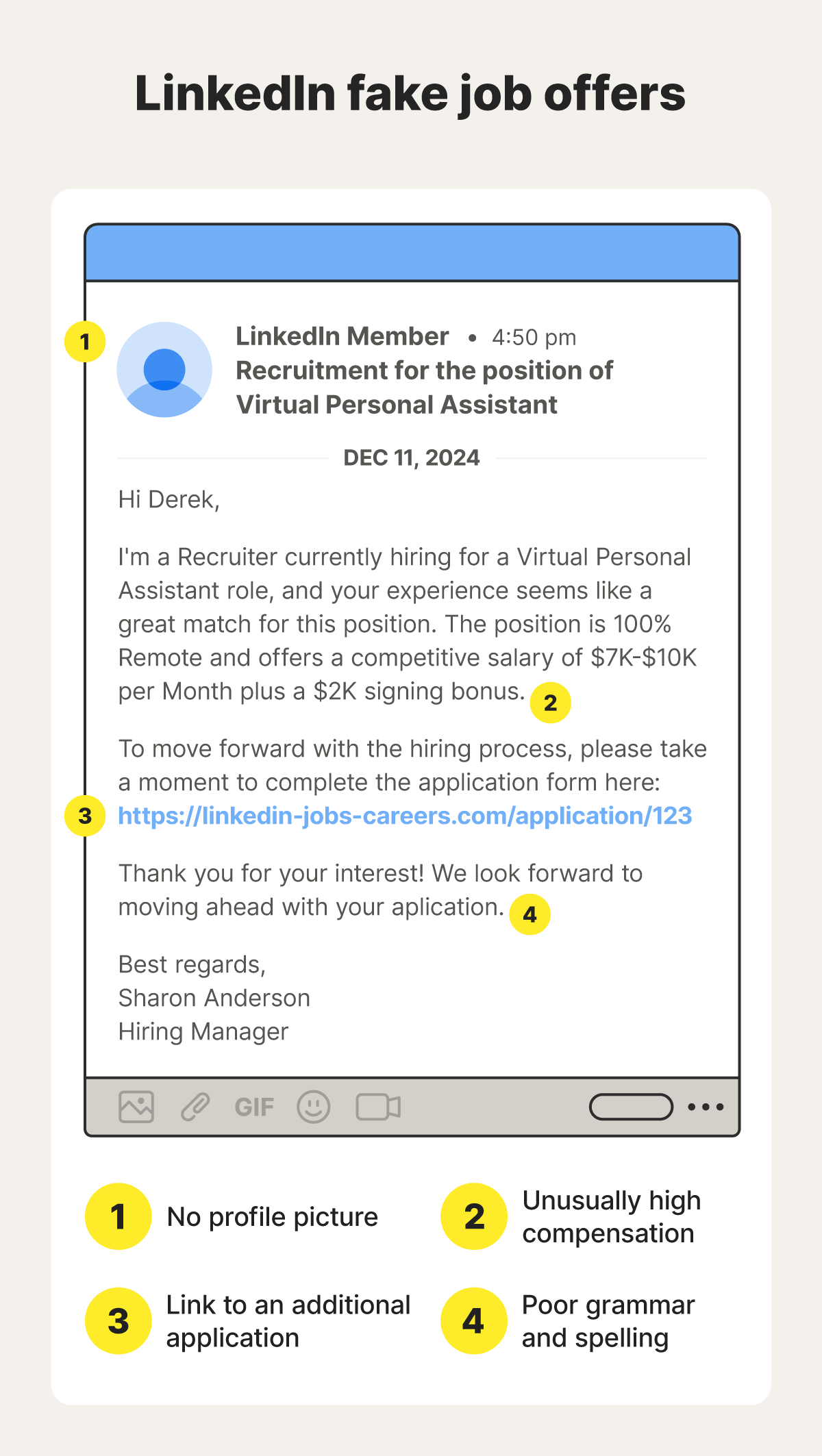
The recruitment process often begins with a standard-looking job advertisement on platforms such as LinkedIn, Upwork, or Wellfound. According to the FBI, operatives pose as consultants or corporate recruiters to build rapport with candidates who have backgrounds in defense, security, or government policymaking. The primary goal is not always classified data; even non-classified information is aggregated to build a broader understanding of U.S. military capabilities and operational procedures.

What Are the Risks for Former Government Employees?
Targeting is not limited to active-duty personnel or current government contractors. The FBI warns that individuals who previously held security clearances or worked in sensitive policymaking roles remain high-value targets. Even after leaving government service, these individuals often retain institutional knowledge that foreign intelligence agencies seek to exploit. The risk persists regardless of a person’s current employment status, as long as they possess historical knowledge of sensitive installations or national security strategies.
Recent Enforcement Actions Against Phony Firms
On June 10, 2026, the FBI and the U.S. Department of Justice executed a joint operation that resulted in the shutdown of 13 websites masquerading as legitimate consulting firms. These sites were established in November 2023 specifically to lure jobseekers into providing proprietary information. While this operation disrupted a significant network, authorities have not confirmed whether all similar efforts have been neutralized or if other fronts remain active.
How to Protect Your Professional Identity
The National Cybersecurity Alliance advises extreme caution when interacting with unknown recruiters. If a company’s web presence appears incomplete, uses generic stock photography, or lacks a verifiable history, users should disengage immediately. Never share personal, financial, or project-related information before a formal, verified hiring process is complete. Furthermore, always prioritize the security protocols established by your former or current government agencies regarding the handling of sensitive knowledge.
Frequently Asked Questions
- Can I be targeted if I don’t work in the military? Yes. Foreign intelligence also targets employees in trade, foreign affairs, and critical infrastructure sectors.
- What should I do if I suspect a recruiter is fake? Cease all communication and report the profile to the platform’s security team. If you feel you have already shared sensitive information, contact your local FBI field office.
- Is it safe to share writing samples? Only share samples that are publicly available or explicitly cleared for release. Never produce new analysis on sensitive topics for a “recruiter” you have never met in person.
Have you encountered suspicious recruitment activity on social media? Share your experiences in the comments below to help others stay vigilant, or subscribe to our newsletter for the latest updates on digital security and workplace safety.