
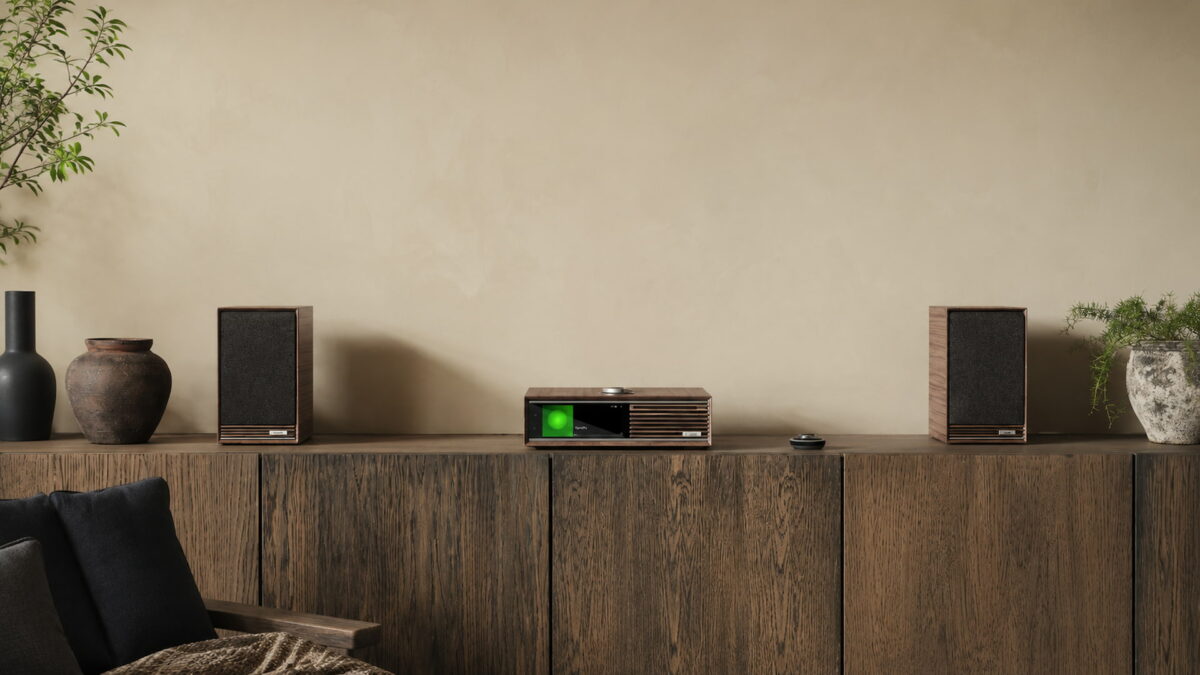
The Rise of All-in-One Hi-Fi: High-End Audio Simplified
The high-fidelity (Hi-Fi) audio market is shifting toward “all-in-one” systems to eliminate the need for complex equipment towers, according to industry analysis. The Ruark R710 exemplifies this trend by combining a CD player, 200W per channel Class D amplification, and HDMI eARC connectivity in one chassis.
Traditional home audio setups often required separate amplifiers, DACs, streamers, and CD players connected by extensive cabling. New integrated systems aim to provide high-end sound by requiring only a single powered unit and a pair of speakers.
What are the features of the Ruark R710?
The Ruark R710 is a British-made Hi-Fi console designed as a premium piece of furniture. It features integrated Class D amplification delivering 200W per channel and supports Hi-Res music.
Connectivity options include Spotify Connect, TIDAL Connect, Qobuz Connect, AirPlay, Google Cast, internet radio, and Bluetooth HD. The device also includes an HDMI ARC/eARC port, allowing it to serve as a central hub for television audio, movies, and series without a separate soundbar.
Why is the Hi-Fi industry moving toward all-in-one units?
Consumers are increasingly seeking high-quality sound without the technical complexity of “engineering” a system. All-in-one units consolidate amplification, DACs, streaming capabilities, and phono preamps for turntables into one box.
The return of the CD is a significant part of this shift. According to the analysis, CDs offer a practical alternative to streaming because they do not rely on app catalogs, subscription plans, or advertisements.
Which other brands are adopting integrated designs?
The trend extends beyond Ruark. Cambridge Audio has released the Evo 300, a powerful streaming amplifier designed for simple setup with two speakers.
Onkyo has also introduced compact, modern proposals. These designs move away from traditional Hi-Fi setups that previously required dedicated listening rooms.
What are the risks of integrated audio systems?
The primary disadvantage is the lack of modularity. In a system of separate components, users can replace individual parts as technology evolves.
Integrated units rely heavily on the manufacturer’s software. If an app becomes obsolete or a brand stops providing updates, the functionality of the entire system could be limited.
What may happen next for home audio?
The market could see a continued decline in the popularity of modular “component” towers as more users prioritize aesthetic cleanliness and ease of use.
Future product releases may likely focus on further blending furniture design with high-performance electronics. This approach could make high-end audio more accessible to people who avoid the complexity of traditional cable-heavy setups.
Frequently Asked Questions
What is the Ruark R710?
It is a British all-in-one Hi-Fi console that includes a CD player, Class D amplification (200W per channel), and various streaming and TV connectivity options.
What connectivity does the Ruark R710 support?
It supports Spotify Connect, TIDAL Connect, Qobuz Connect, AirPlay, Google Cast, internet radio, Bluetooth HD, and HDMI ARC/eARC.
What are the pros and cons of all-in-one Hi-Fi systems?
The benefits include convenience, cleaner design, and simplicity. The main drawback is reduced flexibility, as users cannot upgrade individual components separately.
Do you prefer the simplicity of an all-in-one system or the flexibility of separate audio components?