
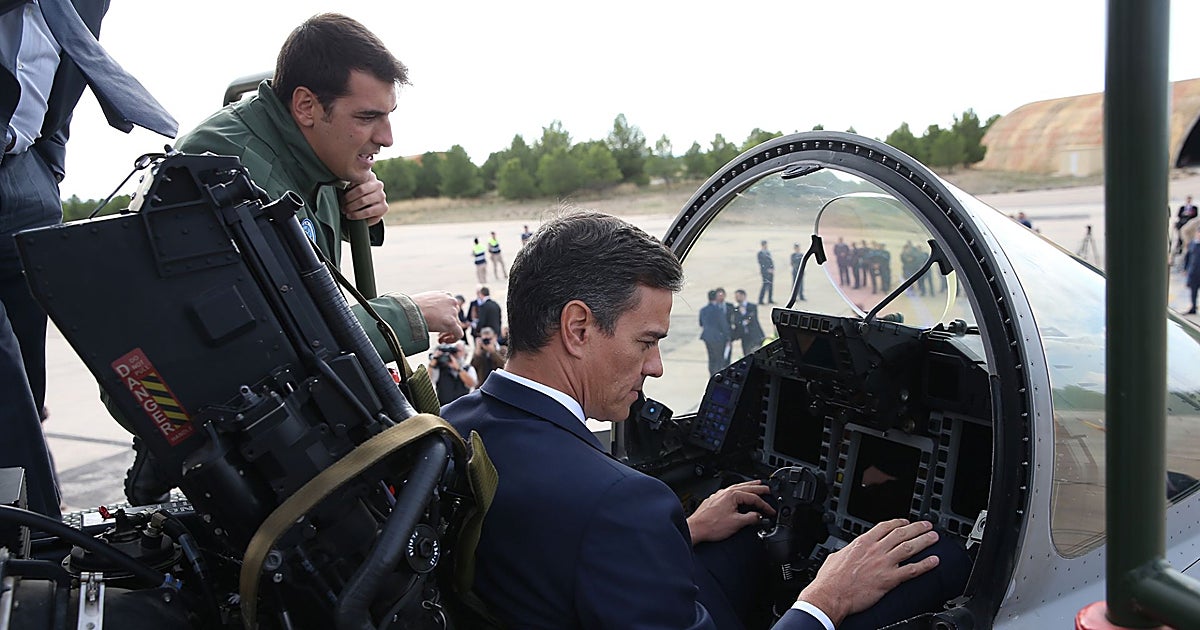
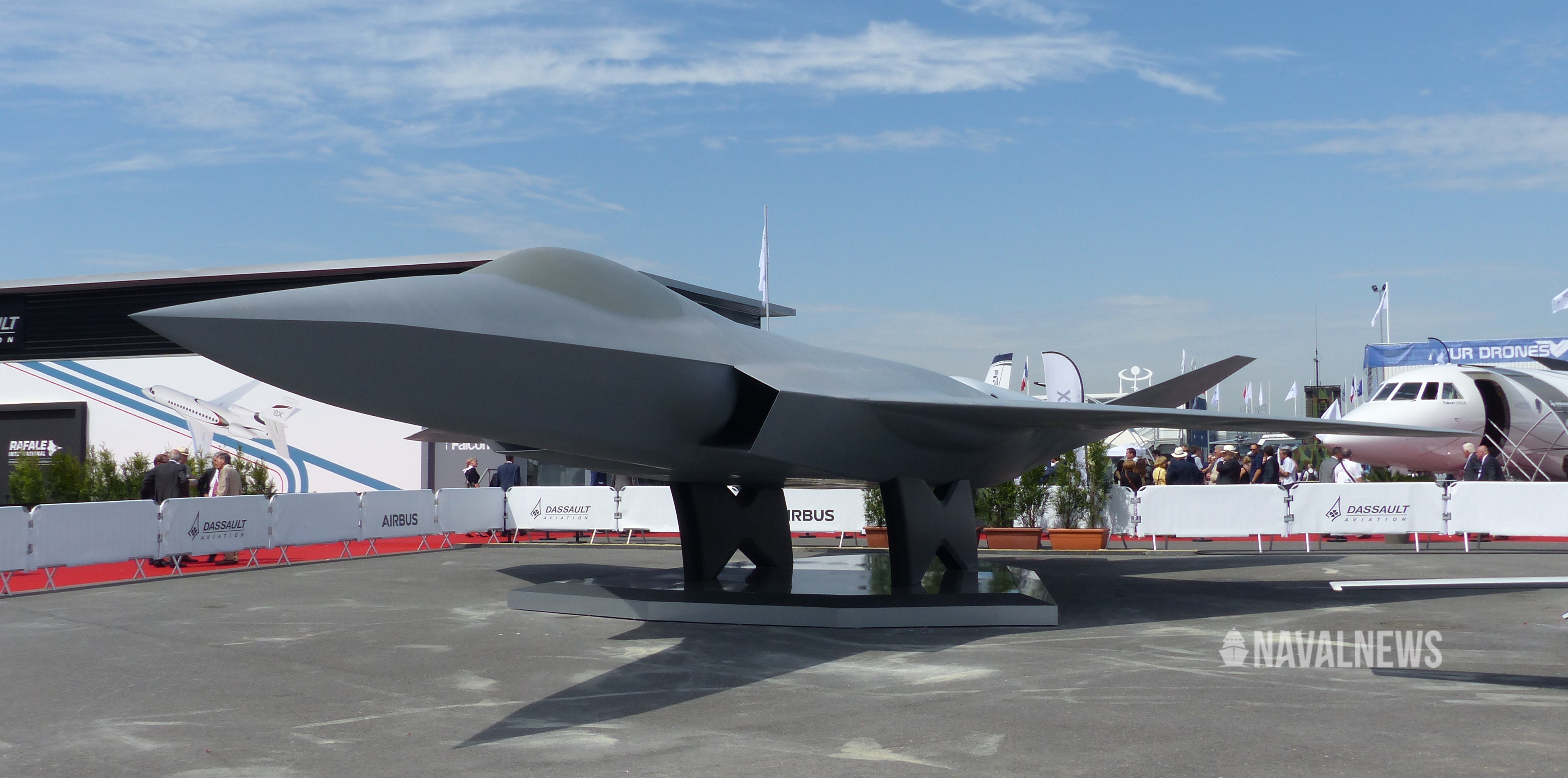
FCAS Failure: A Major Blow to Spain’s Defense Strategy
The FCAS (Future Combat Air System) program has formally collapsed after France and Germany failed to agree on the aircraft’s design and industrial workload. According to Spanish reports, this leaves Spain without a clear path for its next-generation fighter and forces the Spanish Navy to rely on salvaged parts to keep its Harrier fleet operational until 2032.
The project, launched in December 2022, aimed to create a sixth-generation fighter to ensure European strategic autonomy. France, Germany, and Spain each committed to a 33% share of the costs and industrial workload. However, the alliance dissolved after nearly a year of paralysis. French President Emmanuel Macron and German Chancellor Friedrich Merz announced the project’s end without Spanish participation, according to reports from the Spanish defense sector.
Why did the FCAS program fail?
Industrial friction between Dassault Aviation (France) and Airbus Defence (Germany) drove the collapse. The partners couldn’t agree on the aircraft’s final design, its specific capabilities, or how to distribute the lucrative workload among the three nations. These tensions existed long before the official launch, but the inability to find a compromise eventually halted progress.
Spain’s role in the project was largely passive. While the government attempted to mediate between Paris and Berlin, Spanish Defense Minister Margarita Robles stated that industrial interests were prioritized over European security and defense. Robles noted that “something fails” when it comes to the execution of essential large-scale integration programs.
Did you know? The FCAS wasn’t just about a plane. It was designed as a “system of systems,” including unmanned combat aerial vehicles (UCAVs) and a cloud-based combat network to dominate future airspace.
What happens to the Spanish Navy’s air capability?
The collapse of FCAS leaves the Spanish Navy in a precarious position. The government previously rejected the purchase of the Lockheed Martin F-35 to prioritize European industry. This decision blocked the only current alternative for vertical takeoff and landing (VTOL) capabilities on the aircraft carrier Juan Carlos I.
To prevent a total loss of carrier-based aviation, Spain is buying five retired Harrier aircraft from the United States. These planes won’t be flown; they’ll be stripped for spare parts to extend the life of the existing Spanish Harrier fleet until 2032. Long-term, the Navy is considering the acquisition of a conventional aircraft carrier to operate standard next-generation fighters.
Spain’s approach contrasts sharply with other European allies. Currently, 13 European nations operate or are acquiring the F-35, including the UK, Italy, Norway, the Netherlands, and Germany. These countries prioritized immediate operational capability over the promise of a homegrown European alternative.
How will the Spanish Air Force replace its F-18s?
The Spanish Air and Space Force is facing a looming hardware crisis as its F-18 fleet reaches the end of its service life. While the original retirement date was 2030, it’s been pushed to 2035, with some military sources suggesting 2040.
The current plan is to replace the F-18s with Eurofighters acquired through the Halcón II program. However, this strategy creates a strategic vulnerability. It would leave the Spanish Air Force with only one fighter model in service, a scenario military officials view unfavorably due to the lack of fleet diversity.
Industry Insight: Fleet homogenization—relying on a single aircraft type—increases efficiency in maintenance but creates a “single point of failure.” If a systemic flaw is discovered in one aircraft, the entire national air defense can be grounded simultaneously.
Who is affected by the industrial fallout?
The failure is a significant blow to Spain’s defense industry. A consortium including Indra, Airbus, GMV, Oesía, Sener, and ITP Aero was positioned as the industrial engine for the project. In a joint statement, these companies claimed they remain ready to develop a new generation combat system.
The loss of time is the most critical factor. Experts warn that the years spent on the failed FCAS project have left Spain lagging behind in sixth-generation technology. The country must now enter a new round of alliance negotiations while its current fleet continues to age.
Frequently Asked Questions
What was the FCAS?
The Future Combat Air System was a joint venture between France, Germany, and Spain to build a 6th-generation fighter jet and integrated combat system.

Why didn’t Spain buy the F-35?
The government of Pedro Sánchez rejected the F-35 to prioritize investment in the European defense industry and support the goal of EU strategic autonomy.
When will the Spanish Harriers be retired?
The Navy expects to extend the life of its Harrier fleet until 2032 by using parts from five US-purchased aircraft.
Join the Discussion
Should Spain have prioritized the F-35 over European strategic autonomy? Let us know your thoughts in the comments below or subscribe to our newsletter for more deep dives into global defense trends.