

Neglected Cancers: The Fight for Health Insurance Coverage of Life-Saving Drugs
Urothelial cancer patients in South Korea are facing severe financial hardship due to the lack of health insurance coverage for a new ADC combination therapy, according to a June 20, 2026, report. While this treatment may nearly double survival rate extensions compared to existing options, the high cost leaves many patients, particularly those in their 60s and 70s, unable to afford care.
What is urothelial cancer and who does it affect?
Urothelial cancer occurs in the innermost mucosa of the urinary tract, the pathway where urine is produced and transported. According to the report, approximately 90% of cases commonly known as bladder cancer are urothelial cancer.
Patient numbers in South Korea have risen steadily. The count grew from fewer than 4,000 patients in 2013 to more than 5,500 by 2023. The disease is most frequently diagnosed in individuals aged 60 to 70.
The cancer can spread to the lymph nodes, lungs, liver, and bones. It may also invade surrounding areas, including the pelvic bones and the rectum.
How does ADC therapy improve survival rates?
South Korea became the third country in the world to approve a combination therapy using existing immunotherapy and a new drug known as ADC. Research indicates that ADC drugs can extend survival rates by nearly double compared to previous treatments.
Despite the clinical benefits, the therapy is not currently covered by health insurance. Patients must pay millions of won for multiple treatment sessions, creating a significant economic barrier.
What is the human cost of non-coverage?
Patient Lee Jin-hong reported using a “minus account” totaling approximately 200 million won to fund his treatment after suffering from chemotherapy side effects. Lee described the financial decision as “not easy.”
The report highlights the stakes of these costs through Lee’s account of a fellow patient. Lee stated a friend in the same ward passed away after being unable to afford the new drug, noting the patient’s weight had dropped to 38kg before death.
What happens next for insurance coverage?
The ADC combination therapy is currently in the final stage of the reimbursement process. According to the report, the therapy is now undergoing price negotiations with the National Health Insurance Service.
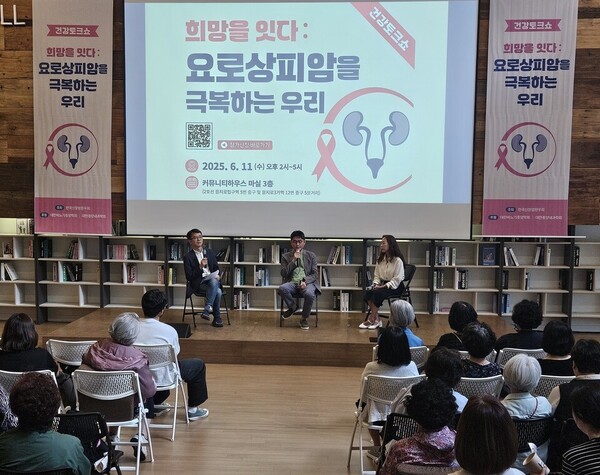
If negotiations are successful, the therapy could become covered by health insurance, which may reduce the financial burden on patients. Until these negotiations conclude, patients may continue to face high out-of-pocket expenses.
Frequently Asked Questions
What is urothelial cancer?
It is a cancer that develops in the innermost mucosal lining of the urinary tract and accounts for about 90% of bladder cancer cases.
What is the benefit of ADC combination therapy?
According to reported research, ADC therapy has shown the ability to extend survival rates by nearly double compared to existing treatments.
Why is the treatment currently unaffordable for some?
The therapy is not yet covered by health insurance, requiring patients to pay millions of won per treatment session.
Do you believe life-extending cancer treatments should be prioritized for insurance coverage over non-life-threatening conditions?