

FIFA World Cup 2026: Revenue, Rights, and the Business of Expansion
The vision for the 2026 Fifa World Cup, originally titled ‘United 2026,’ is transitioning from a pitch to a massive reality. This iteration marks the largest tournament in history, spanning three host nations with 48 teams competing across 104 matches.
While the expanded format promises record-breaking broadcast revenue and sponsorship opportunities, the lead-up has been fraught with tension. Domestic politics, climate concerns, and disputes over ticket pricing have challenged the “united” spirit of the bid.
A Continental Scale with Logistical Hurdles
The decision to award the tournament to the US, Canada, and Mexico was driven by financial goals. Fifa sought to quadruple its income and move past the legal and political fallout from the 2018 and 2022 tournaments in Russia and Qatar.

Unlike previous editions, Fifa is managing this event directly rather than through a local organising committee. This model allows Fifa to control media, tickets, and sponsorships, while host cities bear the costs of safety and security.
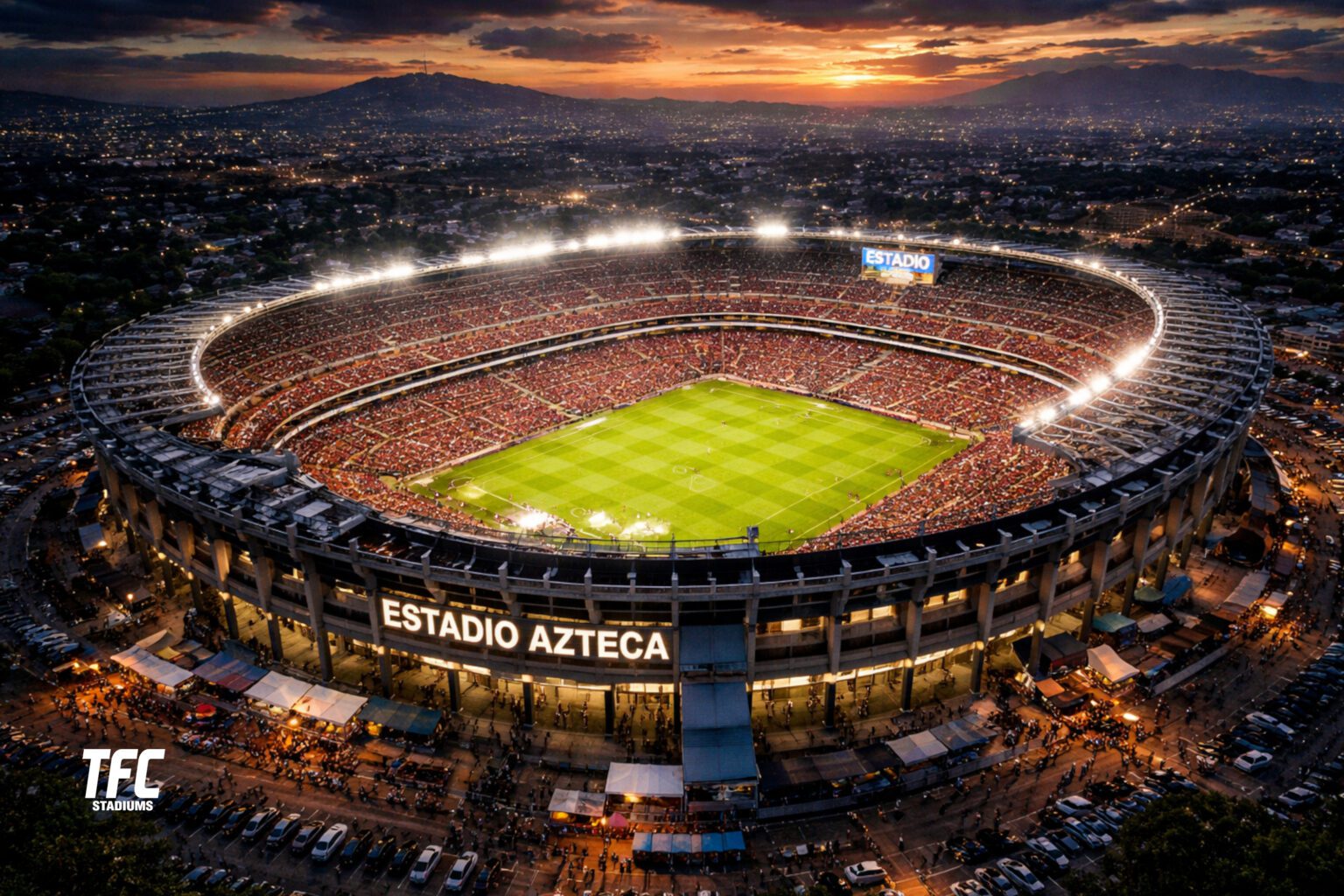
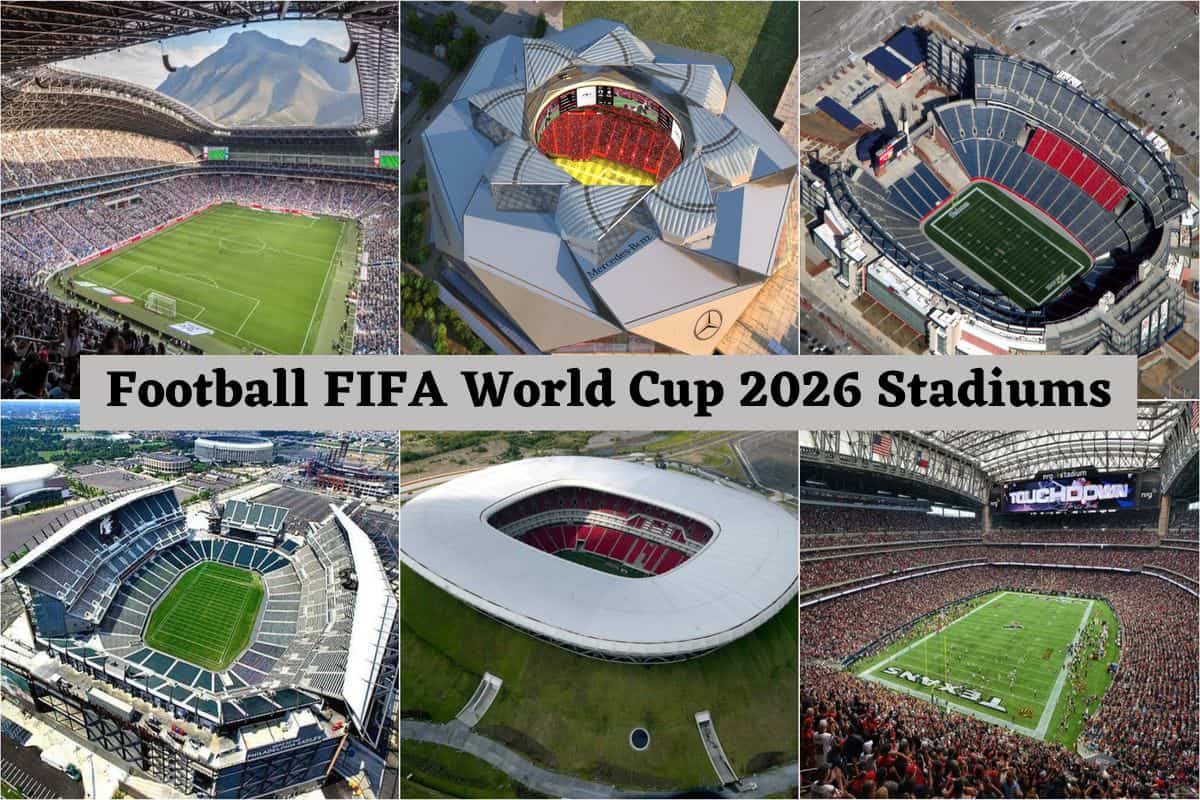
Matches will be spread across 16 cities and four time zones, covering a maximum distance of 2,800 miles. Iconic venues include the SoFi Stadium in Los Angeles, MetLife Stadium in New Jersey, and Mexico City’s Estadio Azteca.
Environmental challenges are a primary concern, with temperatures projected to exceed 32 degrees Celsius in Monterrey and Miami. A report by Common Goal and Football For Future indicates that ten of the 16 stadiums exceed safe-play heat thresholds.
To mitigate these risks, three-minute hydration breaks will be implemented in each half. Some venues, including Houston’s NRG Stadium and Atlanta’s Mercedes-Benz Stadium, will utilize closed roofs and air conditioning.
The Economics of Expansion
This tournament is the most expensive to date, operating on a budget of US$3.76 billion. However, Fifa estimates total revenue will reach US$8.9 billion, significantly aiding its US$13 billion target for the 2023 to 2026 cycle.
Player rewards have also scaled, with a record US$871 million in prize money. Every team is guaranteed a minimum of US$12.5 million, while the eventual winner could earn a total of US$53.5 million.
Revenue growth is heavily tied to a new dynamic pricing system, where ticket costs fluctuate based on demand. Some tickets have reached prices ten times higher than those seen in Qatar 2022, with one final ticket listed on Fifa’s official resale platform for US$11.5 million.
Economic projections vary wildly. While the World Trade Organisation suggests a gross economic output of US$80.1 billion—including US$30.5 billion for the US—the US hospitality industry remains skeptical, citing lower-than-expected hotel booking demand.
Broadcasting and Commercial Partnerships
The commercial value of the tournament in the US has surged, with broadcast rights increasing by 94 per cent since 2022. Fox and Telemundo expect a combined US$850 million in advertising spend.
Globally, Fifa has secured deals in over 175 territories. While European regulations often mandate free-to-air coverage via public service broadcasters, Fifa is leveraging streaming platforms like DAZN and Brazil’s CazéTV to reach wider audiences.
Sponsorship has evolved into a flexible three-tier structure: global partners, tournament-specific sponsors, and tournament supporters. This new approach is expected to generate up to US$2.4 billion in revenue.
New global partners include Lenovo, Aramco, and ADI Predictstreet. Meanwhile, brands like Bank of America, Unilever, and Lay’s have joined as sponsors, replacing previous partners such as Vivo and Crypto.com.
Political Tensions and Future Outlook
The tournament is shadowed by the close relationship between Fifa president Gianni Infantino and US president Donald Trump. This connection has faced scrutiny, particularly following the creation of the Fifa Peace Prize awarded to Trump.
Political frictions may impact attendance, as travel bans could exclude fans from Ivory Coast and Senegal. US military action has left the participation of Iran uncertain, and the presence of ICE agents has raised safety concerns for spectators.
Local governments are also expressing frustration over escalating costs. Because Fifa has refused to subsidize local transport, transit authorities have raised ticket prices for fans traveling to stadiums.
Looking ahead, the current organizational model may be challenged. The FA and US Soccer have already called for more federation control for the 2031 and 2035 Women’s World Cups to avoid similar disputes.
If the 2026 event is a commercial success, Fifa could potentially increase the number of participating teams from 48 to 64. Such a change may be proposed as early as the 2030 World Cup, following a suggestion from Conmebol.
Finally, the outcome of this tournament may influence the 2027 presidential election. Gianni Infantino is likely to stand for re-election and already holds support from three confederations.
Frequently Asked Questions
How many teams and matches will be in the 2026 World Cup? The tournament will feature 48 teams competing in 104 matches across three host countries. What is “dynamic pricing” in the context of ticket sales? Dynamic pricing is a system where ticket prices change based on demand, leading to some tickets costing significantly more than in previous tournaments. How is Fifa addressing extreme heat at the venues? Fifa has implemented three-minute hydration breaks in each half, and several stadiums with closed roofs and air conditioning will be used. Do you believe the expanded format and dynamic pricing will enhance the fan experience or create too many barriers to entry?