

FIFA World Cup 2026: Schedule, Groups, and Stadiums
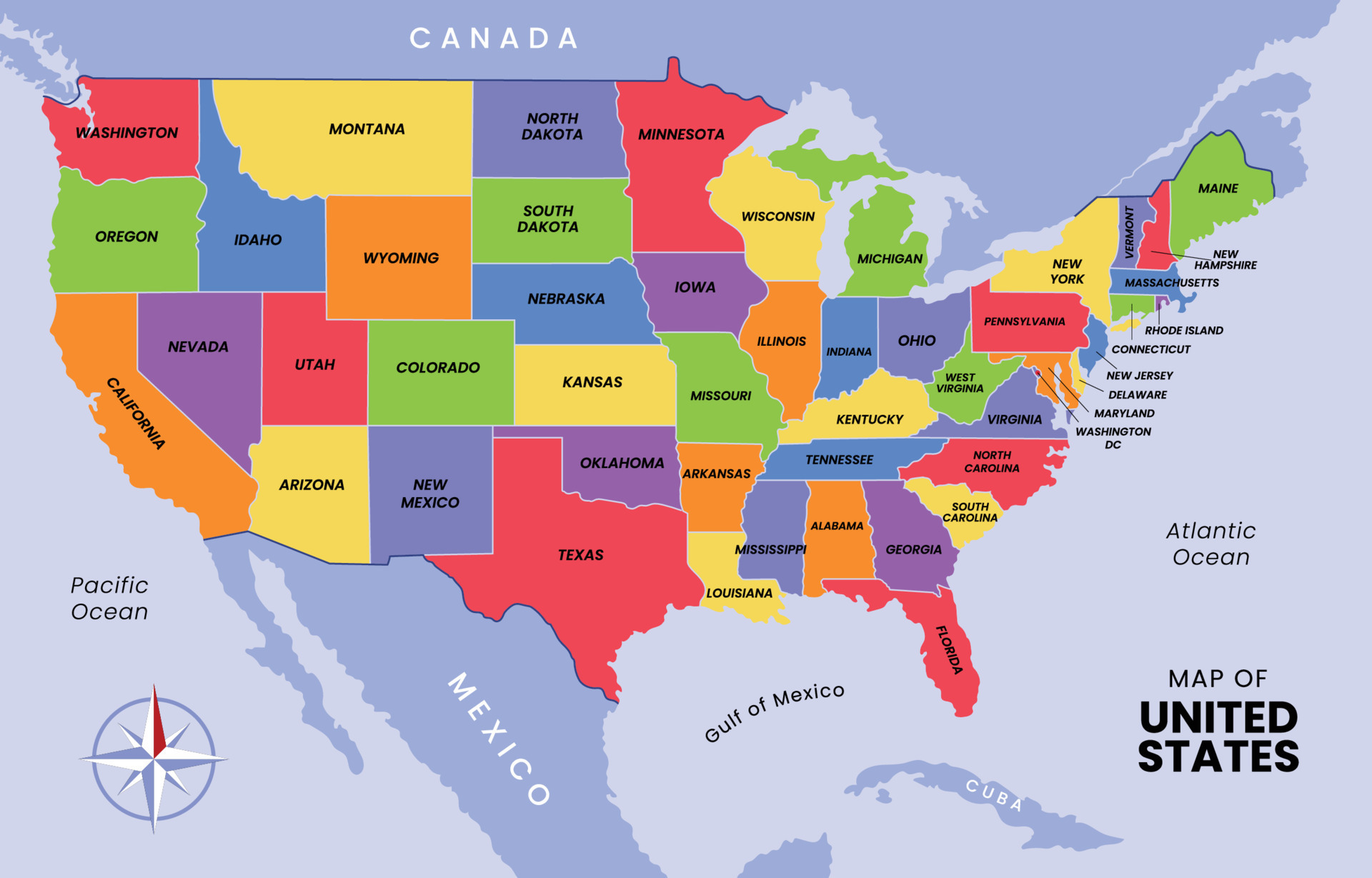
The 2026 FIFA World Cup will feature 48 teams competing across the United States, Mexico, and Canada from June 11 to July 19, 2026. According to tournament schedules, the event expands to 104 matches hosted in 16 stadiums, introducing a new Round of 32 and a multi-nation hosting model that alters traditional tournament logistics and geopolitical planning.
Why is the World Cup expanding to 48 teams?
The shift from 32 to 48 teams increases the tournament’s global footprint. According to the official group distributions, the 2026 event will utilize 12 groups of four teams each. This expansion allows smaller nations and newcomers, such as Curaçao, to enter the world stage.
This growth creates a denser schedule. The tournament now requires 104 games to determine a winner, compared to the 64 games seen in previous 32-team formats. For teams like Germany, who are placed in Group E with Ecuador, Ivory Coast, and Curaçao, the road to the final is longer and requires more depth in the squad.
How does multi-country hosting change tournament logistics?
Hosting across three nations introduces unprecedented travel and diplomatic hurdles. According to reporting on the Iranian national team, political tensions have forced the squad to base their quarters in Mexico despite playing matches in the United States. This represents a shift toward “fragmented hosting,” where diplomatic friction dictates athlete movement.
The scale of the venues also varies wildly. Canada’s Toronto-Stadion holds 45,000 fans, while Mexico’s Aztekenstadion accommodates 83,000. This disparity in stadium size and regional infrastructure suggests that future mega-events will rely on a “hub” system rather than a centralized host city.
What are the broadcasting challenges for a North American World Cup?
Time zone differences present a significant hurdle for international audiences. Data shows a time gap of six to nine hours between North American venues and Central European Summer Time (MESZ). For example, Germany’s match against the Ivory Coast in Toronto is scheduled for 22:00 MESZ, pushing prime-time viewing into the late night for European fans.
Broadcasters are adapting by splitting coverage. In Germany, ARD and ZDF will broadcast 60 of the 104 matches, while MagentaTV provides a comprehensive paid subscription for every game. This hybrid model of public and private streaming is likely to become the standard for tournaments with such vast geographic spreads.
How will the new tournament format affect team progression?
The 2026 format introduces a “Round of 32” (Sechzehntelfinale). According to the tournament rules, the top two teams from each of the 12 groups advance directly. To fill the remaining slots, the eight best third-place teams also qualify.
This creates a period of uncertainty for teams in Groups A, B, and C. Because of the scheduling order, third-place teams in these early groups must wait two days to discover if they have progressed. This introduces a psychological variable that didn’t exist in the previous 32-team format.
The stakes for group winners remain high. A victory in the group stage, such as for Germany in Group E, ensures a match against a third-place team in the Round of 32, whereas a lower seed could face a powerhouse like France or Norway in the Round of 16.
Venue and Capacity Comparison
| City/Stadium | Country | Capacity |
|---|---|---|
| Dallas-Stadion | USA | 94,000 |
| Aztekenstadion | Mexico | 83,000 |
| Toronto-Stadion | Canada | 45,000 |
Frequently Asked Questions
When is the 2026 World Cup Final?
The final takes place on Sunday, July 19, 2026, at 21:00 in New York.
How many teams are participating in 2026?
A total of 48 teams will compete, divided into 12 groups.
Which countries are hosting the event?
The tournament is hosted by the United States, Mexico, and Canada.
Who is in Germany’s group?
Germany is in Group E alongside Ecuador, Ivory Coast, and Curaçao.
Which of the 48 teams do you think is the biggest dark horse for 2026? Let us know in the comments below or subscribe to our newsletter for more match analysis.