
Financial Services Roundup: Senior Appointments and Executive Leadership Moves
The global financial landscape is undergoing a significant period of personnel restructuring, marked by a wave of high-level executive appointments and institutional shifts across major banking and regulatory bodies. From London to New York and Paris, firms are recalibrating their leadership teams to navigate an increasingly complex market environment characterized by volatile assets and the rapid integration of artificial intelligence.
Strategic Leadership Shifts in Global Banking
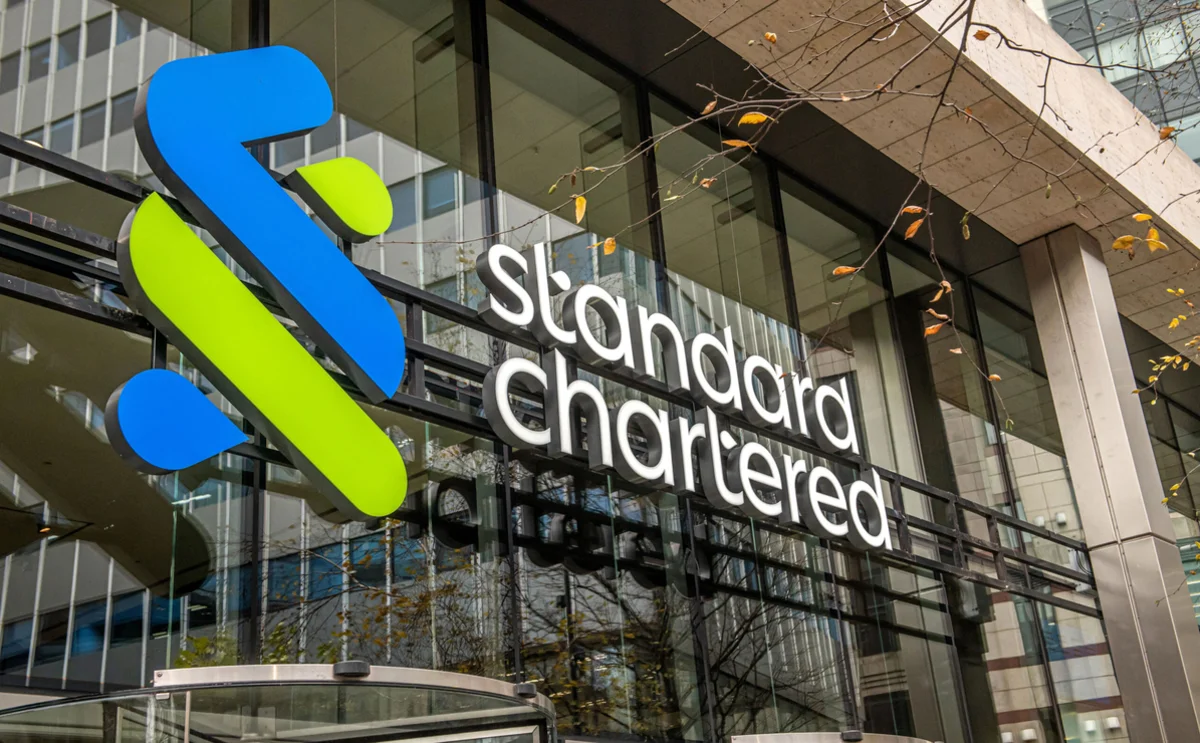
Standard Chartered has moved to bolster its technological capabilities by naming Simon Wilson as global head of automated risk. Wilson, a veteran of UBS and Credit Suisse, is tasked with digitizing the bank’s foreign exchange and rates trading platforms while overseeing market intelligence and AI integration. This appointment follows a broader trend of banks seeking risk management expertise to navigate legacy assets and modernize trading infrastructure.
In New York, Goldman Sachs has promoted Michael Voris to head of equity derivatives for the Americas, while Akila Raman has been named global head of the private and alternative capital markets business. These moves coincide with Citi’s acquisition of new talent, including James Carolan, who joins as global head of FX structuring and solutions. Meanwhile, Morgan Stanley has strengthened its European credit trading operations by hiring Jeremie Ouaki in Paris.
Did You Know? Patrick du Plessis has been promoted to chief risk officer at Norges Bank Investment Management after spending 25 years with the firm, including a decade as global head of risk monitoring.
Market Volatility and Institutional Realignment
The hedge fund sector is facing notable challenges, exemplified by the decision of QVR, led by Benn Eifert, to wind down its flagship multi-strategy fund. The fund, which saw significant growth in 2020, struggled with a decline in early 2026 as market conditions decoupled implied and realized volatility. Eifert noted that the current environment for volatility strategies has been exceptionally challenging, particularly as retail investor behavior continues to dampen realized volatility during periods of institutional nervousness.

Expert Insight: The simultaneous movement of senior personnel and the closure of volatility-focused funds suggest a market in transition. As firms like Standard Chartered and Goldman Sachs double down on digital infrastructure and specialized capital solutions, the industry may be signaling a pivot toward more automated, data-driven risk management to mitigate the unpredictable patterns seen in recent volatility trading.
Regulatory and Exchange Updates
The regulatory and exchange landscape is also seeing substantial leadership changes. Anthony Attia is set to become the new CEO of ASX on September 1, replacing Helen Lofthouse. In the UK, the Financial Conduct Authority has confirmed Simon Walls as executive director of markets and appointed Johan Sekora as chief operating officer.
On the international stage, the Bank for International Settlements has elected Fabio Panetta as its new chair, while Jean-Paul Servais has been re-elected to lead the board of the International Organization of Securities Commissions. These appointments may indicate a continued focus on harmonizing regulatory standards and oversight across global markets as the industry adapts to new technological and economic pressures.
the departure of key executives from platforms like FX HedgePool, following its acquisition by LMAX, could lead to further consolidation or shifts in the electronic trading landscape. Analysts may expect that banks will continue to prioritize the hiring of experts with deep experience in algorithmic trading and complex structured products as they look to maintain a competitive edge.
Frequently Asked Questions
What is the primary focus of Simon Wilson’s new role at Standard Chartered?
Wilson will serve as global head of automated risk, focusing on digitizing the bank’s FX and rates trading platforms and implementing artificial intelligence across its markets business.

Why is QVR winding down its flagship fund?
The decision follows several months of poor performance and redemptions by key investors, with the fund losing nearly 30% in the early months of 2026 after a challenging market environment for volatility strategies.
Who has been appointed as the new CEO of the Australian exchange ASX?
Anthony Attia has been appointed as the new CEO of ASX, with his term set to begin on September 1.
How do you believe the integration of AI in risk management will reshape the future of institutional trading strategies?