

First AI-Designed Vaccine Component Tested in Humans
Researchers at the University of Cambridge have achieved a significant medical milestone by developing a key vaccine component entirely designed by artificial intelligence. This marks the first time an AI-designed antigen has been tested in human subjects.
The vaccine is engineered to target all coronaviruses, including all variants of Covid-19 and viruses found in animals that could potentially trigger a future pandemic. This approach aims to move medical science from a reactive state to a proactive one.
A Shift in Pandemic Preparedness
Traditional vaccines are typically designed using a current strain of a virus. However, many viruses mutate rapidly, meaning vaccines can become outdated quickly and require regular updates.
Professor Jonathan Heeney of the University of Cambridge noted that scientists have historically been “running behind” these mutations. The goal of this new AI-driven approach is to anticipate these changes to protect against new outbreaks.
How the AI “Superantigen” Works
The AI analysed genetic data to design a “superantigen,” which is the critical component that teaches the immune system what to attack. This specific design is intended to offer protection across the entire coronavirus family.
This technology could provide defence even if the virus mutates or if a new infection jumps from animals to humans. According to Professor Heeney, this represents a fundamental change in how the world prepares for pandemics.
Trial Results and Clinical Progress
Initial trials involving 39 people focused on evaluating the safety of the vaccine. A subsequent study involving approximately 200 people is expected to provide a deeper understanding of how effectively the immune system is trained.
Results published in the Journal of Infection described the immune system impact as “modest,” yet the findings have generated significant enthusiasm. Professor Saul Faust of the University of Southampton stated that the AI design “definitely has potential.”
Potential Future Applications
The Cambridge team is already expanding this research into other viral threats. Animal studies are currently underway for universal seasonal flu vaccines that would not require annual adaptations.
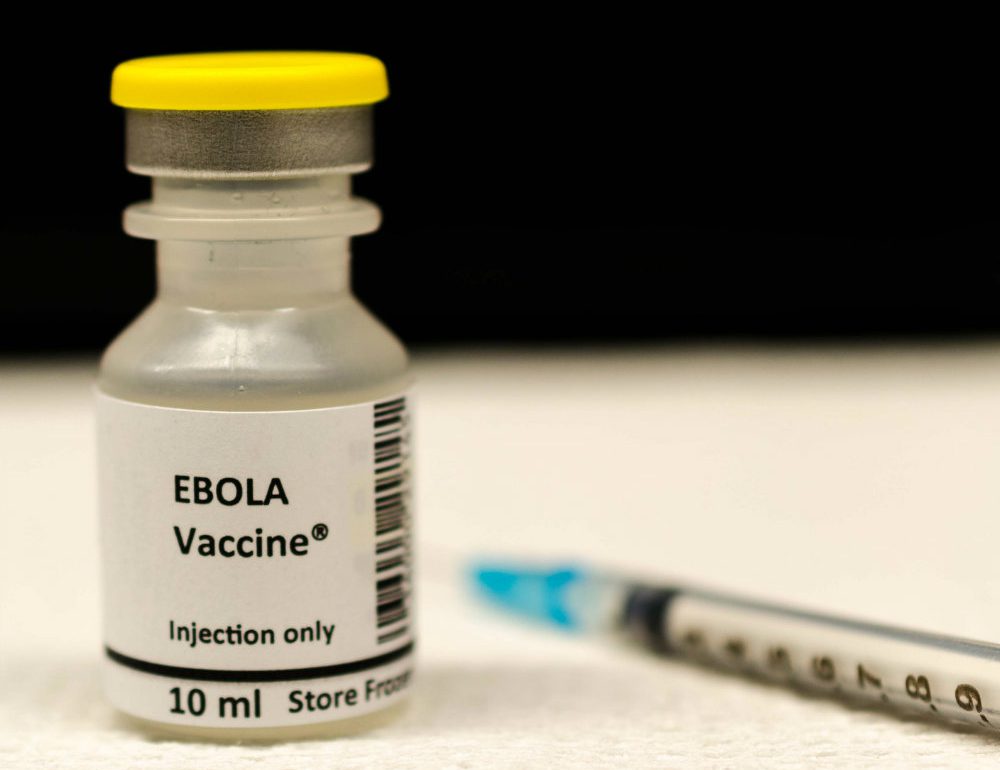
Further research may include a vaccine for H5N1 avian flu to prevent a potential human pandemic. The team is studying vaccines for viral hemorrhagic fevers, including species of Ebola.
Professor Andy Pollard of the Oxford Vaccine Group suggested that AI could be a “game-changer” for vaccine research. He noted that while animal data is fascinating, the true test remains human trials due to the complex nature of human immune systems.
Frequently Asked Questions
What is a superantigen in the context of this vaccine?
It is a critical vaccine component designed by AI to train the immune system to recognize and attack an entire family of coronaviruses, regardless of mutations.
How many people have participated in the trials so far?
The first safety trials included 39 people, and a second study involving about 200 people is planned to assess efficacy.
Could this technology be used for other diseases?
Yes, researchers are already exploring its use for universal flu vaccines, H5N1 avian flu, and Ebola.
How do you feel about the role of artificial intelligence in designing the medicines of the future?