

First Case of Screwworm Found in Texas: What Livestock Owners and Residents Need to Know
Screwworm Crisis in Texas: What’s Next for Livestock, Public Health and Border Security?
Why This Parasite Could Reshape Livestock and Public Health Policies
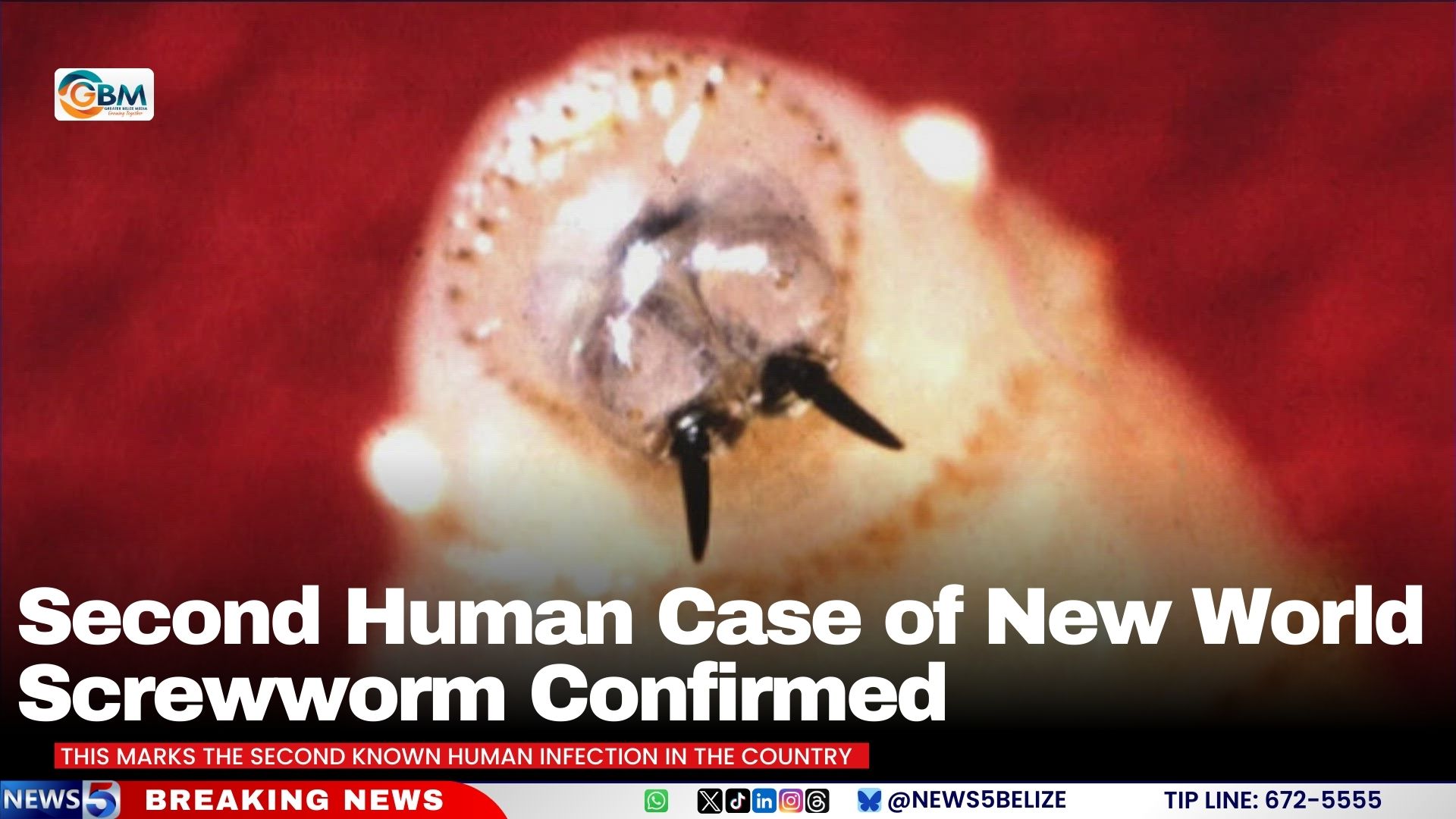
The confirmation of the first screwworm (Cochliomyia hominivorax) case in Texas since the 1950s isn’t just a regional alert—it’s a warning sign of broader trends in climate change, agricultural security, and cross-border disease management. This parasitic fly, once eradicated from the U.S. Through a decades-long eradication program, has returned with a vengeance, raising urgent questions about future outbreaks, economic impacts, and preparedness.
With Texas serving as a gateway for agricultural trade between the U.S. And Mexico, the re-emergence of screwworms could trigger a domino effect: stricter livestock movement restrictions, heightened surveillance, and even new biosecurity protocols for both countries. Experts warn that without swift action, this could become a $100 million+ annual crisis—a figure based on the USDA’s past eradication costs and the economic toll of similar pests like African swine fever.
The last U.S. Screwworm outbreak in Florida (1982) cost $18 million in eradication efforts alone. Today, with global trade and climate shifts, the risks are exponentially higher.
How Rising Temperatures and Humidity Are Fueling the Spread
The screwworm’s return isn’t random—it’s a direct consequence of climate change. The parasite thrives in warm, humid conditions, and Texas’s border regions are ground zero for these environmental shifts. According to NASA’s climate data, the Rio Grande Valley has seen a 30% increase in extreme heat days since the 1990s, creating the perfect breeding ground for the fly.
Mexico’s 2023 outbreak (first detected in May) serves as a case study. The screwworm spread rapidly in Tamaulipas and Coahuila, mirroring patterns seen in Central America’s 2020-2022 outbreaks, where 50,000+ cattle were treated or quarantined. Texas’s similar climate and livestock density make it highly vulnerable.
Monitor these climate indicators to predict screwworm risks in your region:
- Humidity levels above 70% for 3+ consecutive days
- Temperatures consistently above 80°F (27°C)
- Recent heavy rainfall (larvae thrive in damp environments)
Use tools like the NOAA Climate Data Portal to track trends.
The $1 Billion Question: How Screwworms Could Cripple Texas Agriculture
The immediate financial blow is already visible. In Zavala County, where the first Texas case was detected, beef exports to Mexico and the U.S. Northeast could face mandatory quarantines, halting shipments worth $500 million annually from the Rio Grande Valley alone. Ganaderos like José Canales (quoted in the original report) are already sounding the alarm:
“Lo que nosotros le estábamos pidiendo al gobierno de Estados Unidos que nos dejara desplazar nuestro ganado de exportación que nos lo tiene encerrado ya por más de un año con grandes pérdidas millonarias para el sector ganadero del país de México.”
Beyond livestock, the pet industry could also face disruptions. The CDC’s 2021 report on myiasis (maggot infestations in humans) highlights that 1 in 5 pet owners in rural Texas regions have unknowingly treated pets for screwworm-like infestations. With 1.5 million dogs and cats in the Laredo metro area alone, the risk of zoonotic spread (disease transmission from animals to humans) is real.
- $100M+ in emergency livestock treatments
- $50M+ in lost export revenue (beef, dairy, horses)
- $20M+ in increased veterinary costs for pets and livestock
- $10M+ in tourism downturn (ranch visits, hunting seasons)
Lessons from the Past: How the U.S. (Almost) Eliminated Screwworms—And Why It Might Not Work This Time
The last time the U.S. Faced a screwworm crisis, the solution was sterile insect technique (SIT)—releasing millions of radiation-sterilized male flies to outcompete wild populations. The program, led by the FAO and USDA, successfully eradicated screwworms from the U.S. By 1982. But today, three major challenges threaten its effectiveness:
- Climate Resilience: Screwworms now thrive in new geographic zones due to warming trends. The original eradication zones (Florida, Texas) are now high-risk areas again.
- Global Trade Gaps: Mexico’s limited biosecurity funding (only $8M allocated in 2023 for screwworm control) means cross-border containment is weak.
- Public Awareness Lags: Unlike past eras, today’s urbanization and reduced rural populations mean fewer farmers recognize early symptoms in livestock.
“The 1950s-80s eradication was a cold war-era effort with unlimited resources. Today, we’re playing whack-a-mole with a globalized pest that doesn’t respect borders.”
Three Critical Moves to Prevent a Full-Blown Crisis
1. Stronger Cross-Border Collaboration
The U.S.-Mexico Screwworm Commission (last active in 2010) needs a revamped, funded mandate. Proposals include:
- Joint surveillance drones along the border to detect early outbreaks.
- Shared sterile fly release programs (Mexico’s budget is 10x smaller than the U.S.’s past efforts).
- Mandatory health certificates for livestock crossing into Texas from Mexico.
2. AI and Predictive Tech
Companies like Zoetis and Merck Animal Health are developing AI-driven pest tracking using:
- Satellite imagery to predict screwworm hotspots based on vegetation and water sources.
- Wearable sensors for livestock to detect early infestations via body temperature spikes.
- Blockchain for livestock tracing to quickly quarantine affected herds.
3. Public Education Campaigns
Texas’s Department of Agriculture is launching a “Screwworm Watch” program, but success depends on grassroots engagement. Key actions:
- Vet clinics offering free wound checks for pets and livestock.
- School programs in border counties teaching kids to spot screwworm signs in animals.
- Social media alerts from local health departments (e.g., Laredo’s Health Dept.).
Screwworm FAQ: What You Need to Know
Can screwworms infect humans?
Yes—but rarely. While they prefer livestock, screwworms can lay eggs in open wounds on humans, causing painful myiasis. The CDC reports ~50 cases/year in the U.S., mostly in rural areas. Prevention: Keep wounds clean and covered.
How long until screwworms become a nationwide problem?
If unchecked, 6-12 months. The fly’s range can expand 50+ miles per year under ideal conditions. Texas’s high livestock density accelerates spread.
Are there natural predators that can control screwworms?
Yes! Parasitic wasps (Nasonia vitripennis) and guava smash flies prey on screwworm larvae. However, chemical treatments and climate shifts have reduced their populations.
Will beef prices go up if screwworms spread?
Absolutely. Past outbreaks (e.g., 2003 Texas cattle fever) caused 15-20% price spikes due to reduced herd sizes. Expect supply chain disruptions if screwworms force mass culling.
What’s the best treatment if my animal gets screwworms?
Act fast:
- Isolate the animal immediately.
- Apply 10% ivermectin pour-on (vets can prescribe stronger doses).
- Clean wounds with hydrogen peroxide or betadine.
- Report to Texas AgriLife or local health dept.
What Our Readers Are Asking
We asked Texas ranchers, veterinarians, and public health officials for their biggest concerns. Here’s what they said:
Q: “As a small rancher in Eagle Pass, should I be worried about selling my cattle this year?”
A: Yes—export restrictions are likely. The USDA may impose pre-movement testing for screwworms. Check with Texas AgriLife for updated protocols.
Q: “My dog has a scabby wound—could it be screwworms?”
A: If the wound is weeping, smelly, or has tiny white maggots, it’s a red flag. See a vet ASAP—early treatment prevents spread.
Q: “Will this affect hunting seasons in South Texas?”
A: Possibly. Texas Parks & Wildlife may restrict movement of hunted deer/feral hogs to prevent screwworm transmission. Monitor TPWD updates.
Your Action Plan: How to Stay Ahead of the Screwworm Threat
Whether you’re a rancher, pet owner, or just concerned about public health, proactive steps can make all the difference. Here’s what you can do today:
🐄 For Livestock Owners
- Inspect animals weekly for wounds, especially in summer.
- Use fly repellent ear tags (e.g., Merck’s Gammexane).
- Report suspicious cases to Texas AgriLife.
🐕 For Pet Owners
- Keep flea/tick prevention up to date (screwworms often enter through minor injuries).
- Check paws and ears after outdoor trips.
- Stock up on wound care sprays (e.g., Zoetis’s DermaZine).
🌍 For the General Public
- Support local vet clinics offering free screwworm checks.
- Follow CDC alerts on myiasis risks.
- Advocate for funding border biosecurity programs.
Stay in the loop: Subscribe to our Agriculture & Health Alerts for updates on screwworm trends, policy changes, and expert interviews.
Have you or someone you know dealt with screwworms or similar infestations? Share your story in the comments—your experience could help others stay safe. Or, ask an expert: Our team of veterinarians and entomologists is monitoring this situation closely. Submit your question here.