

First Robotic Living Donor Kidney Transplant in Hispano-America
The Fundación Favaloro has achieved a significant medical milestone by performing the first robotic-assisted living-donor kidney transplant in Hispanoamerica. The procedure took place in Operating Room 4 of the institution’s University Hospital on May 25.
A New Standard in Surgical Precision
The intervention involved a patient who received a kidney donated by her sister. This was made possible through the Da Vinci Xi system, a robotic platform that the institution incorporated last year.
Both the ablation of the organ from the donor and the subsequent implant into the recipient were performed with robotic assistance. This approach allowed for a minimally invasive procedure characterized by small incisions and maximum surgical precision.
Patient Benefits and Recovery
Compared to traditional open surgery, this robotic approach offers several concrete advantages for patients. These include reduced postoperative pain, less bleeding, and a decrease in overall surgical trauma.
the technique allows for shorter hospital stays and a significantly faster recovery process for both the donor and the recipient.
A Legacy of Innovation
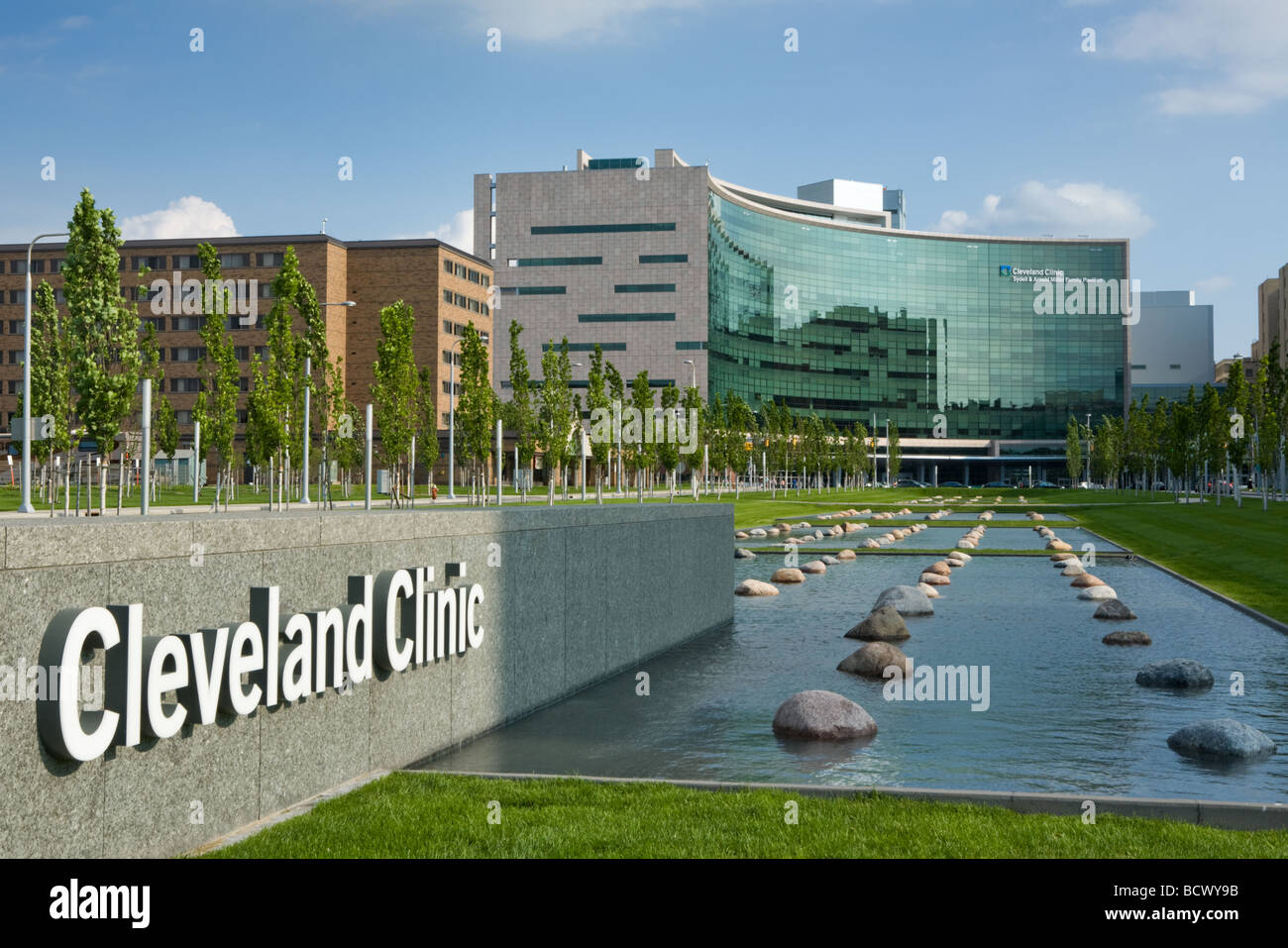
The surgery was supported by the participation of robotic surgery specialists from the Cleveland Clinic. This collaboration is particularly symbolic, as the Cleveland Clinic is where Dr. René Favaloro developed the coronary bypass technique.
This procedure is part of a broader Robotic Surgery Program at the Fundación Favaloro. This year alone, the program has achieved two other milestones: the first robotic-assisted mitral valve replacement and the first robotic-assisted aortocoronary bypass.
Regarding these advancements, the institution stated: “Como nos enseñó el Dr. René Favaloro, la innovación solo tiene sentido cuando está al servicio del paciente. Estos avances representan una manera de honrar su legado: incorporar tecnología de vanguardia sin perder el humanismo que nos define”.
Understanding the Technology
Despite the term “robotic surgery,” the system does not act autonomously. Instead, every movement is controlled in real-time by the surgeon from a dedicated console within the operating room.
The surgeon manages four robotic arms, ensuring a level of control and stability that differs from traditional methods. This technology could lead to further improvements in surgical safety and the overall quality of care.
Frequently Asked Questions
What is the Da Vinci Xi system?
We see a latest-generation robotic platform that allows a surgeon to operate from a console, controlling four robotic arms with high-definition 3D vision that is 10 times more magnified than human vision.
What are the primary benefits of robotic-assisted transplants?
Patients experience less postoperative pain, reduced bleeding, less surgical trauma, shorter hospital stays, and a faster recovery compared to traditional open surgery.
Who collaborated with Fundación Favaloro on this procedure?
The surgery included the participation of specialists in robotic surgery applied to kidney transplants from the Cleveland Clinic.
How do you think the integration of robotic assistance will change the future of organ transplantation?