
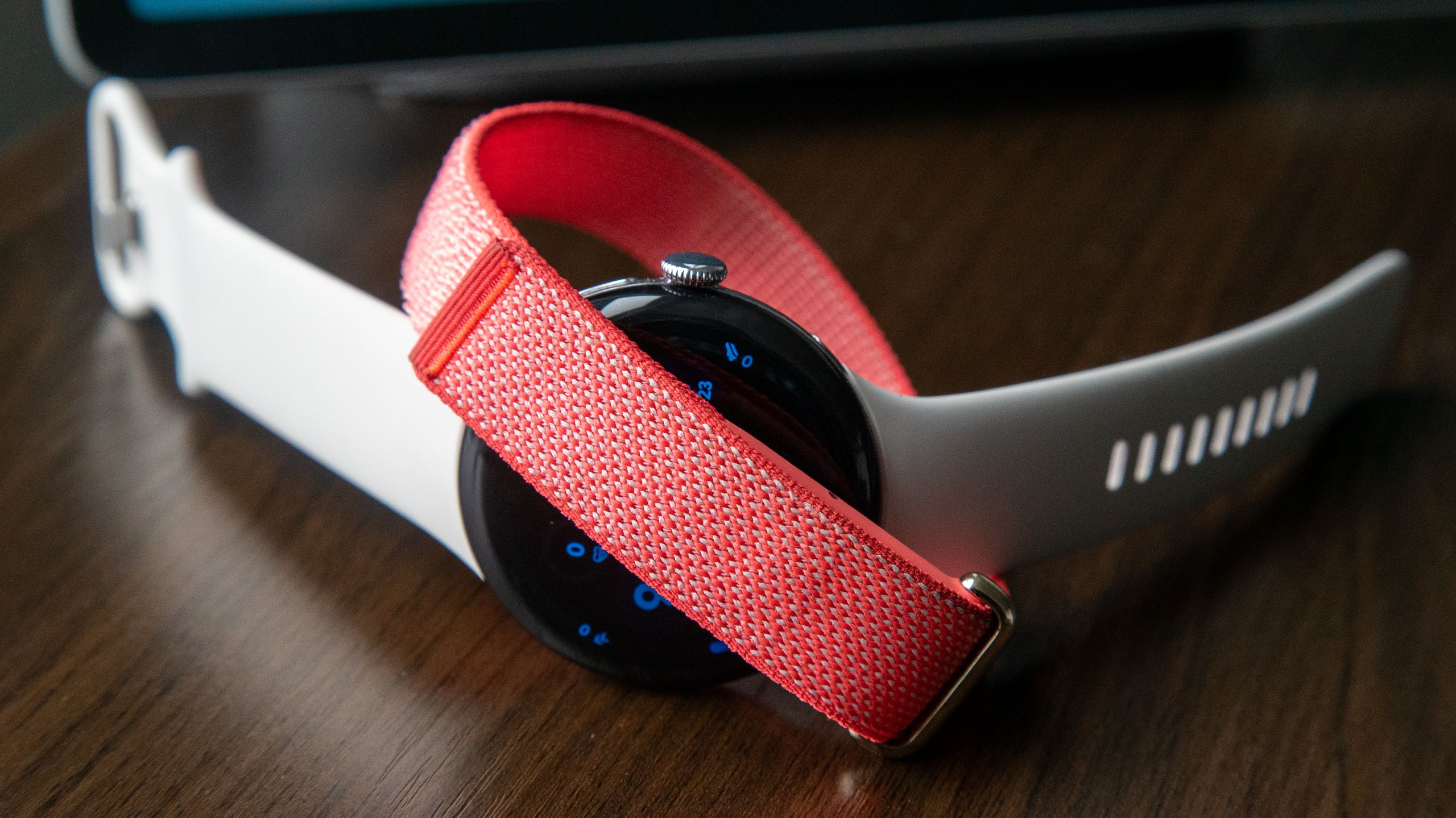
Fitbit Air vs. Google Pixel Watch 4: Both might be better than just one
Google has expanded its wearable strategy by offering two distinct tiers of health monitoring: the $99 screenless Fitbit Air and the $350 Pixel Watch 4. The Fitbit Air serves as a passive, low-profile tracker focused on essential health data, while the Pixel Watch 4 is a full-featured smartwatch running Wear OS 6 with advanced connectivity and sensors.
The Fitbit Air targets users seeking a minimal footprint. It weighs just 5.2 grams for the sensor alone and lacks a screen, relying entirely on the Google Health app for data review. It offers a seven-day battery life and basic monitoring for sleep and workouts.
In contrast, the Pixel Watch 4 is a standalone device available in 41mm and 45mm sizes. It features a 3,000-nit Actua 360 AMOLED LTPO display and supports dual-frequency GPS, LTE, and specialized safety features like Satellite SOS and Loss of Pulse detection.
How do the Fitbit Air and Pixel Watch 4 differ in hardware?
The primary difference is the level of autonomy. The Pixel Watch 4 uses a Snapdragon W5 Gen 2 chip to run a full operating system with third-party app support. The Fitbit Air has no OS or screen, utilizing a vibration motor and side LED to communicate with the user.
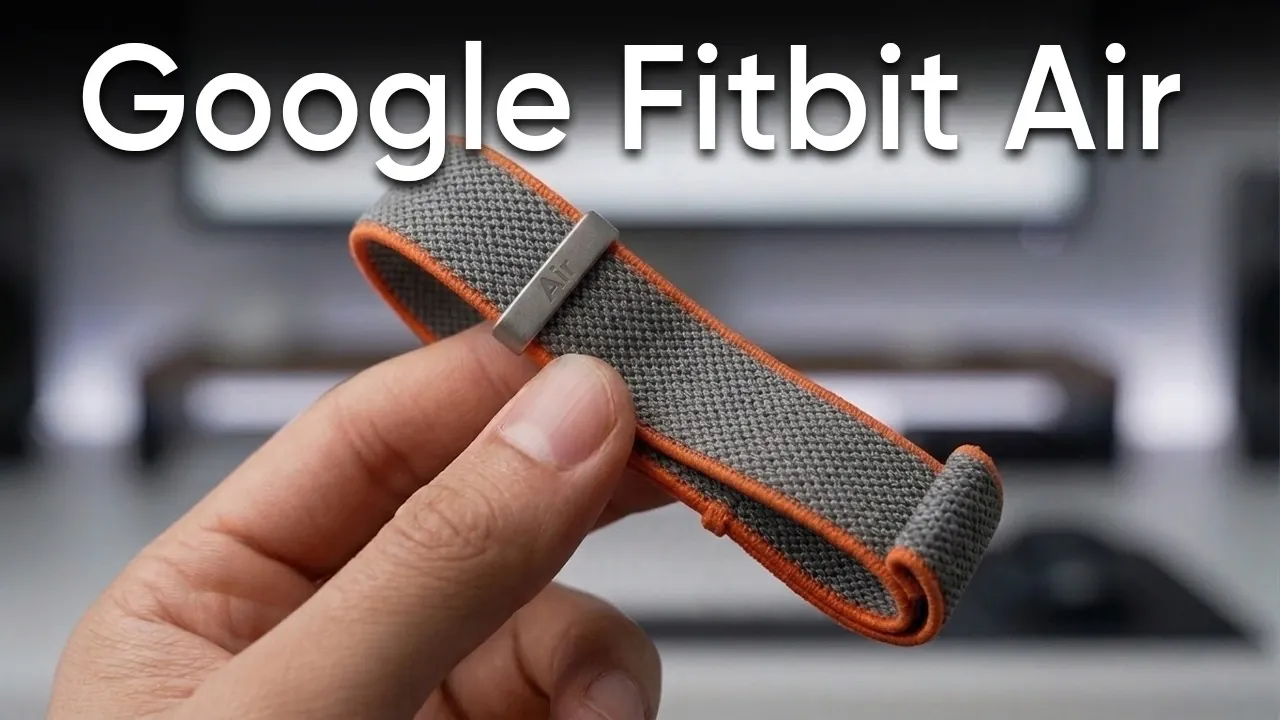
Sensor capabilities also diverge sharply. The Pixel Watch 4 includes an ECG, a cEDA body response sensor, and a compass. The Fitbit Air provides an optical heart rate monitor, blood oxygen sensor, and skin temperature sensor, but it lacks onboard GPS, requiring a connected smartphone to track location during workouts.
Why does this dual-product approach matter for consumers?
Google is segmenting its market to capture both the “passive” and “active” user. Those who find smartwatches too bulky or expensive can access basic health tracking for $99 without a required subscription.
The introduction of the Google Health app—a rebranded version of the Fitbit app—unifies both devices. While a Google Health Premium plan is available for $9.99 per month or $99.99 per year to unlock an AI-powered Health Coach, all basic tracking remains free.
What may happen next for Google wearable users?
Users may increasingly adopt a dual-device ecosystem. Because both trackers pair to the same Google Health account, a person could wear the Pixel Watch 4 during the day and switch to the more comfortable Fitbit Air for sleep tracking.
This strategy could position the Fitbit Air as a direct competitor to dedicated sleep monitors, such as the $170 Garmin Index Sleep Monitor. It is possible that this “tandem” usage will become a primary selling point for the $99 tracker.
Frequently Asked Questions
What is the price difference between the two devices?
The Fitbit Air is priced at $99, while the Google Pixel Watch 4 is $350.
Do I need a subscription to use these trackers?
No, neither device requires a subscription for basic health and fitness tracking, though a paid Google Health Premium plan is available for AI-powered insights.
Does the Fitbit Air have GPS?
No, the Fitbit Air lacks inbuilt GPS and requires a connected smartphone to track location during workouts.
Would you prefer a screenless tracker for sleep or a full smartwatch for your daily routine?