
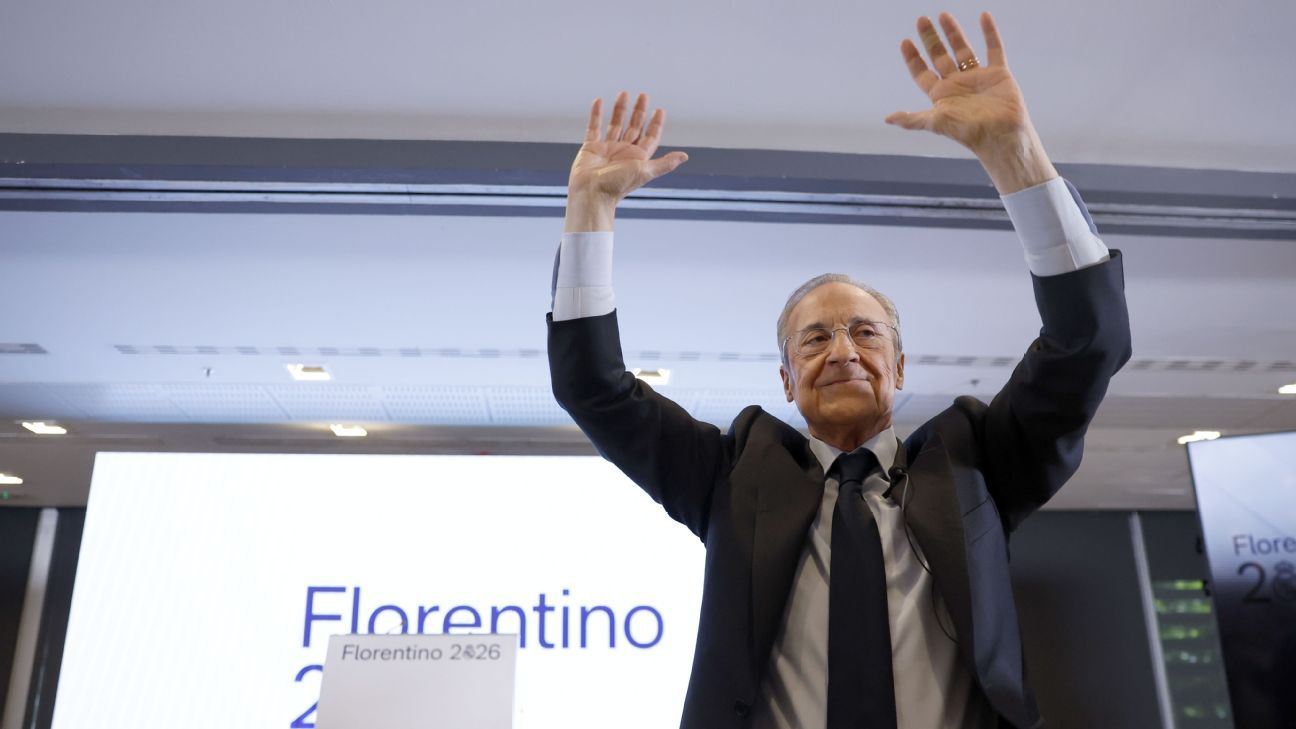
Florentino Pérez Re-elected as Real Madrid President
Florentino Pérez has secured another four-year term as Real Madrid president, winning the club’s first contested election since 2006. His victory signals a return to an aggressive “Galáctico” recruitment strategy, including a promised €150 million marquee signing, and a controversial proposal to sell a 5% stake in the club to external investors.
Will the “Galáctico” strategy still work in the modern market?
Pérez isn’t just chasing names; he’s chasing a specific type of dominance. By promising the signings of Ibrahima Konaté and Denzel Dumfries alongside a €150 million “Galáctico” attacker, Pérez is blending tactical needs with brand power. This is a departure from his early 2000s approach where he signed Luis Figo, Zinedine Zidane, and Ronaldo Nazario primarily for their global stature.

Today’s market is different. The rise of state-owned clubs has inflated prices, making a €150 million bid a necessity rather than a luxury. According to the election campaign details, Pérez is betting that high-profile arrivals will spark a trophy resurgence after two seasons without a major title. It’s a high-stakes gamble that relies on the “halo effect”—where one superstar elevates the performance and commercial value of the entire squad.
What happens if Real Madrid sells a stake to external investors?
The most disruptive trend in this victory isn’t the players, but the balance sheet. Pérez plans to oversee a change in ownership structure by selling 5% of the club to an external investor. This would be a seismic shift for a club owned by its members (socios).
This move mirrors trends seen across the NFL and NBA, where private equity firms inject capital for infrastructure and global expansion. However, as rival candidate Enrique Riquelme argued during his campaign, this crosses a “red line.” Riquelme’s platform was built on the belief that “Real Madrid isn’t for sale.”
If the members vote to approve this sale, it could open the door for further privatization. While 5% seems small, it establishes a legal precedent for external influence in a club that has historically prided itself on being member-run. For more on how club ownership is evolving, check out our guide on the rise of multi-club ownership models.
Why is the return of José Mourinho a calculated risk?
Pérez has already announced the return of José Mourinho as coach. This is a nostalgic play that targets a specific era of Madrid’s identity—one defined by aggression and a “us against the world” mentality. It’s a sharp contrast to the vision proposed by Riquelme, who sought to recruit Jurgen Klopp.
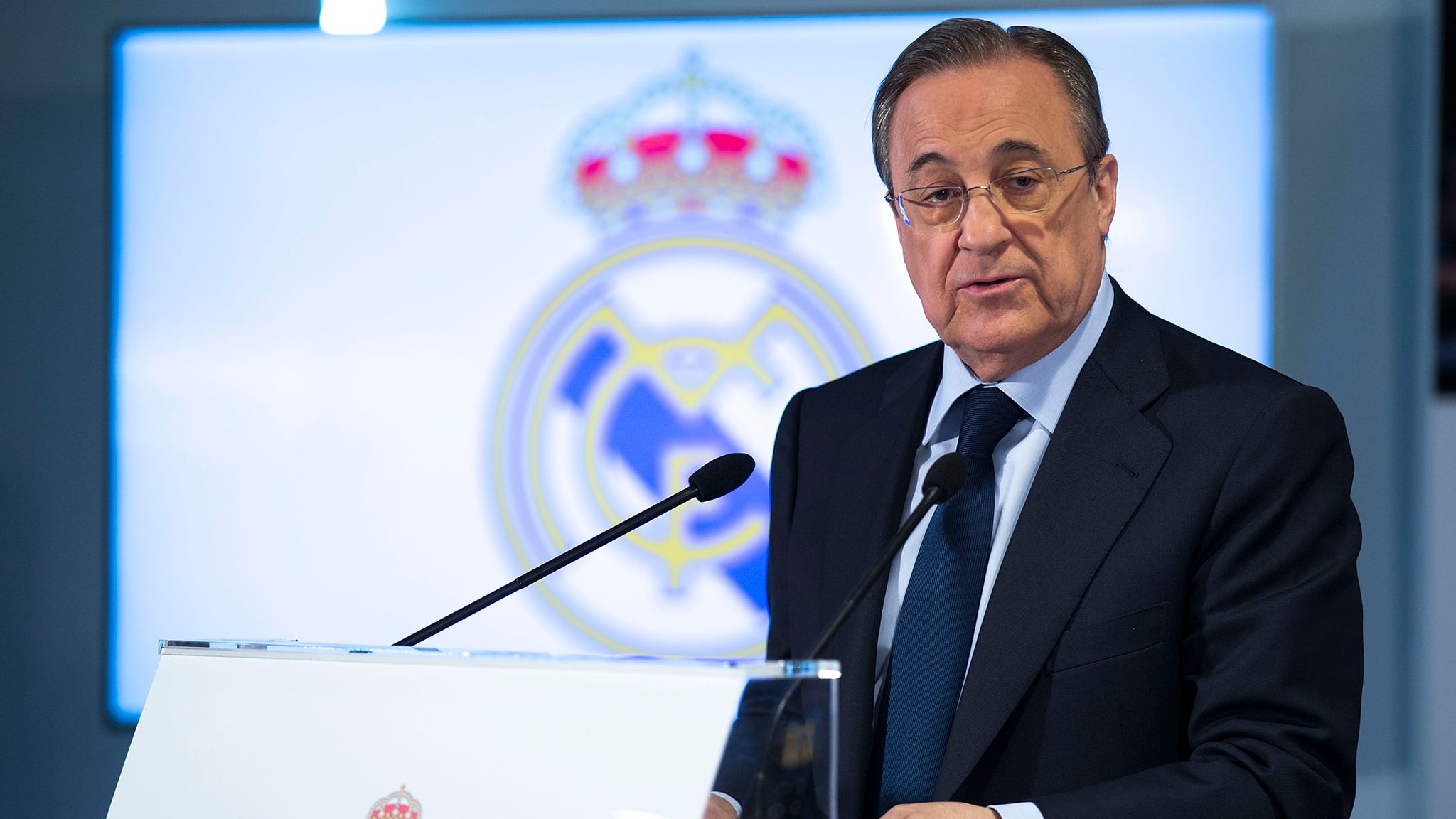
Mourinho’s previous tenure provided stability and intensity, but his relationships with players often frayed. By bringing him back, Pérez is prioritizing immediate authority over the long-term developmental project a coach like Klopp might have offered. It shows that Pérez values a known quantity who can handle the immense pressure of the Bernabéu over the uncertainty of a new tactical philosophy.
How does the Riquelme challenge change the club’s political landscape?
For nearly two decades, Pérez has been elected unopposed (2009, 2013, 2017, 2021, and 2025). The fact that this election was contested for the first time since 2006 proves that a faction of the membership is uneasy with the status quo.
Riquelme, at 37, represented a generational shift. His focus on signing Erling Haaland and Rodri showed a desire for a more modern, data-driven recruitment approach. Even though Pérez won, the existence of a viable challenger means the president can no longer govern by decree. He now has to justify his financial decisions—specifically the external investment plan—to a more critical electorate.
Comparing the Two Visions
| Feature | Pérez’s Vision | Riquelme’s Vision |
|---|---|---|
| Manager | José Mourinho | Jurgen Klopp |
| Key Targets | Konaté, Dumfries, €150M Star | Haaland, Rodri |
| Ownership | Sell 5% to external investors | Strictly member-owned |
Frequently Asked Questions
Who won the Real Madrid presidential election?
Florentino Pérez was re-elected, defeating candidate Enrique Riquelme in the club’s first contested vote since 2006.

What are Pérez’s immediate plans for the team?
He intends to bring back coach José Mourinho and sign players Ibrahima Konaté and Denzel Dumfries, along with a major “Galáctico” signing costing over €150 million.
Is Real Madrid being sold?
The club is not being sold entirely, but Pérez has proposed selling a 5% stake to an external investor, a move that requires a vote from the club members.
How successful has Pérez been as president?
According to club records, under Pérez’s leadership, Real Madrid has won seven Champions Leagues and seven LaLiga titles.
What do you think about the 5% sale?
Is it a smart financial move to keep Madrid competitive, or is it the beginning of the end for the socios model? Let us know in the comments below or subscribe to our newsletter for more deep dives into football finance.