
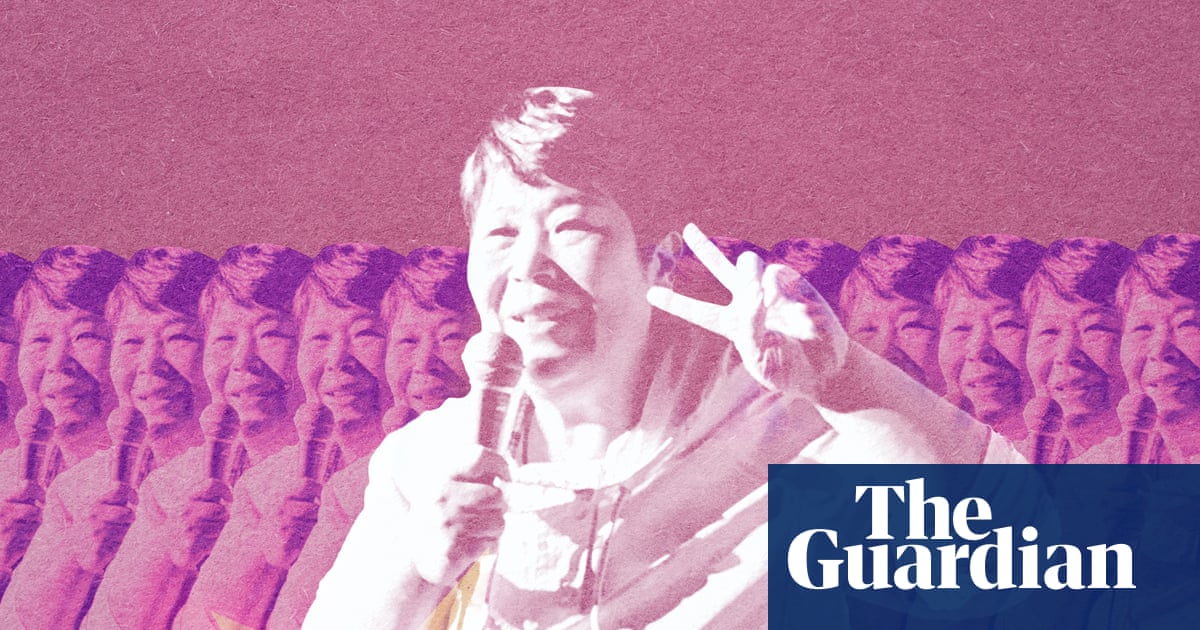
For women in China frustrated by sexism, female comics are offering a release | China
Female standup comedians in China are increasingly using observational humor to challenge traditional social norms, with the industry seeing a 50% increase in performances during the first half of 2025 compared to the previous year. While the genre offers a rare platform for discussing gender roles and individualism, performers must navigate strict government censorship regarding political topics and “gender antagonism,” according to reporting by The Guardian.
How Standup Comedy Became a Voice for Chinese Women
The rise of comedians like Fang Shaoli, a former factory worker who addresses the difficulties of marriage and domestic life, marks a shift in China’s performing arts scene. According to The Guardian, the genre has evolved from traditional cross-talk—a rapid-fire, two-person banter—into western-style observational comedy. This transition provides a release valve for women to discuss daily frustrations that are often overlooked in mainstream media. Professor Rose Luqiu of Hong Kong Baptist University notes that while comedians avoid explicit political critiques, their focus on personal independence and the choice to remain single aligns with broader shifts in how urban and rural women view their own roles in society.
Standup comedy revenues in China surged by 135% in the first half of 2025, signaling a massive consumer appetite for the genre despite the limited space for public discourse.
Where Do Performers Draw the Line on Censorship?
Comedians operating in China must adhere to strict, often shifting, boundaries to avoid state intervention. Taiwanese comedian Vickie Wang, who performed in Shanghai, stated that organizers explicitly warned against joking about politics, LGBTQ+ issues, or sensitive historical events like the 1989 Tiananmen Square massacre. Recent crackdowns have targeted content perceived as promoting “gender antagonism.” For example, The Guardian reports that e-commerce giant JD.com removed comedian Yang Li from an advertising campaign following backlash from male consumers, and performer Paziliyaer Paerhati was banned from Weibo after a joke about domestic chores.
Future Trends: Granular Comedy Over Systematic Critique
As authorities tighten their control over online feminist content, the future of Chinese standup appears headed toward “granular” storytelling. Rather than attempting to challenge state policy, performers are focusing on specific, relatable hurdles—such as workplace dress codes or the pressures of marriage. According to Wang, this strategy allows comedians to resonate with their audience while staying below the radar of censors. By keeping their material personal rather than political, these women are subtly expanding the boundaries of what is considered acceptable public speech in a restricted environment.
Pro Tips for Understanding the Chinese Comedy Scene
- Follow the Personal: Success in the current climate often comes to those who focus on lived experience rather than broad social commentary.
- Watch the Revenue: The 135% increase in box office earnings indicates that live performance remains a lucrative, albeit high-risk, space for artists.
- Monitor Online Sentiment: The removal of comedians from corporate sponsorships, as seen with Yang Li, serves as a primary indicator of where the state-sanctioned “red lines” currently sit.
Frequently Asked Questions
Why is standup comedy growing so rapidly in China?
According to industry data, the surge is driven by a demand for relatable content that reflects the daily lives and frustrations of modern citizens, particularly women navigating changing social expectations.

Can comedians talk about politics in China?
No. Performers are strictly prohibited from discussing government policy, sensitive historical events, or systemic political issues. Comedians who cross these lines risk being banned from platforms or losing commercial opportunities.
What is the biggest challenge for female comics in China?
The primary challenge is the risk of being accused of “stirring up discord between the genders.” This can lead to online harassment, loss of corporate sponsorships, and account bans on social media platforms like Weibo.
Are you interested in how digital culture is reshaping social discourse globally? Subscribe to our weekly newsletter to get the latest insights on arts and society delivered to your inbox.