
US-Iran Diplomacy: Proxies, Oil Markets, and the Path to Peace
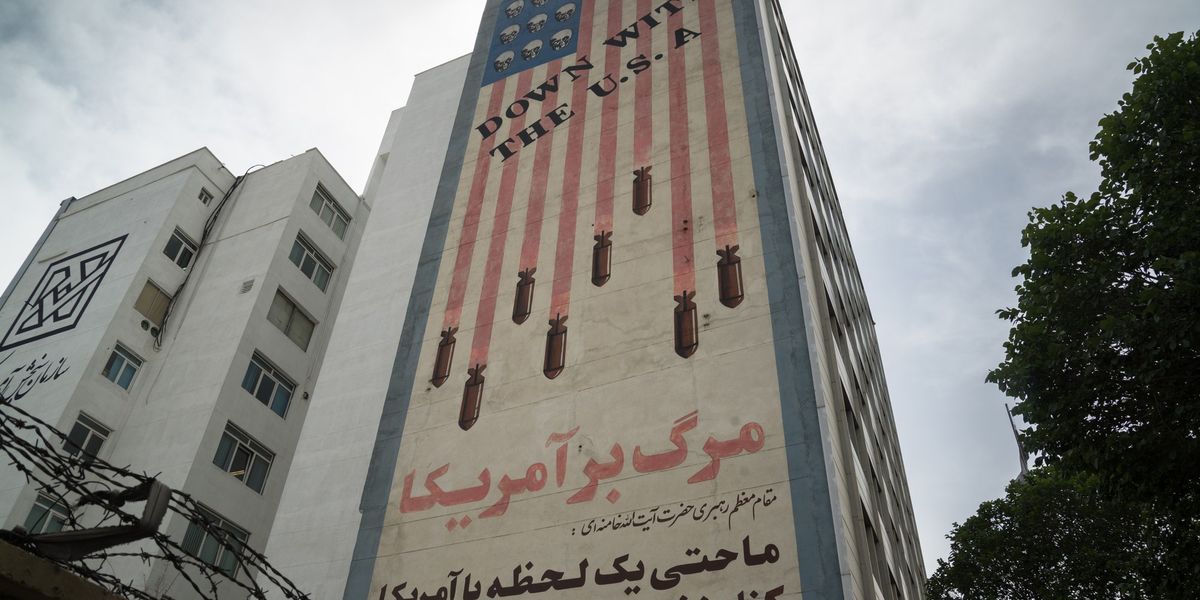
The United States and Iran are negotiating to end their conflict via a 14-point memorandum of understanding signed June 17. According to former National Intelligence Manager for Iran Norman Roule, Tehran seeks sanctions relief and the preservation of its regional proxies, utilizing asymmetric warfare tools after the destruction of its conventional military.
Why is the 14-point memorandum of understanding fragile?
The agreement aims to formally close the conflict within 60 days, but internal Iranian politics create significant hurdles. Norman Roule told The Cipher Brief that Tehran’s new government must prove it is strong and stable. The Supreme Leader cannot sign any document that makes the regime appear weak or as if it’s caving to the U.S.
Roule noted that for the regime, these negotiations involve “life and death issues.” Specifically, Iran requires financial relief to sustain its proxies and suppress nationwide unrest. Tehran views its nuclear program as its primary remaining leverage, making it unlikely to abandon the program quickly in exchange for sanctions relief.
How is Iran using asymmetric tools to maintain power?
Iran has shifted its entire strategic focus because its conventional military has been destroyed. Roule stated that the regime now relies exclusively on asymmetric tools: missiles, mines, drones, cyber capabilities, and regional proxies.
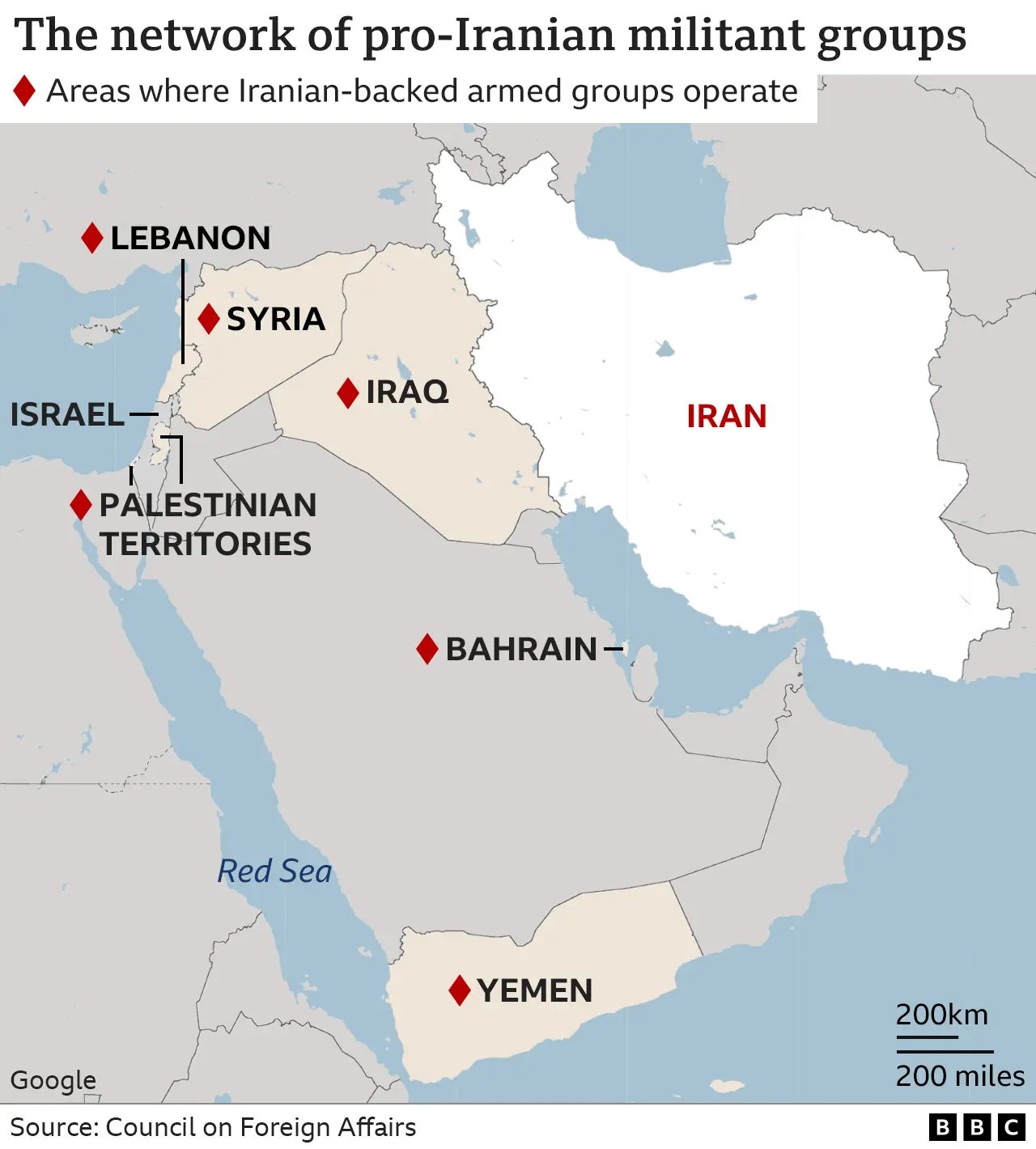
The Quds Force remains the primary manager of these tools. Roule described Iran as the “archetypical gray zone actor,” using these methods to project power without engaging in full-scale conventional war. He warned that any sanctions relief provided under the MOU could potentially flow directly to the Quds Force to fund these operations.
Conventional vs. Asymmetric Capabilities
- Conventional Military: Largely destroyed; no longer a primary tool for power projection.
- Asymmetric Arsenal: Includes the Houthis, Hezbollah, and Iraqi militias, alongside cyber and drone warfare.
What role does Lebanon play in U.S.-Iran negotiations?
Iran uses its influence in Lebanon to create friction between the United States and Israel. According to Roule, Tehran insists that Lebanon be part of any final agreement to ensure it retains regional power projection.

This creates a “Goldilocks zone” where Iran can manipulate the process. When Hezbollah fires rockets into Israeli cities, Israel responds. Iran then points to Israeli civilian casualties in Lebanon to paint Israel as the aggressor, which Roule says pressures the U.S. administration and creates diplomatic tension with Tel Aviv.
Will the Strait of Hormuz impact global oil prices?
Oil markets face a volatile near-term outlook due to mines in the Strait of Hormuz and shipping insurance hurdles. Roule predicts prices will stay in the high 70s or 80s in the short term as shipping slowly increases.
However, a price “bump” is likely in the medium term. Roule explained that global stockpiles have been drawn down significantly, and nations in Asia—where prices are already higher—must rebuild those reserves. He expects a security premium of roughly $10 to persist through late June and July.
What are the risks to GCC data and energy infrastructure?
Beyond oil, Iran poses a threat to the digital and physical infrastructure of the Gulf Cooperation Council (GCC). Roule highlighted the risk from Iraqi militias, which are trained and controlled by the IRGC. These militias threaten the billions of dollars in capital required to build pipelines from the GCC to Europe through Iraq.
Even more critical is the risk to undersea fiber optic cables in the Red Sea and the Strait of Hormuz. Roule pointed out that Iranian companies are often the only ones capable of repairing these lines. This gives Tehran the ability to control not just energy flow, but the flow of artificial intelligence and financial data between Europe and Asia.
Frequently Asked Questions
What is the 14-point memorandum of understanding?
It is a diplomatic framework signed on June 17 between the U.S. and Iran intended to end their current conflict within a 60-day window.
Why does Iran refuse to give up its proxies?
According to Norman Roule, proxies like Hezbollah and the Houthis are Iran’s primary tools for power projection and regional leverage since their conventional military was destroyed.
What is the “gray zone” in Iranian strategy?
Gray zone operations are activities that fall between normal diplomacy and open warfare, such as cyber attacks, proxy skirmishes, and maritime mining.
When will oil prices stabilize?
Short-term prices may dip, but Roule expects a medium-term increase due to stockpile replenishment, with a potential glut not occurring until 2027.
What do you think about the U.S. approach to the 14-point MOU? Should the U.S. push for harder concessions on proxies before granting sanctions relief? Let us know in the comments or subscribe to our newsletter for more national security analysis.