
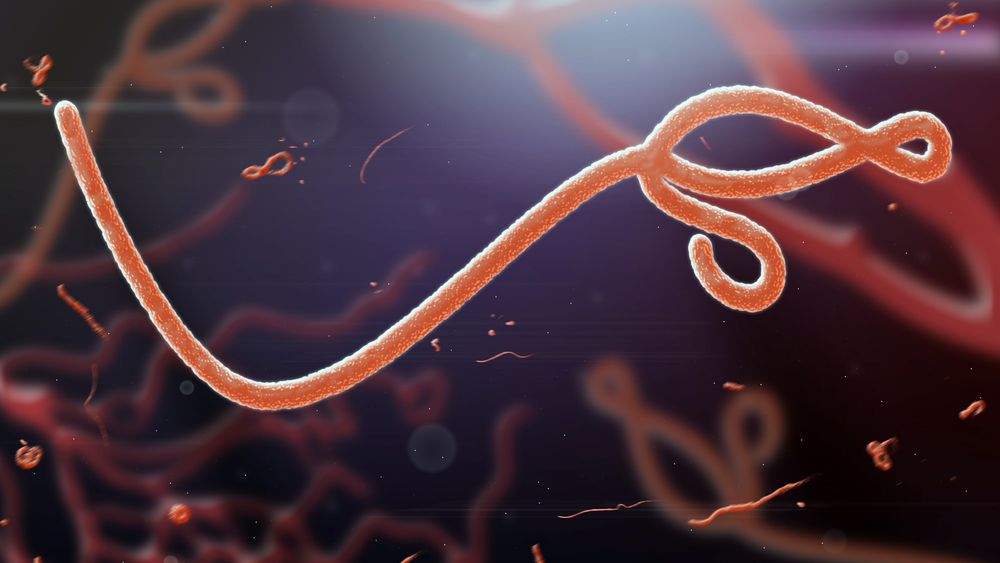
France Confirms First Ebola Case in Doctor Returning From Congo
French health authorities have confirmed the first case of Ebola on French soil, identified in a physician who recently returned from a humanitarian mission in the Democratic Republic of the Congo (DRC). According to the French Ministry of Health and Reuters, the patient is currently in stable condition and undergoing isolation at a specialized medical facility while officials conduct contact tracing to mitigate further transmission risks.
How is France managing the risk of transmission?
The French Ministry of Health, as reported by Agence France-Presse (AFP), has implemented a strict 21-day quarantine protocol for all individuals identified as having been in contact with the patient. Health officials are actively tracking these individuals to ensure they remain under constant medical supervision. While the risk to the general European public remains classified as “very low” by the European Centre for Disease Prevention and Control (ECDC), the government has initiated heightened monitoring protocols to prevent any local spread.

This incident marks the first time a case of Ebola has been diagnosed within France. Previous instances of potential exposure, including cases reported in Italy and Brazil, were ultimately ruled out by health authorities.
What is the current status of the Ebola outbreak in the DRC?
The current outbreak, which the World Health Organization (WHO) identifies as the fourth-largest in history, has claimed at least 277 lives in the DRC. According to official government data, there have been 1,094 confirmed cases of the virus. The epidemic is primarily concentrated in the Ituri province, which accounts for over 90% of all cases, though the virus has also spread into the North and South Kivu provinces and across the border into Uganda, where two deaths have been recorded among 20 cases.
Why is this specific strain difficult to treat?
This outbreak is driven by the Bundibugyo variant of the Ebola virus. Unlike other strains, there is currently no internationally approved vaccine or specific medical treatment for this variant, according to WHO documentation. Public health efforts are further complicated by regional armed conflicts and the presence of overcrowded refugee camps, which hinder contact tracing and containment strategies.
How do current containment efforts compare to previous epidemics?
The management of this outbreak differs significantly from the 2010 West African epidemic. During that period, France recorded two cases of Ebola, but both were diagnosed abroad before patients were transported to French facilities. In contrast, the current case was identified and isolated upon return, reflecting an evolution in international border health surveillance. While current case numbers in the DRC remain high, the global health community is utilizing more robust diagnostic and monitoring frameworks than were available a decade ago.
For the most current information on travel advisories and health risks, always consult the European Centre for Disease Prevention and Control (ECDC) or the World Health Organization (WHO) rather than relying on unverified social media reports.
Frequently Asked Questions
- Is Ebola currently considered a pandemic in Europe? No. The ECDC classifies the risk of infection for the general European public as “very low.”
- How long is the incubation period for Ebola? The standard medical observation period for those exposed to the virus is 21 days.
- Can the current Ebola strain be treated with existing vaccines? No. The Bundibugyo variant identified in this DRC outbreak currently lacks a specific approved vaccine.
Are you concerned about international health security measures? Share your thoughts in the comments below or subscribe to our health briefing to stay updated on emerging infectious disease trends.