French Jewish lawyers warn proposed Israel sanctions fuel antisemitism
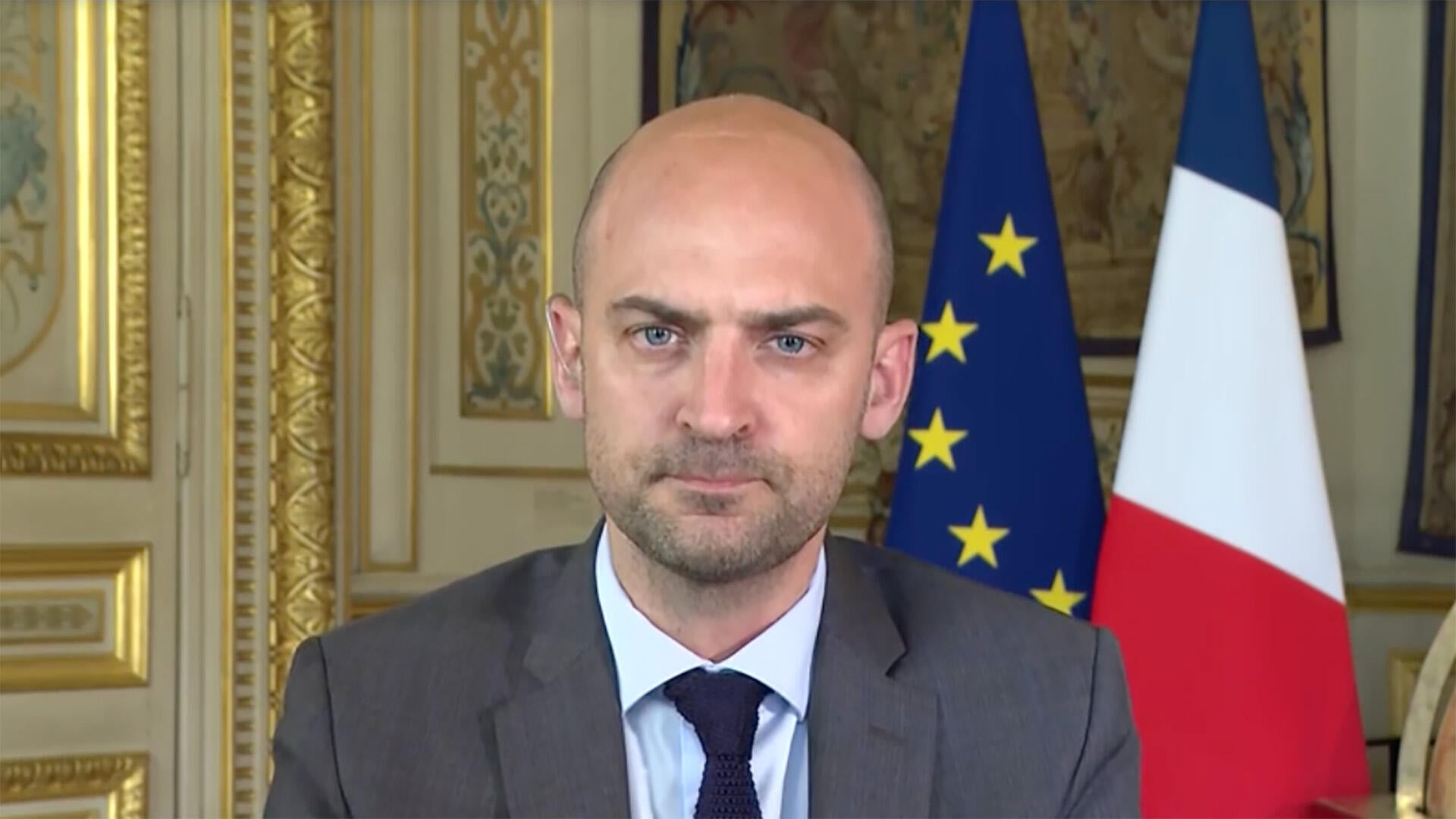
France is currently spearheading a push for coordinated national sanctions against specific Israeli individuals linked to violence in the West Bank, a move that critics warn could alienate the French Jewish community and embolden adversaries of the state. Foreign Minister Jean-Noel Barrot confirmed that Paris is working with European partners on measures including travel bans and asset freezes, citing “extreme concern” over settler activity. Legal experts and community leaders argue this policy shift creates a dangerous double standard, particularly when compared to France’s diplomatic treatment of nations with documented human rights records.
Why are French Jewish leaders concerned about these sanctions?
French Jewish MP and jurist Caroline Yadan argues that the proposed sanctions signal a breakdown in the historical relationship between France and Israel. According to Yadan, the policy shift—which includes the exclusion of Israeli firms from the Eurosatory trade fair—feels like a hostile pivot rather than a balanced diplomatic approach. Many in the community view these measures as an “asymmetry” in foreign policy. While France moves to penalize Israeli individuals, Yadan points out that other nations, such as Algeria, Turkey, and Qatar, continue to receive conciliatory economic and diplomatic treatment despite major concerns regarding political repression and support for extremist movements.

How does this impact the future of the French Jewish community?
The sentiment within the French Jewish community is shifting from concern to necessity regarding emigration. Nili Kupfer-Naouri, founder of the charity Israel Is Forever, describes the current trajectory as a “catastrophe” for French Jews. She argues that by targeting individuals in the “cradle of Jewish civilization,” the French government is inadvertently fueling domestic antisemitism. For many French Jews, Israel is not merely a foreign policy issue but a core component of their identity and personal security. Kupfer-Naouri contends that “massive aliyah” is no longer just an ideal, but a survival strategy in an increasingly hostile environment.

What are the inconsistencies in current French policy?
Critics highlight a clear disconnect between France’s stated conditions for Palestinian statehood and its actual diplomatic actions. Caroline Yadan notes that France previously set strict benchmarks for the Palestinian Authority, including the exclusion of Hamas, the reform of governance, and the abandonment of “pay-for-slay” policies. None of these conditions have been met, yet there have been no corresponding sanctions or funding suspensions. This creates a perception of a “double standard” that Yadan believes is being leveraged by the far-left as an electoral strategy, further isolating Jewish citizens who feel their security concerns are being ignored.
Frequently Asked Questions
- Are these sanctions currently in effect? No, the measures are in the planning stage, with Foreign Minister Jean-Noel Barrot indicating that new sanctions could be finalized in the coming days.
- Do these sanctions represent the entire European Union? Not necessarily. Because the EU has previously blocked tougher measures against Israel, France is working with a smaller coalition of European countries to implement these as national-level actions.
- What is the primary criticism from the French Jewish community? The primary critique is the perceived “double standard” or differential treatment, where Israel is penalized while other nations with worse human rights records are treated with more leniency.
What is your perspective on the shifting diplomatic ties between France and Israel? Share your thoughts in the comments below or subscribe to our weekly intelligence briefing for in-depth analysis on Middle Eastern foreign policy.