
Luxury Japanese Silkie Chicken Eggs: Are They Worth the Price?
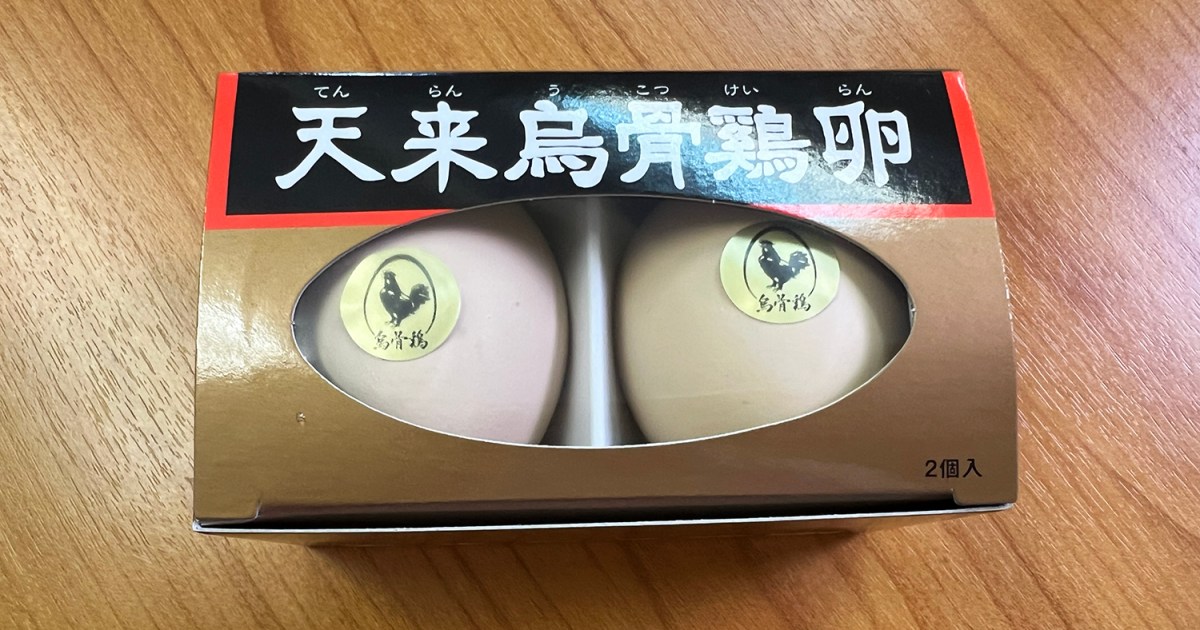
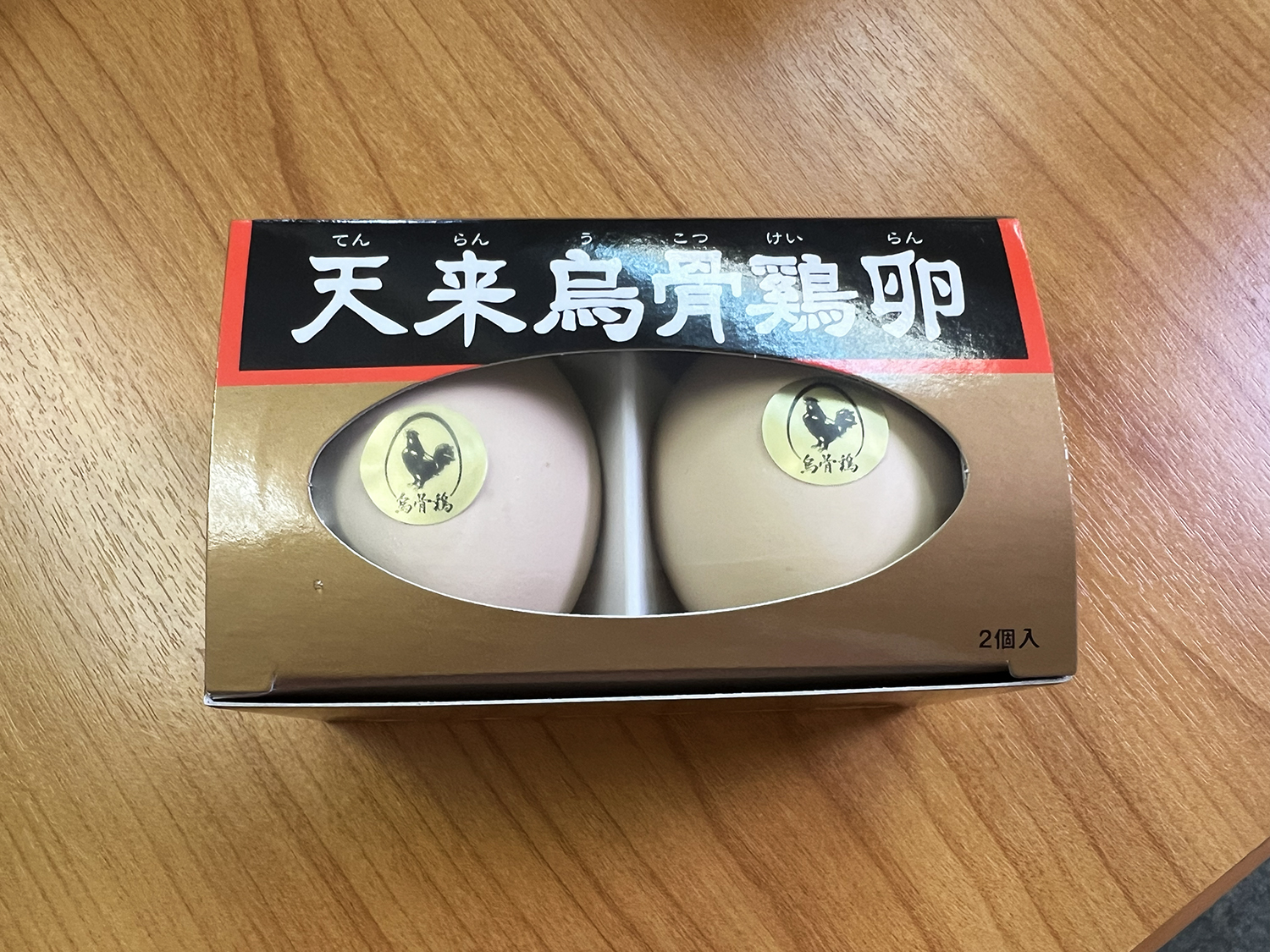
SoraNews24 reporters found that luxury “Tenran Ukokkei” Silkie chicken eggs, priced at 756 yen each, tasted nearly identical to standard 36-yen supermarket eggs when boiled. While one tester noted a “springy” texture in the egg white, the majority could not distinguish the flavor of the yolks across different price points.
Why do luxury Silkie chicken eggs cost 21 times more than standard eggs?
The price gap stems from the difficulty of husbandry and low production volume. According to SoraNews24, the “Tenran” brand eggs come from Silkie chickens raised by the Kanazawa-based company Ukokkei in Ishikawa Prefecture.
Silkie chickens are harder to raise than commercial breeds and produce significantly fewer eggs. This scarcity transforms the product from a staple food into a luxury gift item. In a recent price comparison conducted by SoraNews24, these eggs sold for 1,512 yen for a two-pack at the Isetan department store in Shinjuku, while standard supermarket eggs cost roughly 366 yen for a 10-pack.
Does the flavor justify the premium price tag?
For most testers, the answer was no. SoraNews24 reporters Seiji Nakazawa, Go Hatori, and Mr. Sato conducted a blind taste test using boiled eggs to compare three varieties: the 756-yen Tenran Ukokkei, the 118-yen Nagoya Cochin, and the 36-yen standard egg.
The results showed that the yolks—typically the primary benchmark for egg quality—tasted nearly identical across all three tiers. Reporters Seiji and Go stated they wouldn’t be able to tell the eggs apart in a blind tasting, even after adding salt to enhance the richness.
Price vs. Taste Comparison
| Egg Variety | Price per Egg | Taste Verdict |
|---|---|---|
| Tenran Ukokkei | 756 yen | Indistinguishable yolk |
| Nagoya Cochin | 118 yen | Mid-tier, similar taste |
| Standard Supermarket | 36 yen | Baseline flavor |
How does the texture differ between premium and budget eggs?
While the flavor remained consistent, the “mouthfeel” of the egg white provided the only point of contention. Mr. Sato reported that the Tenran Ukokkei eggs possessed a “uniquely springy yet delicate egg white” that almost melted in the mouth.
Another reporter, Go, noted that the texture of the premium egg white reminded him of pidan, or “century eggs,” a traditional preserved egg from China. However, these textural differences weren’t universal; other testers in the group could not perceive the same distinction.
What happens next for the luxury egg market?
This experiment highlights a growing trend in the Japanese “gift economy,” where the value of a product is tied more to the prestige of the brand and the difficulty of production than to a perceptible difference in taste. This mirrors the market for high-end fruits, such as the luxury melons often found in Ginza department stores.
The discrepancy between the 756-yen egg and the 36-yen egg suggests that consumers aren’t paying for a flavor upgrade, but for the exclusivity of the Silkie breed. The real test of value remains the raw tasting, as the boiling process may have skewed the results by neutralizing the proteins that create different textures.
Frequently Asked Questions
Are Silkie chicken eggs healthier than regular eggs?
The provided reports focus on price and taste rather than nutritional content; however, they are marketed as luxury items due to the difficulty of raising the chickens.

Why is the Nagoya Cochin egg considered mid-tier?
At 118 yen per egg, it sits between the budget supermarket egg and the ultra-premium Silkie egg, representing a premium Japanese breed that is more accessible than the Tenran brand.
Does the cooking method affect the taste of luxury eggs?
Yes. SoraNews24 reporters noted that boiling the eggs might have skewed the results, leading them to conduct a secondary test using raw eggs over rice to see if the flavor profile changed.
Do you think a “springy” texture is worth a 2,000% price increase? Let us know in the comments or share your experience with luxury Japanese produce below.