
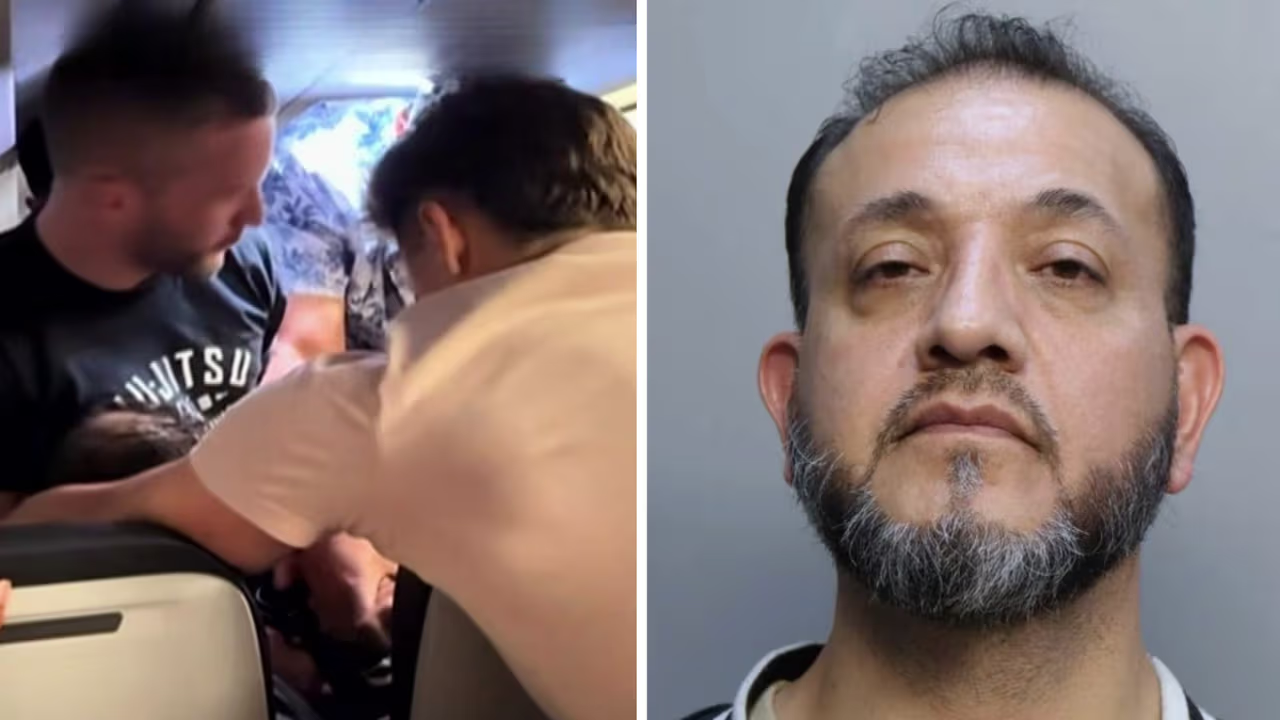
Frontier Airlines Passenger Faces 21 Years in Prison After Attempting to Open Plane Door
Mid-Air Chaos: The Rising Crisis of Unruly Passengers and the Future of Aviation Security
Flying at 30,000 feet requires a delicate balance of trust between passengers and crew. However, recent events—such as the harrowing incident on a Frontier Airlines flight where a passenger attempted to open a cabin door and assault a flight attendant—have cast a spotlight on the growing trend of “air rage.”
The Escalating Threat: Why In-Flight Incidents Are Spiking
Aviation security experts are noting a concerning uptick in disruptive behavior. While the incident involving Juan Gabriel Reyes, who now faces over two decades in federal prison, serves as an extreme example, it is part of a broader systemic issue. According to the Federal Aviation Administration (FAA), reports of unruly passengers have remained significantly higher than pre-2020 levels, driven by a volatile mix of travel stress, substance use, and mental health challenges.
Did you know?
Under federal law, interfering with a flight crew is a serious felony. Offenders can face up to 20 years in prison and massive civil penalties that often exceed $30,000 per violation.
The Rise of the “Citizen Protector”
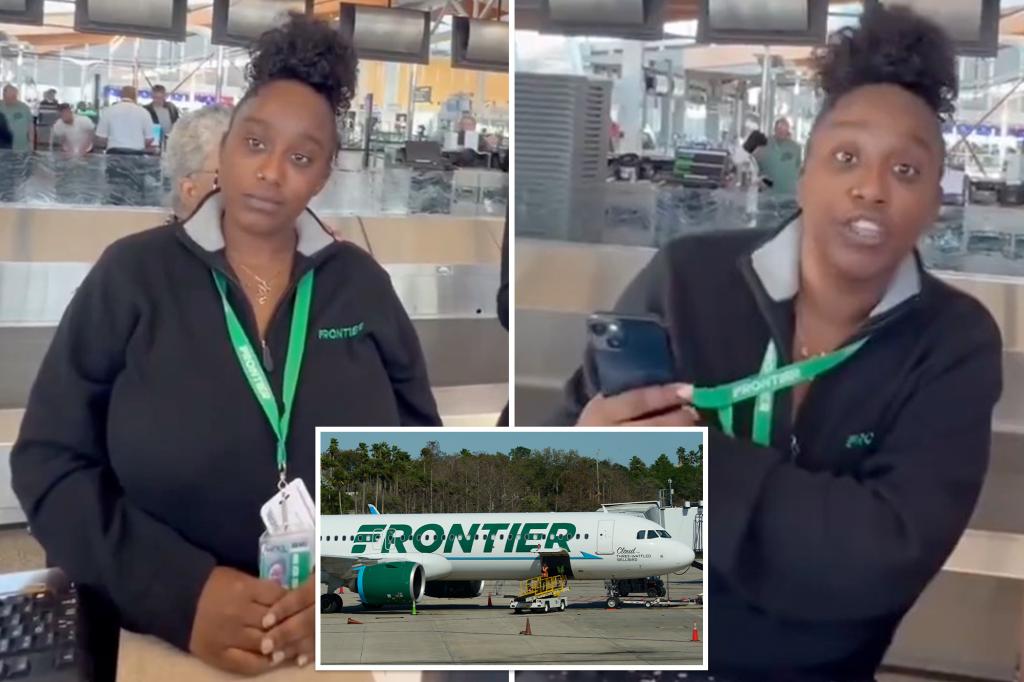
In the Frontier Airlines incident, the intervention of a trained MMA fighter was the difference between a minor disruption and a potential catastrophe. As air travel becomes more crowded, we are seeing a rise in “citizen protectors”—passengers with backgrounds in law enforcement, military, or martial arts who step in when safety is compromised.
Pro Tip: Situational Awareness
Always identify the location of the nearest emergency exit and the flight attendant call button as soon as you board. Being aware of your surroundings is your first line of defence during any travel emergency.
.jpg/330px-Frontier_Airlines_Boeing_737-36Q%3B_N305FA%2C_April_1998_DUO_(5288538388).jpg "Frontier Airlines Passenger Faces Enhanced Training for Crew")
Future Trends in Aviation Safety
To combat these threats, airlines are exploring several technological and procedural shifts:
- AI-Driven Behavioral Analytics: Using data to identify potentially disruptive passengers during the check-in process.
- Enhanced Training for Crew: Moving beyond service training to include advanced de-escalation and self-defense tactics.
- Blacklisting Databases: A push for a centralized, industry-wide no-fly list for passengers who commit violent acts, regardless of the airline.
Frequently Asked Questions (FAQ)
What should I do if I see a disruptive passenger?
Do not intervene physically unless absolutely necessary. Alert a flight attendant immediately and provide a detailed description of the behavior.
Can airlines legally ban passengers for life?
Yes. Private airlines reserve the right to refuse service to any individual who violates safety policies or poses a threat to the crew or other travelers.
Are there specific legal consequences for interfering with a flight?
Yes. Interfering with a flight crew is a federal offence under U.S. Law, often leading to heavy fines and lengthy prison sentences.
Stay Informed on Travel Safety
Want more insights on aviation security and travel tips? Subscribe to our newsletter to receive the latest updates directly in your inbox.