
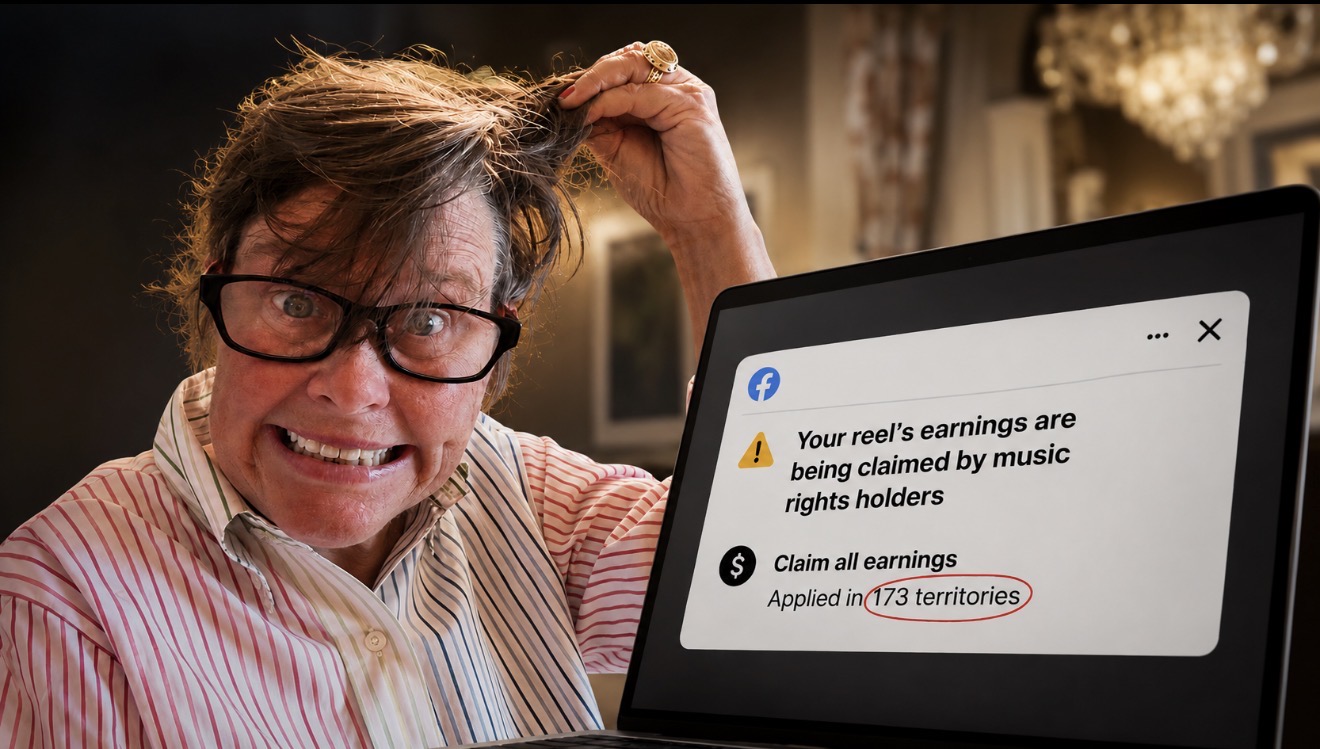
Why Are Facebook and Instagram Music Libraries Still Triggering Claims?
Social media creators are increasingly facing retroactive copyright claims on older video content, even when the music was sourced directly from official platform libraries. According to recent reports from The Zebra Press, rights holders are now targeting long-posted Reels to claim monetization earnings, revealing a gap between platform-provided music access and permanent monetization rights.
Why do licensed songs suddenly trigger copyright claims?
Meta’s music libraries are designed for content creation rather than long-term monetization guarantees. According to Meta’s Help Center, licensing agreements are subject to change based on territory, account type, and shifting contracts between the platform and rights holders. When a contract expires or a territorial restriction is updated, a song that was previously “safe” may suddenly become ineligible for revenue sharing. Consequently, creators often receive automated notices that earnings from years-old videos are being redirected to copyright owners.
Rights holders can claim revenue on your videos even if the song was officially provided by the platform’s library at the time of posting. Access to a library does not equate to a perpetual license for monetization.
Can creators secure permanent rights for social media music?
Creators seeking to avoid retroactive copyright strikes can utilize commercial music licensing services. Platforms such as Epidemic Sound, Artlist, and Soundstripe offer subscription-based models that provide clearer usage terms. Unlike the free libraries built into social platforms, these services typically provide a license that covers the video for the duration of the subscription, offering a higher degree of protection against claims. Monthly costs for these services generally range from $10 to $50, depending on the tier of service and commercial requirements.
How to protect your content from future monetization loss
The uncertainty surrounding platform-provided music has led many professional creators to adopt a “self-licensed” strategy. To minimize risk, consider these steps:

- Review License Terms: Always verify if a song is cleared for commercial use or only personal use.
- Use Dedicated Services: Shift toward third-party licensing platforms where the terms are explicitly stated in a contractual agreement.
- Monitor Notices: Regularly check your “Creator Studio” or “Professional Dashboard” for copyright notifications to address issues before they impact account standing.
Frequently Asked Questions
Does using music from the Facebook library guarantee my video will never be demonetized?
No. Meta notes that licensing agreements vary by territory and time. Music that is monetizable today may have its revenue redirected to rights holders if agreements change later.
What is the difference between a copyright claim and a copyright strike?
A copyright claim usually results in the loss of monetization or the redirection of earnings to the rights holder. A strike is a more severe penalty that can lead to video removal or account restrictions.
Are commercial music services worth the cost?
For creators who rely on consistent, long-term monetization, commercial services provide a clear, contractual agreement that standard platform libraries currently lack.
Have you received a copyright notice on a video you thought was safe? We are tracking these experiences to better understand how platform policies affect creators. Share your story in the comments below or contact our newsroom to contribute to our ongoing coverage.