
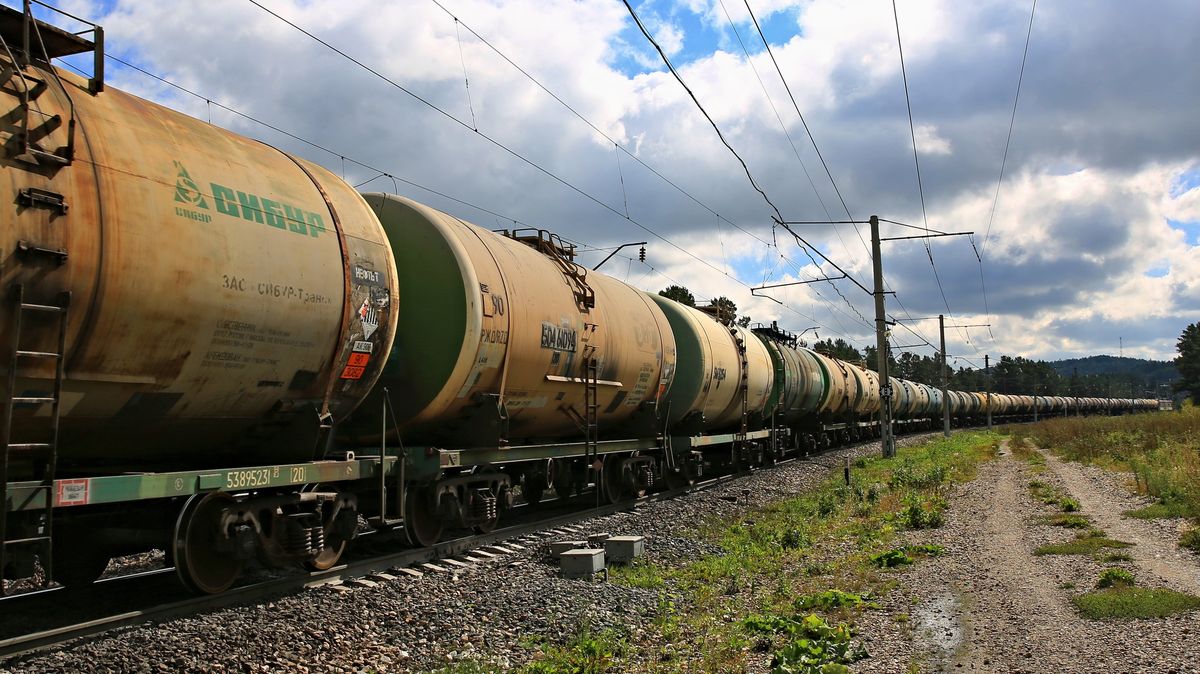
Fuel Shortages and Rationing Hit Russia After Air Attacks on Energy Firms
Russian fuel shortages in southern regions, including Crimea and Krasnodar, are driven by targeted Ukrainian drone attacks on energy infrastructure and supply lines. According to the Russian Energy Ministry and TASS, these disruptions have forced authorities to implement fuel rationing and ban cash payments at some stations to manage dwindling stocks.
The fragility of the Russian energy grid is no longer a theoretical risk; it’s a daily reality for motorists from the Black Sea to the Finnish border. When the Russian Energy Ministry admitted that “enemy air attacks” were causing “temporary difficulties” with fuel deliveries, it confirmed a shift in the conflict’s geography. The target isn’t just the front line—it’s the logistics that keep the country moving.
Why are fuel shortages spreading from Crimea to Moscow?
The disruption started at the source. Ukrainian drones targeted the primary supply routes crossing occupied Ukrainian territories, effectively choking the flow of fuel into Crimea. Because Crimea relies heavily on these corridors, the impact was immediate. However, the energy grid is an interconnected web. When one region faces a deficit, it puts pressure on neighboring reserves.
According to reports cited by TASS, the instability didn’t stay in the south. Rationing and delivery delays began appearing in the Moscow and St. Petersburg regions, as well as the Tverskaya and Yaroslavskaya oblasts. This suggests that the Russian government is struggling to reroute supplies fast enough to compensate for the losses in the south.
How is the Russian government managing the fuel crisis?
The response has been a mix of emergency bureaucracy and strict rationing. The Ministry of Energy established a specialized headquarters involving all major Russian energy companies to stabilize the complex. Meanwhile, on the ground, the measures are far more drastic.
In Crimea, Sergei Aksyonov, the Russian-appointed head of the peninsula, took the extreme step of banning cash payments for gasoline. This move is likely intended to curb panic buying and “grey market” hoarding. Furthermore, authorities implemented a 20-liter limit per vehicle and a total ban on filling canisters—a restriction that motorists claim is now appearing in other parts of Russia as well.
What are the future trends for energy infrastructure security?
We’re seeing a transition toward “infrastructure attrition.” Instead of focusing solely on military hardware, the strategy has shifted toward the “veins” of the economy. If the trend continues, we can expect three main developments:
1. Decentralization of Storage: Russia will likely move away from massive, centralized fuel hubs that are easy targets for drones, opting for smaller, dispersed depots. This is a costly and slow transition.
2. Increased Digital Surveillance: The ban on cash in Crimea isn’t just about hoarding; it’s about data. By forcing digital payments, the state can monitor consumption patterns in real-time and identify who is buying more than their share.
3. Logistics Fragility: As seen with the TASS reports, the “last mile” of delivery is the weakest link. Even if refineries are working, the drones targeting the transport routes create “fuel deserts” in specific regions.
Comparison: Regional Impact Levels
| Region | Restriction Level | Key Measure |
|---|---|---|
| Crimea | Critical | Cash ban, 20L limit, no canisters |
| Southern Russia | High | Long queues, delivery delays |
| Moscow/St. Pete | Moderate/Sporadic | Occasional intake limits |
Presidential spokesperson Dmitry Peskov has dismissed reports of shortages as “unjustified nonsense,” yet the creation of a crisis headquarters suggests the Kremlin knows the situation is precarious. This disconnect between official rhetoric and operational reality is a hallmark of the current Russian administrative approach to the conflict.
Frequently Asked Questions
Why is there a fuel shortage in Southern Russia?
According to the Russian Energy Ministry, Ukrainian drone attacks on energy firms and supply routes have disrupted the delivery of fuel, particularly in Crimea and neighboring regions.
Are there fuel limits in Moscow?
Yes, some reports indicate that certain gas stations in Moscow, St. Petersburg, and surrounding oblasts have begun implementing intake limits due to supply chain instability.
Can you buy gasoline with cash in Crimea?
No. According to Sergei Aksyonov, cash payments for gasoline were banned to manage supplies and prevent hoarding.
For more analysis on global energy security and the impact of asymmetric warfare on logistics, check out our latest reports on Energy Security Trends or visit Reuters for real-time geopolitical updates.
Join the Conversation
Do you think targeting energy infrastructure is the most effective way to pressure a modern economy? Let us know your thoughts in the comments below or subscribe to our newsletter for deep-dive geopolitical analysis.