

G7 Summit: US and EU to Produce Long-Range Missiles in Ukraine
The G7 nations agreed at the Evian summit on June 17, 2026, to produce long-range missiles and air defense systems under license within Ukraine. According to a joint declaration, this initiative aims to accelerate Ukraine’s domestic military production and increase pressure on Russia through strengthened sanctions and enhanced defense capabilities.
How will licensed weapon production change Ukraine’s military capacity?
Ukraine will now produce long-range strike capabilities and anti-aircraft systems on its own soil using licenses from the U.S. and European G7 members. This shift moves Ukraine from a reliance on foreign deliveries to a domestic manufacturing model.
A diplomatic source cited by 20 Minutes described the move as a “very strong engagement” designed to allow Ukraine to produce weapons “faster and stronger.” The joint declaration specifically commits members to increasing the supply of interceptors and air defense systems to protect Ukrainian infrastructure.
What is the current status of peace negotiations between Ukraine and Russia?
The 27 member states of the European Union are currently evaluating how to restart peace talks, as several European officials report that Russia is now on the defensive. While the EU maintains it is not a formal mediator, it continues to support Ukraine’s pursuit of a “just and durable peace.”
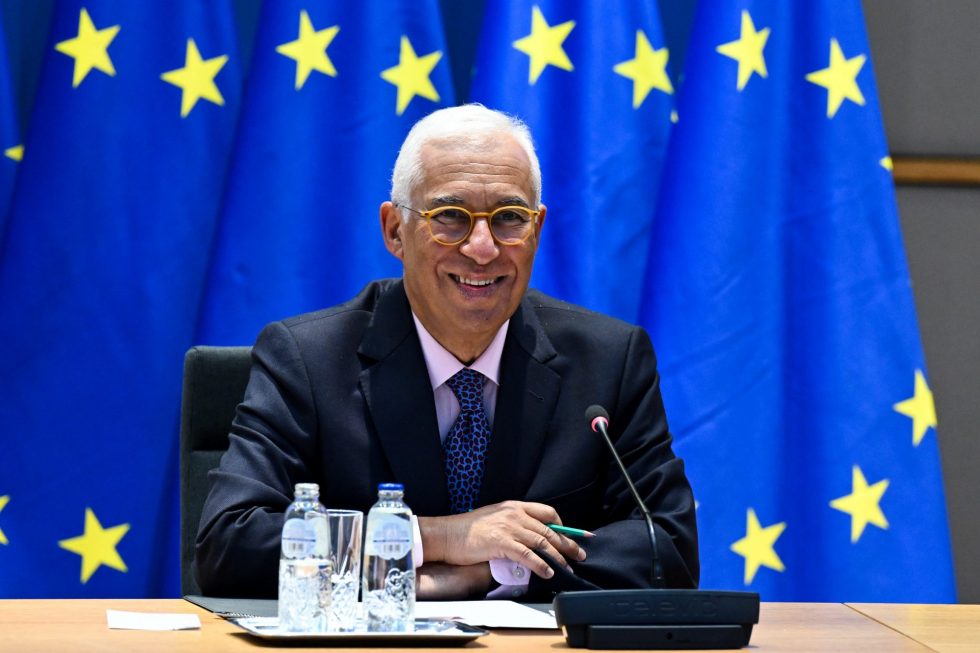
Diplomatic channels remain limited. According to a European official, the office of European Council President António Costa has had “brief contacts” with the Kremlin to establish communication lines. However, the official clarified that no substantive discussions on the conflict’s resolution have taken place.
This cautious approach reflects a strategic tension: the need to maintain diplomatic openings while simultaneously scaling up military production. For more on diplomatic strategies, see our guide on international conflict resolution.
Why is Donald Trump’s stance on Ukraine shifting?
During the Evian summit, Donald Trump demonstrated an unexpected pivot toward supporting Ukraine. The Republican billionaire, who has previously claimed proximity to Vladimir Putin, participated in an extended, improvised discussion with the presidents of France and Ukraine.
Trump’s shift is marked by two concrete actions reported by 20 Minutes:
- He signed the joint G7 declaration regarding the licensed production of long-range missiles and air defense systems.
- He vaguely suggested the possibility of reinstating sanctions on Russian oil.
This behavior contrasts with Trump’s historical tendency to ignore or reject the final communiqués of major diplomatic summits.
What happens next with G7 sanctions on Russia?
The G7 intends to increase economic pressure on the Kremlin. The French President stated that members have committed to “strengthening our sanctions” to further isolate the Russian economy.
The potential return of strict oil sanctions, hinted at by Donald Trump, would target Russia’s primary revenue stream. If implemented, this would align the U.S. more closely with European sanctions regimes, closing loopholes that have persisted since the start of the war.
According to the French presidency, the level of convergence among the seven leaders is unprecedented, suggesting that future sanctions will be more coordinated and harder for Russia to circumvent.
Frequently Asked Questions
What does “production under license” mean?
It means the G7 countries provide the blueprints, technology, and legal permission for Ukraine to build Western weapons in its own factories rather than importing finished products.
Is the EU mediating the war?
No. According to European officials, the EU supports Ukraine’s efforts but does not act as a formal mediator between Kyiv and Moscow.
Which weapons are being produced in Ukraine?
The agreement focuses on long-range missiles (strike capabilities in depth) and air defense systems, including interceptors.
What are your thoughts on the shift toward domestic weapon production in conflict zones? Share your perspective in the comments below or subscribe to our newsletter for daily geopolitical updates.