
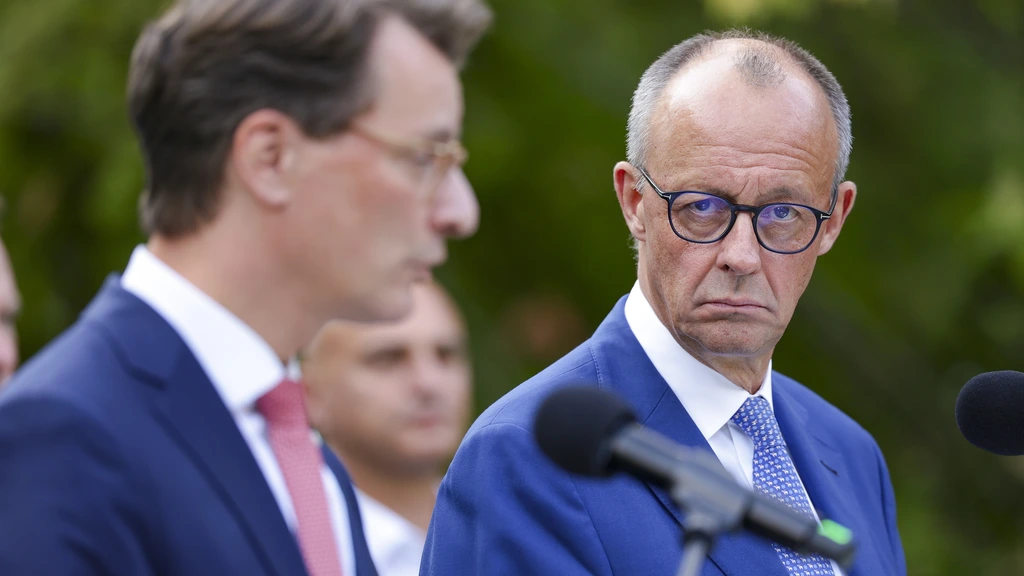
German Chancellor Friedrich Merz Faces Growing Replacement Speculation
Speculation is mounting within German political circles regarding the future of Chancellor Friedrich Merz. While the public discourse should be focused on government reforms, the narrative has shifted toward whether the 70-year-old leader should be replaced.
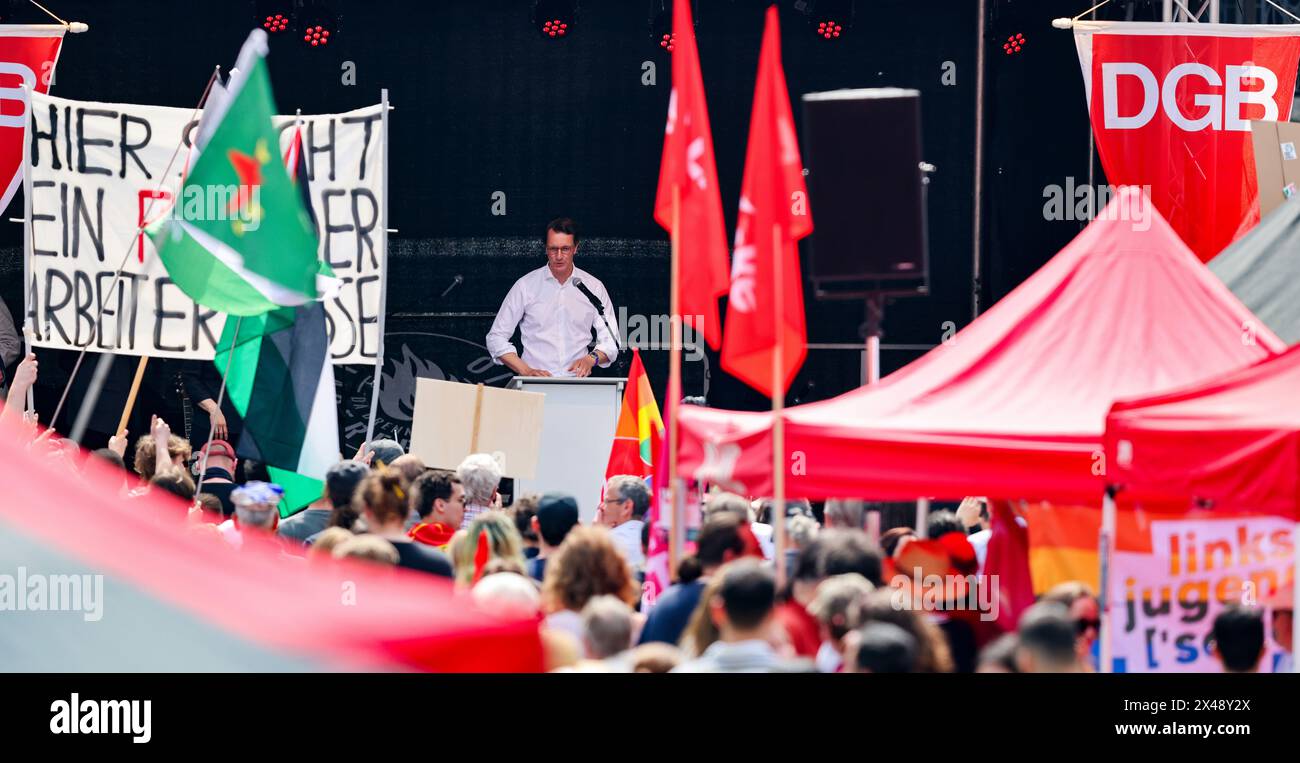
The primary alternative being discussed is Hendrik Wüst, the 50-year-old state premier of North Rhine-Westphalia. Wüst is viewed as a popular figure and a man of the middle, contrasting with the right-conservative stance of Merz.
Internal Friction and Leadership Challenges
Chancellor Merz has publicly dismissed these speculations, asserting that a coalition with the SPD is the only viable constellation. He has stated that he is not considering any alternatives at this time.
However, reports from Table.media suggest Merz is privately furious. He reportedly believes that the speculation surrounding Wüst undermines his authority and potentially benefits the right-radical AfD.
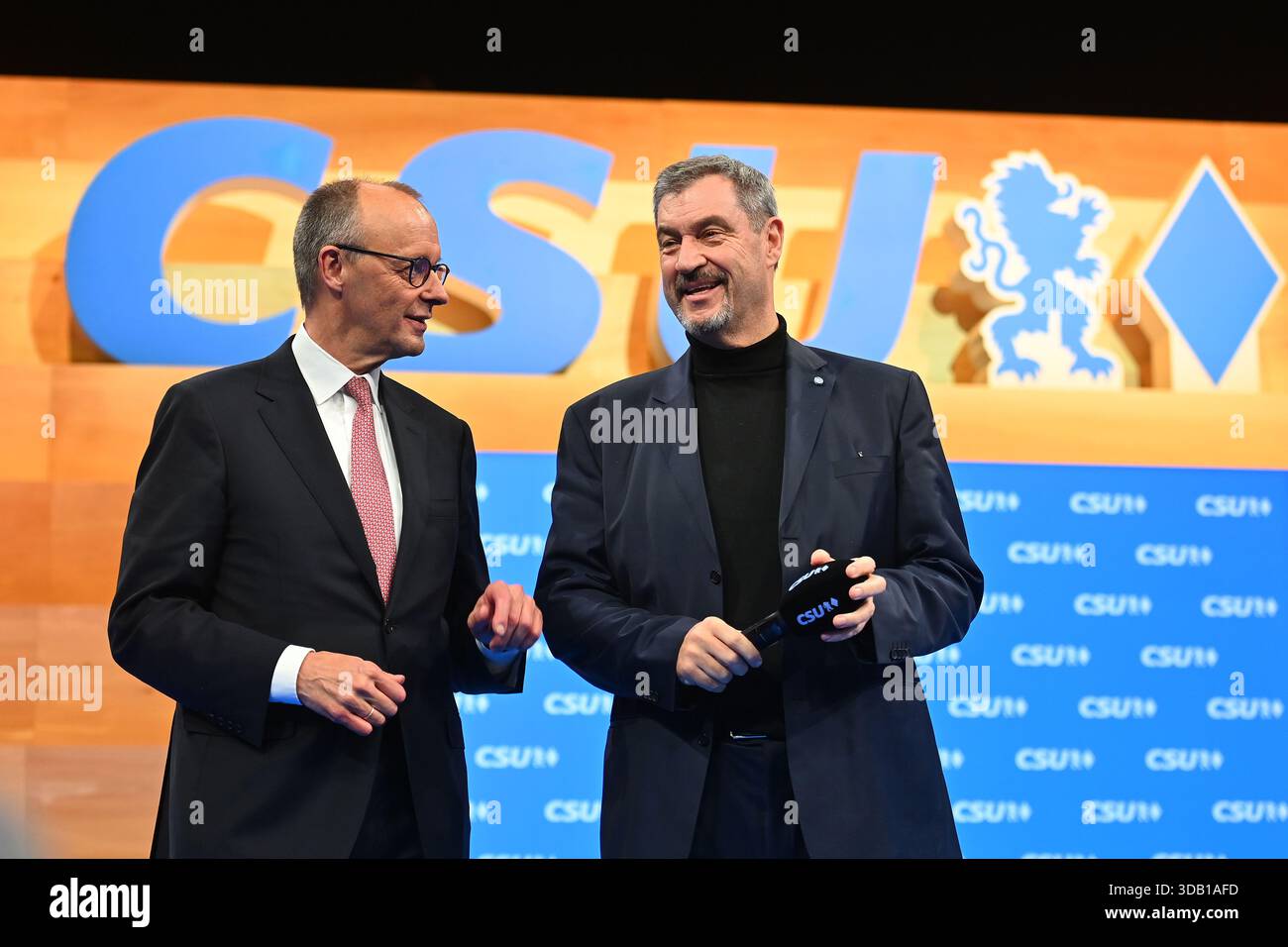
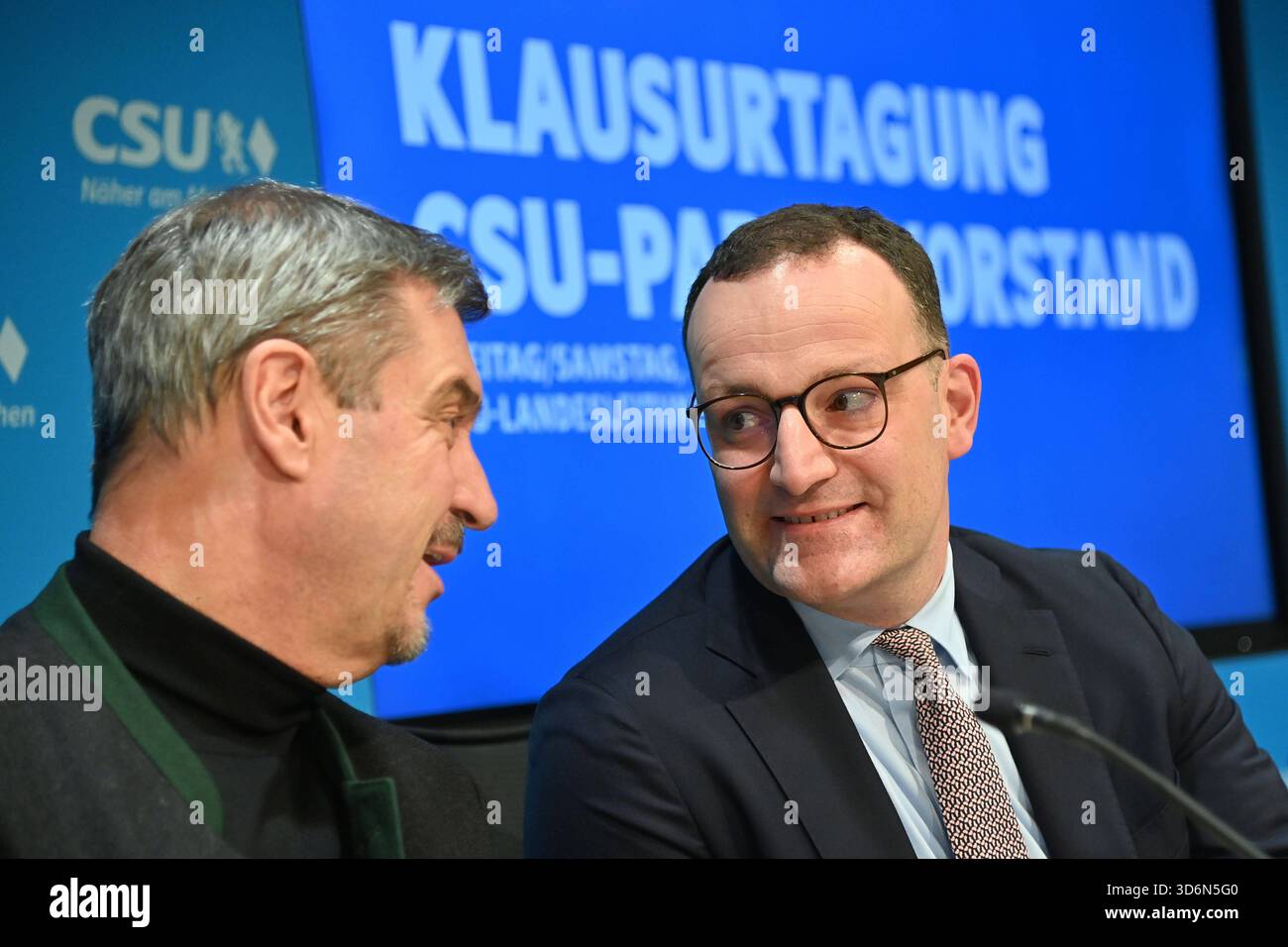
Other names have also surfaced as potential successors. These include Markus Söder, the Bavarian premier from the CSU, and CDU group leader Jens Spahn, who maintains a strong power base despite low popularity.
Economic Stagnation and Political Risks
The pressure on the Chancellery is driven by a lack of economic growth and stalled reforms. Merz’s direct communication style and a perceived failure to coordinate plans have created resistance within the coalition.
Polling data has further weakened the government’s position. The CDU/CSU has been overtaken by the AfD across all polling institutes, while the SPD is also seeing a decline in support.
The stability of the government is precarious, leaning on a slim majority of only 12 seats. This fragility was evident last year when Merz required two separate votes to be elected Chancellor due to opposition from within his own ranks.
Potential Scenarios and Future Outlook
One possible alternative being discussed is the formation of a minority government. In this scenario, the CDU/CSU could govern alone, potentially ending the exclusion of the AfD to facilitate right-leaning policies, though many CDU members find this option unacceptable.
CSU leader Markus Söder has warned that a collapse of the current coalition could mirror the path of the Weimar Republic. He referenced the 1930 removal of the SPD from government as a precursor to the democratic collapse in 1933.
The immediate fate of the administration may depend on the ability to reach an agreement on tax and pension reforms before the summer recess. Negotiations between the CDU/CSU and SPD are currently reported to be highly tense.
Looking ahead, three East German state elections are scheduled after the summer. These elections are expected to result in losses for the governing parties, which could reignite the debate over whether a change in leadership is necessary.
Frequently Asked Questions
Who is Hendrik Wüst and why is he mentioned?
Hendrik Wüst is the 50-year-old state premier of North Rhine-Westphalia. He is considered a more moderate and popular alternative to Chancellor Friedrich Merz.
Why is the AfD significant in this context?
The AfD has overtaken the CDU/CSU in recent polls, and there are concerns that internal government instability and the “rumor mill” may play into the hands of the right-radical party.
What is the significance of the Weimar Republic reference?
Markus Söder used this historical reference to warn that if the coalition with the SPD fails and a working majority cannot be formed, it could lead to a collapse of democratic stability similar to the events of the 1930s.
Do you believe a shift toward a more moderate leadership would stabilize the German economy, or is the current coalition’s slim majority the primary obstacle?