
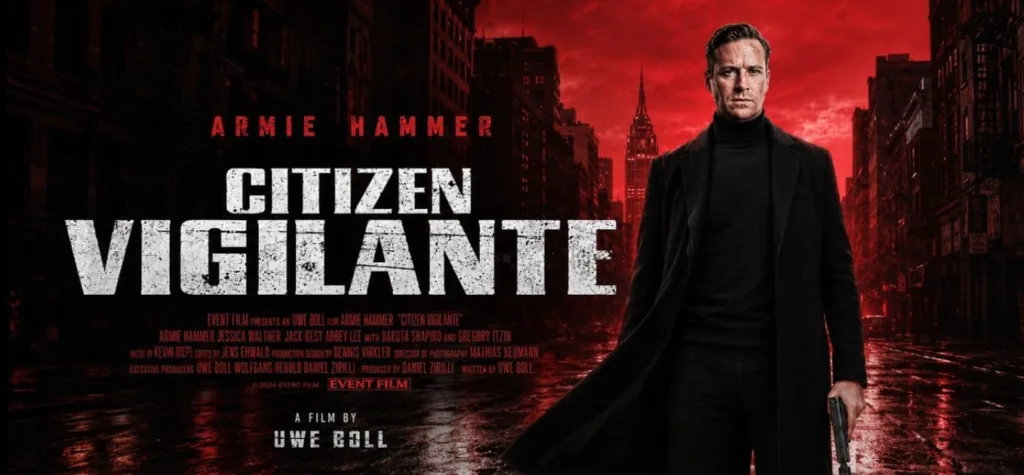
Germany bans action movie ‘Citizen Vigilante
The German film ratings board, the FSK, has refused to grant an age classification to Uwe Boll’s action thriller Citizen Vigilante, effectively banning the film from German cinemas, physical media sales, and major streaming platforms. Starring Armie Hammer, the movie remains available in the United States and Canada, where it premiered on June 19.
Why the FSK Denied the Rating
According to the FSK, the film was denied a rating because it propagates vigilante justice. The story follows a wealthy protagonist who seeks retribution after his mother is murdered by criminals, a plotline that draws inspiration from real-world events, including a 2016 Hamburg gang rape case. Director Uwe Boll has pushed back against the decision, characterizing the refusal as political censorship. Boll argues that the film’s levels of violence are comparable to mainstream titles like John Wick and The Equalizer, both of which received standard ratings in Germany.

Did You Know? Citizen Vigilante draws inspiration from specific German legal cases, including a 2016 incident in Hamburg where perpetrators of a gang rape received lenient sentences, a development that prompted media coverage debating the fairness of the judicial system.
The Conflict Over Migration and Censorship
Boll contends that the FSK’s decision is part of a broader effort by ruling parties, public broadcasters, and NGOs to suppress narratives that challenge prevailing views on migration. He argues that his film reflects observable patterns in official German police data, which show that non-Germans are overrepresented among suspects in violent offenses. Critics of the board’s decision suggest that the move amounts to de facto state censorship, alleging that the protection of minors is being used as a pretext to control public discourse.
Expert Insight: Samantha Carter notes that the clash between the FSK and independent filmmakers highlights the tension between regulatory bodies and creative content that addresses sensitive demographic or political topics. While the FSK maintains its mandate to protect minors, the refusal to rate a finished, commercially released film raises significant questions regarding the threshold for what constitutes “harmful” content in an era where digital access bypasses traditional gatekeepers.
What May Happen Next
Without an FSK rating, Citizen Vigilante cannot legally be distributed through standard German channels. A possible next step involves an appeal process or legal challenge, as Boll has publicly signaled his intent to contest the board’s characterization of his work. Furthermore, the film’s continued availability on international platforms could lead to increased public pressure regarding the reach of German censorship laws in the digital age. Analysts expect that if the ban holds, the film may become a focal point in the wider debate over whether the European Digital Services Act and other regulatory frameworks are being utilized to influence public opinion.

Frequently Asked Questions
Why is Citizen Vigilante unavailable in Germany?
The FSK refused to grant the film an age classification, which is a legal requirement for theatrical, physical, and mainstream digital distribution in the country.
What is the director’s stance on the ban?
Uwe Boll describes the decision as politically motivated censorship designed to suppress depictions of migration-related crime and challenges to the prevailing societal narrative.
How does this film differ from other action movies?
Boll argues the film is consistent with the violence levels seen in other rated action hits like John Wick, but notes that his film explicitly addresses demographic patterns in crime statistics rather than altering ethnic representations.
Do you believe that regulatory bodies should have the power to block the distribution of films based on their political or social messaging?