
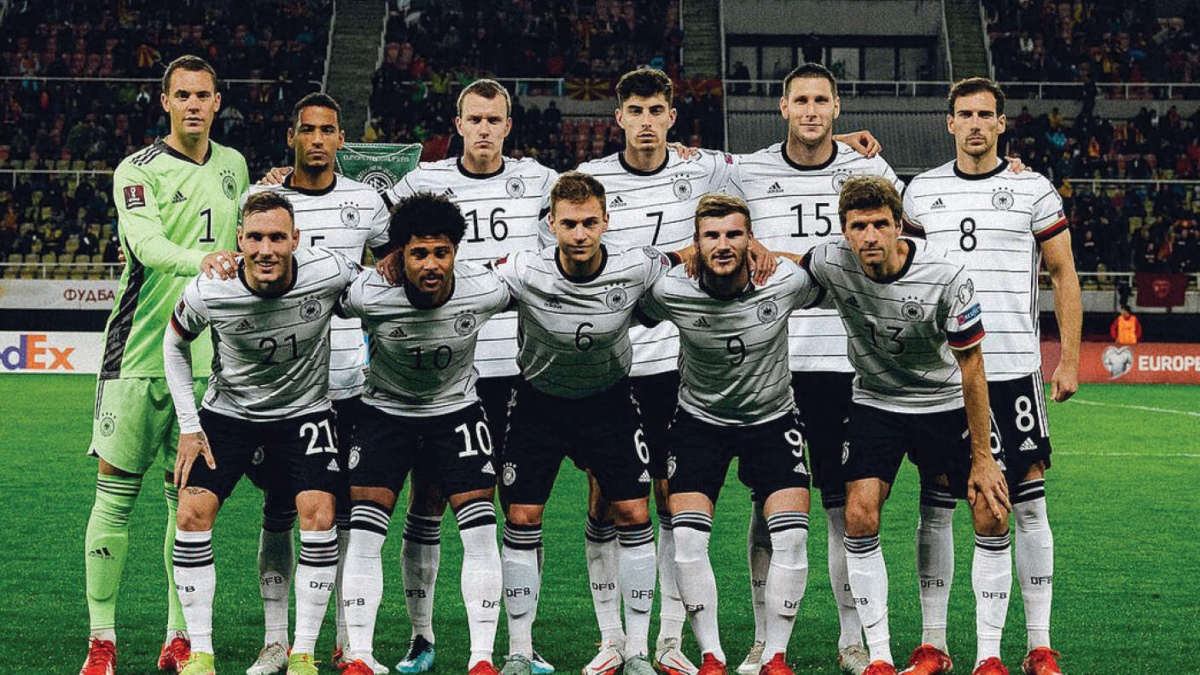
Germany National Team Arrives in USA for World Cup Preparations
The High-Stakes Logistics of Elite Sports: How Global Tournaments are Evolving
When a national team touches down in a foreign city, the public sees the cameras and the waving flags. But behind the scenes, a complex machine of logistics, sports science, and strategic planning is in motion. The journey of a team across oceans isn’t just about transportation; it’s about mitigating the physiological toll of travel to ensure peak performance.
As tournaments expand and move into massive territories like North America, the industry is shifting. We are seeing a move toward “precision logistics,” where every minute of a flight and every hour of sleep is calculated to combat jet lag and muscle stiffness.
The Science of the “Recovery Flight”
The use of advanced aircraft, such as the Airbus A350, isn’t just about luxury. Modern aviation technology allows for better cabin pressure and humidity levels, which significantly reduces the “brain fog” and dehydration associated with long-haul travel.

Future trends suggest a deeper integration of wearable technology during transit. We are moving toward a world where team doctors monitor a player’s heart rate variability (HRV) and sleep quality in real-time via smart rings or patches while they are in the air.
This data allows coaching staff to tailor the first few training sessions. If a key defender shows signs of severe travel fatigue, their workload is reduced to prevent the kind of soft-tissue injuries that often plague teams in the opening week of a major tournament.
Mitigating the “Jet Lag Gap”
The transition from European or South American time zones to North American ones is one of the hardest adjustments in sports. The trend is shifting toward “pre-acclimation” camps—where teams arrive 10-14 days early to synchronize their biological clocks.
For more on how athletes optimize their bodies, check out our guide on modern sports recovery techniques.
The “Mega-Host” Era: Challenges of Continental Tournaments
The shift toward co-hosting tournaments across multiple countries or vast geographic areas (like the US, Canada, and Mexico) introduces a new variable: internal travel. The logistical burden is no longer just about getting to the host country, but moving between cities with vastly different climates and altitudes.
This necessitates a “hub-and-spoke” model for team headquarters. Instead of one central camp, teams are increasingly utilizing satellite bases to minimize travel distance between group stage matches.
According to recent sports infrastructure data, the demand for “high-performance bubbles”—controlled environments that offer medical, nutritional, and psychological support—has surged. Teams are no longer satisfied with standard five-star hotels; they require facilities that can be converted into mini-training centers.
Data-Driven Health: The New Standard for Veteran Players
The management of veteran athletes, particularly those returning from injury, has become a precision science. The focus has shifted from “time-based recovery” (waiting a certain number of weeks) to “metric-based recovery.”
Using AI-driven analytics, medical teams can now predict the likelihood of a re-injury based on gait analysis and muscle symmetry. This ensures that a legendary player returns to the pitch only when their physiological markers are identical to their pre-injury state.
This trend is evident in how top-tier leagues are utilizing global health standards to track player load across different competitions, reducing the overall risk of burnout.
The Globalization of the Game: Expanding the Talent Pool
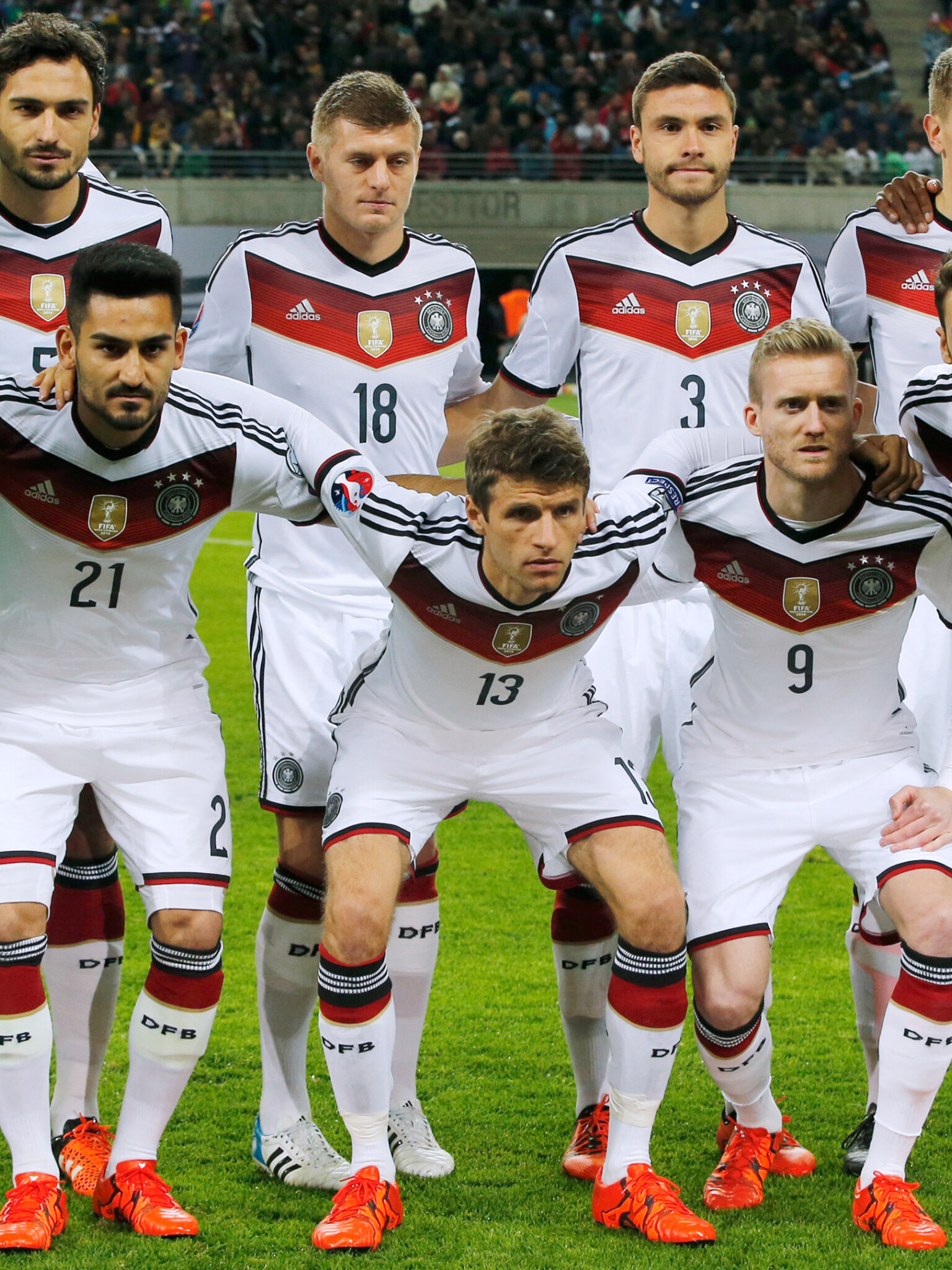
We are witnessing a fascinating trend in the diversification of opponents. The rise of “underdog” nations in major tournaments is a testament to the globalization of coaching and scouting. When a powerhouse nation faces a smaller territory, it’s often a clash of different tactical philosophies.
This expansion is driving a boom in sports tourism. Fans are no longer just traveling to the “main” cities but are exploring secondary markets, boosting local economies and increasing the global footprint of the sport.
Frequently Asked Questions
How do professional athletes deal with jet lag during World Cups?
They use a combination of strategic hydration, melatonin supplementation, controlled light exposure, and “active recovery” sessions (light movement) immediately upon arrival.
Why are teams choosing specific aircraft for long journeys?
Newer planes like the A350 provide better humidity and air pressure, which prevents the dehydration and fatigue that can hinder athletic performance.
What is a “pre-acclimation” camp?
It is a training period held in the host country or a similar climate/time zone before the tournament begins, allowing the body to adjust biologically.
Join the Conversation
Do you think the move to larger, multi-country tournaments helps or hurts the players’ performance? Let us know in the comments below or subscribe to our newsletter for more deep dives into the world of elite sports!