
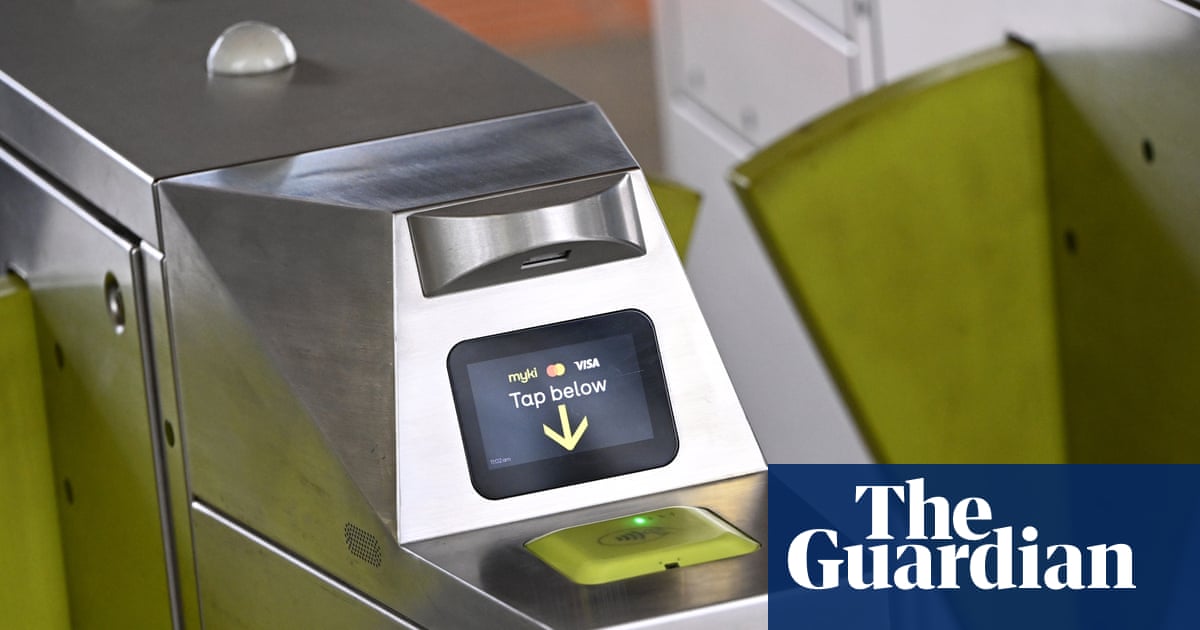
Melbourne Trains to Roll Out Tap-and-Go Payments
The Death of the Transit Card: Why Tap-and-Go is Just the Beginning
For years, commuters have been tethered to proprietary plastic cards—the Myki, the Oyster, the Octopus. We’ve all experienced the panic of a low balance or the frustration of a malfunctioning reader just as the train doors are closing. The shift toward “open-loop” payments, where your bank card or smartphone becomes your ticket, isn’t just a convenience; it’s a fundamental shift in how cities move.
When a city moves to tap-and-go, it removes the “friction” of travel. No more queuing at kiosks or managing separate accounts. But if you think a credit card reader is the peak of innovation, you’re missing the bigger picture. We are moving toward a world of Invisible Payments.
From “Tap-and-Go” to “Walk-Through”: The Rise of Invisible Payments
The current trend of tapping a phone is still a manual action. The next evolution is Account-Based Ticketing (ABT) combined with biometric authentication. Imagine walking through a station gate without stopping, where a secure facial recognition system or a palm-vein scanner identifies you and deducts the fare instantly.
This isn’t science fiction. We are already seeing the groundwork laid in hubs like Singapore and Shenzhen. By decoupling the “token” (the card) from the “account” (your identity), transit authorities can offer far more flexible pricing models.
Biometrics and the End of the Hardware
As we move away from physical cards, the smartphone becomes the primary bridge. However, even phones can be forgotten or run out of battery. This is why industry leaders are eyeing “Zero-Touch” infrastructure. Using ultra-wideband (UWB) technology, your device can communicate with the turnstile while still in your pocket, creating a seamless flow of human traffic.
For more on how urban infrastructure is evolving, check out our guide on the evolution of smart cities.
Mobility-as-a-Service (MaaS): The “Uber-ization” of Public Transit
The real magic happens when tap-and-go payment is integrated into a broader Mobility-as-a-Service (MaaS) ecosystem. Instead of having one app for the train, another for a ride-share, and a third for an e-scooter, MaaS bundles everything into a single subscription or payment interface.
Imagine a monthly “Mobility Pass.” For a flat fee, you get unlimited trains, 10 e-scooter trips, and two discounted Uber rides. The system calculates the most efficient route in real-time and handles all the payments in the background.
AI and Dynamic Pricing: How Your Fare Might Change in Real-Time
Once a city has a fully digital payment network, the data becomes the most valuable asset. Transport authorities can use AI to implement Dynamic Pricing—similar to how airlines and ride-share apps operate.
To discourage overcrowding during peak hours, fares could slightly increase during the 8:00 AM rush and drop significantly at 10:00 AM. This “nudging” helps balance the load on the network, reducing delays and improving the passenger experience for everyone.
According to reports from the World Economic Forum, AI-driven transit management can reduce urban congestion by up to 15%, making cities more breathable and efficient.
The Concession Challenge
One of the biggest hurdles in the shift to open-loop payments is the “concession gap.” Credit cards don’t know if you’re a student, a senior, or a healthcare card holder. The future trend here is Digital Identity (DID). By linking your government-verified digital ID to your payment method, discounts can be applied automatically without the need for a special physical card.
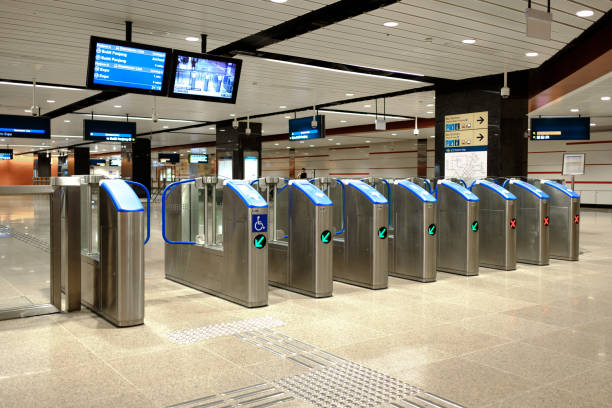
Frequently Asked Questions
Will physical transit cards disappear entirely?
Not immediately. Physical cards serve as a critical backup for those without smartphones or bank accounts (the “unbanked”). However, they will likely become a niche product rather than the primary method.
Is tap-and-go payment secure?
Yes. Most modern contactless payments use “tokenization,” meaning your actual card number is never shared with the reader, making it significantly more secure than swiping a magnetic stripe.
Does MaaS mean the end of private car ownership?
While it won’t kill the car, it makes “car-lite” living viable. When public and private transport are seamlessly integrated and priced, the cost and stress of owning a car in a city often outweigh the benefits.
What do you think?
Are you ready to ditch your transit card for good, or do you prefer having a physical backup? Do you think biometric payments are a step too far for privacy?
Join the conversation in the comments below or subscribe to our newsletter for more insights into the future of urban living!