

Germany Returns Looted WWII Cultural Treasures to Poland
Germany returned significant cultural artifacts to Poland, including a medieval manuscript and a royal ring, during a ceremony at the Polish-German Forum in Berlin. Polish Culture Minister Marta Cienkowska cited the return as a victory against wartime looting, part of a broader effort to recover over 500,000 items lost during World War II.
Why is the return of royal artifacts significant for Poland?
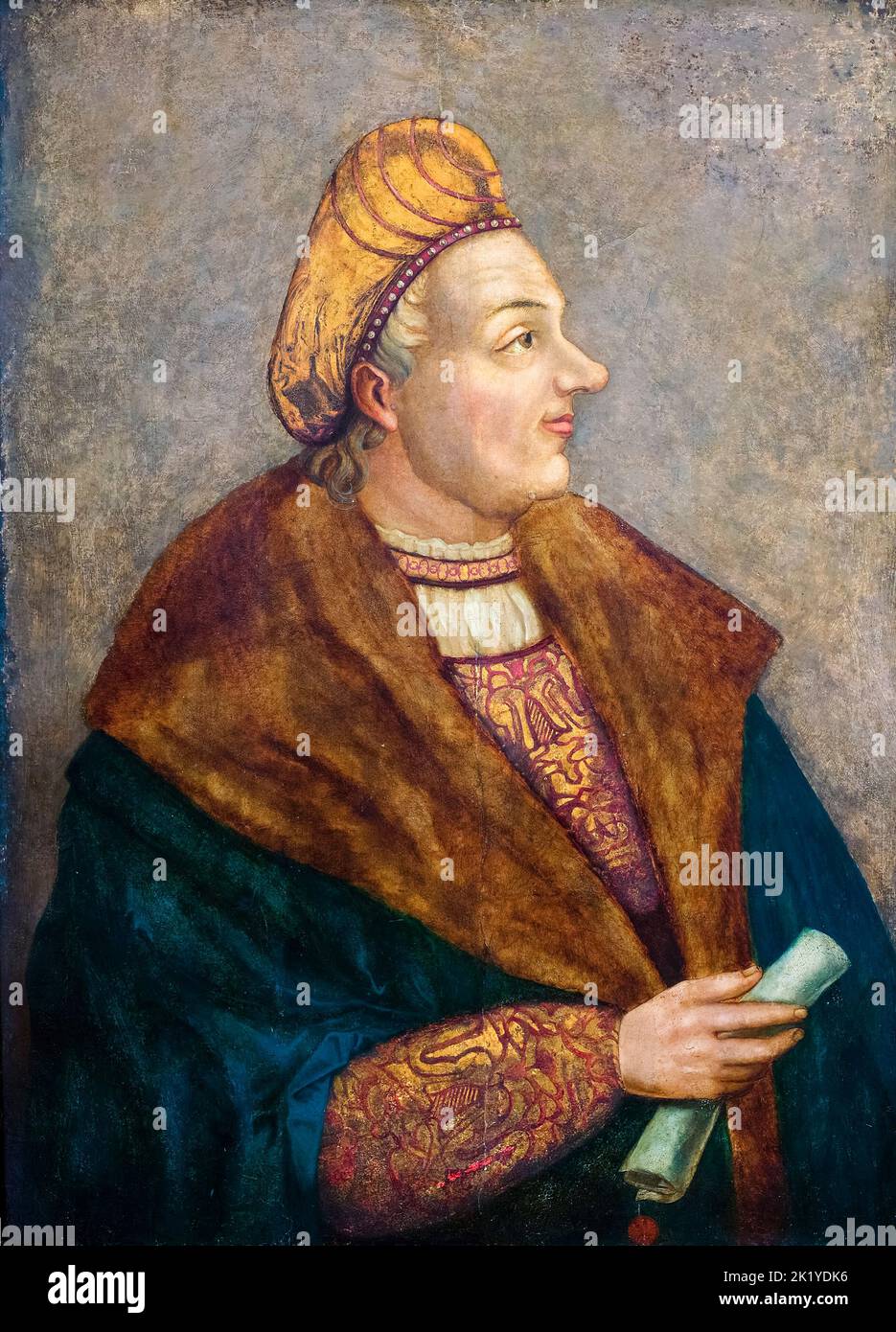
The return of items like the ring attributed to King Sigismund the Old serves as a rare recovery of monarchical history. Andrzej Szczerski, Director of the Krakow National Museum, stated that Prussian forces destroyed Poland’s historical crowns and scepters following the Third Partition of the Polish-Lithuanian Commonwealth.
Because so many primary symbols of sovereignty were obliterated, any object linked to a Polish monarch is considered exceptionally rare. These items aren’t just museum pieces; they’re tangible proof of cultural continuity.
How will Poland and Germany handle future restitution claims?
Poland intends to accelerate the recovery of looted assets through diplomatic dialogue rather than purely legal combat. Minister Cienkowska expects “significant results” later this year, citing a breakthrough in negotiations with Germany reached in December 2025.
According to Cienkowska, the resolution of these complex historical disputes is now driven by “goodwill, dialogue, and mutual respect.” This shift is mirrored by German Ambassador to Poland Miguel Berger, who confirmed Germany’s commitment to processing restitution claims to close a “painful chapter” of shared history.
The ceremony coincided with the 35th anniversary of the Treaty of Good Neighborliness and Friendly Cooperation, suggesting that cultural returns are becoming a primary tool for stabilizing bilateral diplomatic relations.
What happens to the 500,000 missing Polish artworks?
The scale of the loss is staggering. Minister Cienkowska noted that more than half a million artworks, manuscripts, and archival documents were stolen or destroyed during World War II. This represents one of the largest losses of cultural property in European history.
While the recent return of 11 miniature railway exhibits from the pre-war Warsaw Transport Museum shows progress in recovering niche historical collections, the bulk of the missing 500,000 items remains scattered globally. Future trends suggest a move toward digital provenance tracking to locate these pieces in private collections.
Comparing Historical Loss vs. Modern Recovery
The contrast between the two eras of Polish cultural loss is stark. In the 18th century, the loss was systemic and destructive, as noted by Andrzej Szczerski regarding the Prussian destruction of royal regalia. In contrast, the current era is defined by repatriation and diplomacy.
According to reports from TVP World, the recent transfer involved high-level coordination between Polish Foreign Minister Radosław Sikorski and German Foreign Minister Johann Wadephul, indicating that cultural repatriation has moved from museum-level requests to state-level foreign policy.
Frequently Asked Questions
What specific items were returned to Poland?
A medieval manuscript fragment of “Gaude Mater Polonia,” a ring attributed to King Sigismund the Old, and 11 miniature railway exhibits.
Who oversaw the transfer of these artifacts?
The items were received by Polish Culture Minister Marta Cienkowska, with the presence of Foreign Minister Radosław Sikorski and German Foreign Minister Johann Wadephul.
Why is the ring of King Sigismund the Old so valuable?
According to Andrzej Szczerski, it’s exceptionally rare because most of Poland’s royal regalia were destroyed by Prussian forces in the past.
Do you think cultural artifacts should always be returned to their country of origin, regardless of how long they’ve been in a foreign museum? Share your thoughts in the comments below or subscribe to our newsletter for more updates on global heritage.