
Germany’s Building Modernization Act Lacks Climate Impact Data
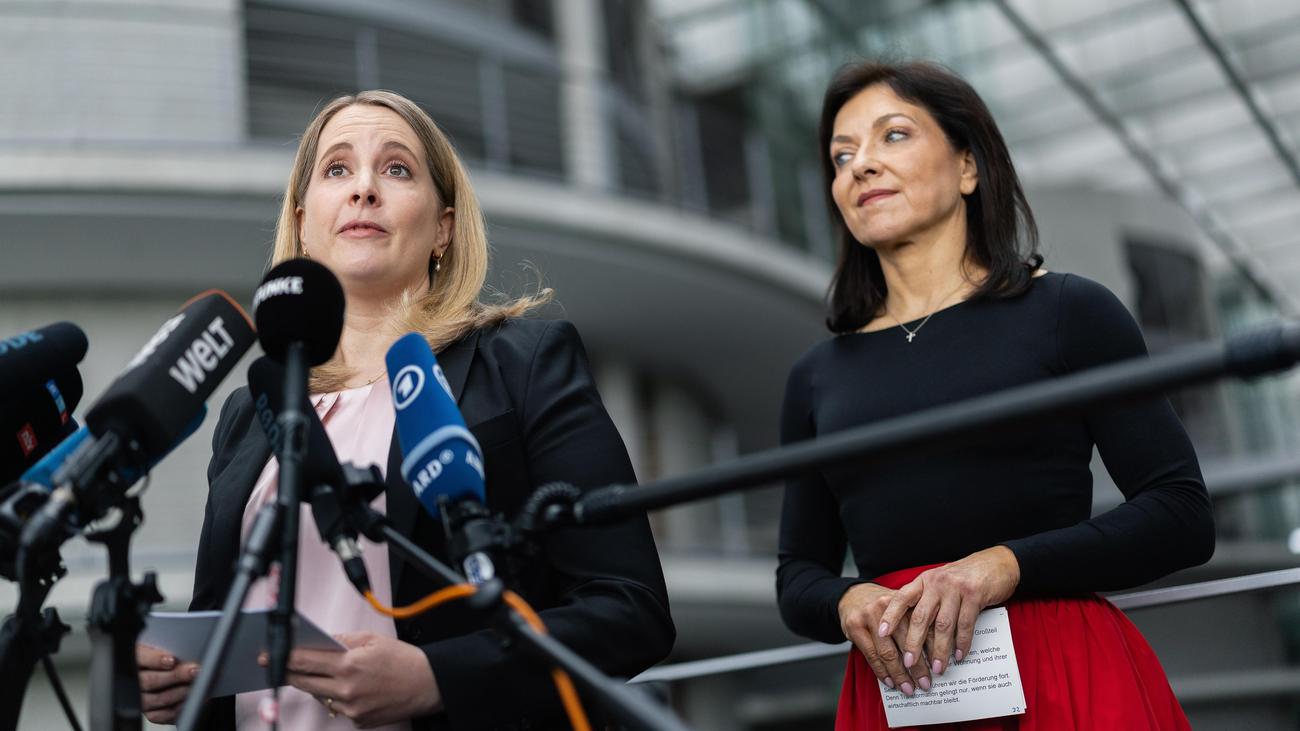
The German government currently lacks reliable data on how its planned Building Modernization Act will impact CO2 emissions and overall climate protection. According to reports from the Funke Mediengruppe, official projections for energy prices and EU law compatibility are also unavailable as the legislative process continues.
Why is the Building Modernization Act facing criticism?
The government has reportedly failed to provide concrete figures regarding the law’s effect on the climate. In a response to an inquiry from the Green Party, the government stated that a “robust assessment of the climate impact of the law can only take place after the completion of the legislative process,” as cited by the Funke Mediengruppe.
.jpg "Why is the Building Modernization Act facing criticism?")
This lack of data extends to economic forecasts. The government does not have reliable projections for the future price developments of natural gas, biomethane, or green hydrogen, noting that such forecasts “could not be created reliably.”
Kassem Taher Saleh, the building policy spokesperson for the Greens in the Bundestag, has labeled the proposal unconstitutional. Saleh argues the law violates the Basic Law’s “prohibition of deterioration” regarding climate protection by lowering previously established standards.
How does the new law differ from the previous Heating Law?
The Building Modernization Act is designed to replace the Building Energy Act, commonly known as the “Heating Law,” which was previously reformed by the coalition government. A primary shift in this new version is the continued permission to install new oil and gas heaters.
While these heaters remain an option, the law mandates a blending of biogas. However, the source notes that the actual availability and costs associated with this biogas blending remain unclear.
What happens next for the legislation?
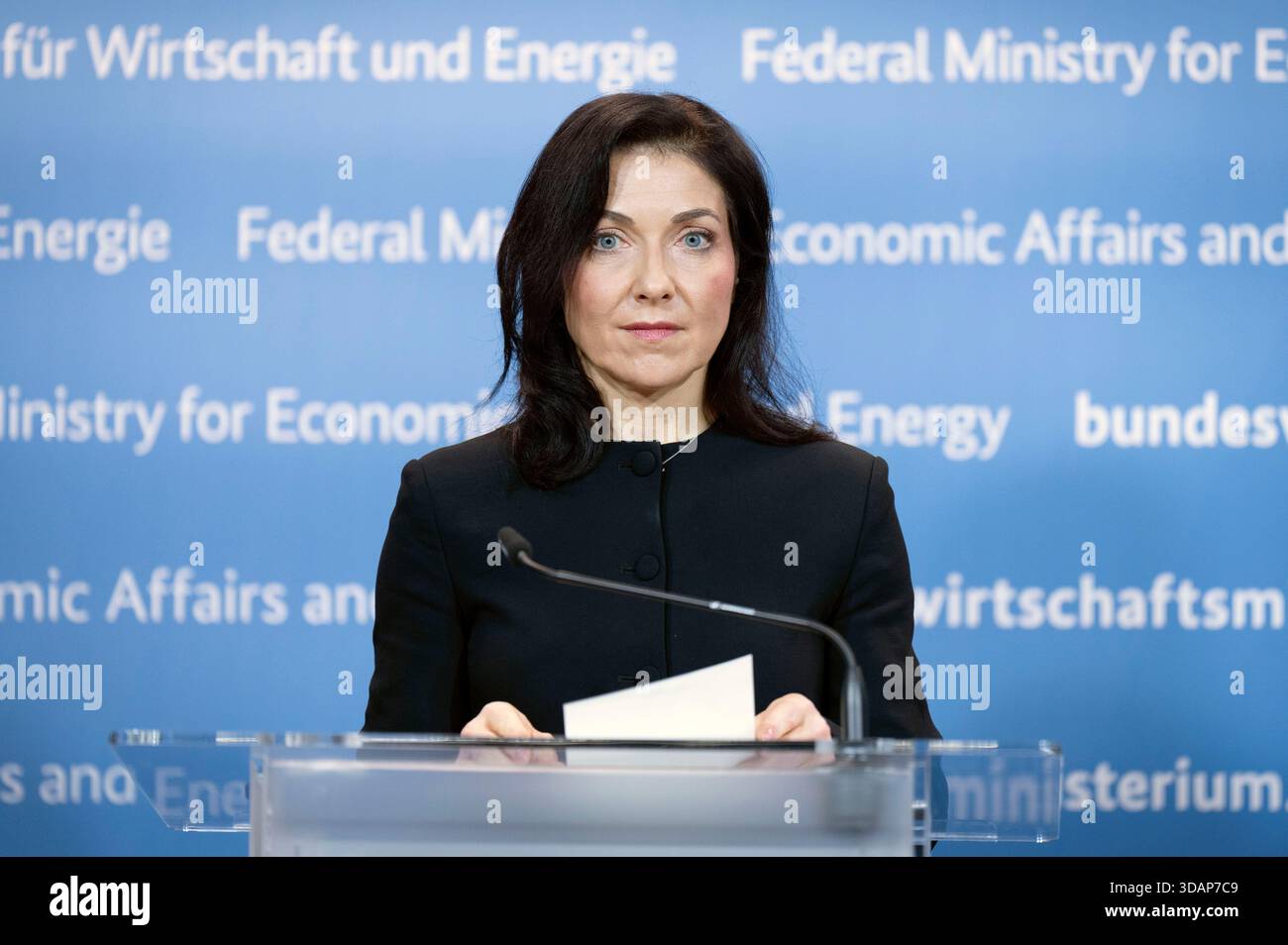
The Bundestag is scheduled to deliberate on the Building Modernization Act for the first time this Thursday. This session may highlight the friction between Economics Minister Katherina Reiche’s (CDU) proposal and the objections raised by the Green Party.
Future developments could include legal challenges if the law is passed without the “robust assessment” the government claims is only possible after the legislative process ends. The compatibility of the plan with EU law also remains an open question that may need to be addressed.
Frequently Asked Questions
What is the government’s excuse for the lack of climate data?
The government stated that a robust assessment of the law’s climate impact can only be conducted after the legislative process has been completed.
Who is leading the effort for the new law?
The legislative project is led by Economics Minister Katherina Reiche of the CDU.
Why does Kassem Taher Saleh claim the law is unconstitutional?
He argues that by lowering existing standards, the law violates the “prohibition of deterioration” in the Basic Law, which forbids a “backward step” in climate protection.
Do you believe financial relief for homeowners should take priority over immediate climate impact certainty?