

Ghana Parliament Passes Bill Criminalizing LGBTI Activities
The New Era of Hyper-Criminalization: analysing the Shift in African Legal Landscapes
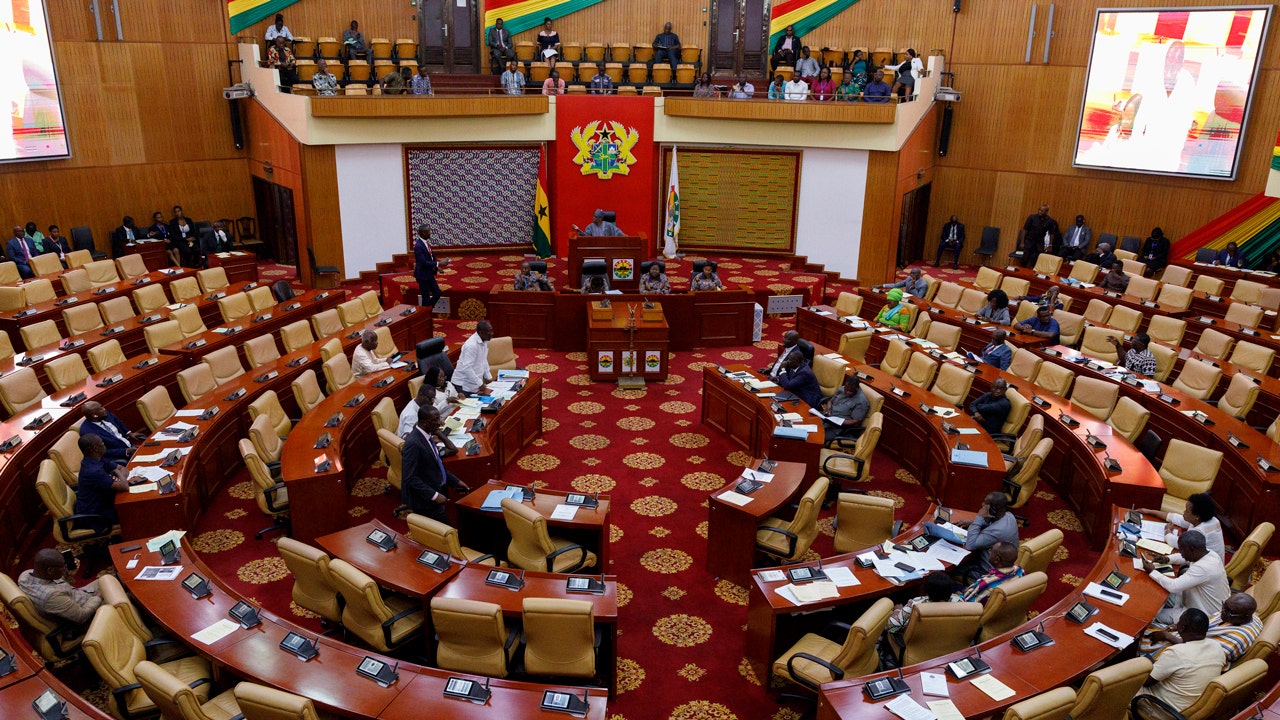
The recent passage of stringent anti-LGBTI legislation in Ghana marks a pivotal shift in how several African nations are approaching sexual orientation and gender identity. We are moving away from a “don’t ask, don’t tell” colonial-era framework toward a proactive, state-sponsored system of surveillance and punishment.
When a government introduces mandatory reporting—essentially deputizing the general public to police the private lives of their neighbors—it signals a transition from passive prohibition to active persecution. This trend is not an isolated incident but part of a broader geopolitical movement.
The ‘Cultural Sovereignty’ Narrative as a Political Tool
One of the most prominent trends in the push for anti-LGBTQ+ laws is the framing of these bills as a defense of “traditional family values” against “Western imperialism.” By casting human rights as a foreign import, political leaders can mobilize conservative bases and position themselves as protectors of national identity.
In Ghana, the influence of religious leaders in the legislative process is profound. When figures like Reverend John Ntim Fordjour lead the charge, the legislation is not viewed by supporters as a legal matter, but as a moral crusade. This intersection of faith and state power makes these laws incredibly resilient to external diplomatic pressure.
Historically, we’ve seen this pattern in other regions where populist movements use “moral panic” to consolidate power. By creating a visible “enemy” within the borders, governments can distract from economic instability or governance failures.
The Geopolitical Ripple Effect
We are seeing a “contagion effect” across the continent. When one country passes a high-profile bill—such as Uganda’s stringent laws or Ghana’s Human Sexual Rights and Family Values Bill—it provides a legislative blueprint for others. This creates a competitive environment where leaders may feel pressured to adopt even harsher stances to prove their “cultural authenticity.”
This trend is further complicated by shifting international alliances. As some African nations pivot away from Western partnerships toward allies who do not prioritize human rights conditions in their trade deals, the incentive to maintain “liberal” human rights standards diminishes.
From Prison Terms to Social Ostracization
The potential future for these laws extends beyond the courtroom. The criminalization of “promotion” and “support” means that the legal net is cast wide. It doesn’t just target the individual; it targets the lawyer, the doctor, the journalist, and the family member.
The long-term trend points toward the creation of “legal vacuums” where LGBTQ+ individuals lose access to basic healthcare and legal protection. When supporting a marginalized group becomes a crime punishable by up to ten years in prison, the social safety net evaporates, leading to higher rates of homelessness, suicide, and forced migration.
For more on how these legal shifts impact global migration patterns, see our analysis on the intersection of law and displacement.
The Digital Underground: The Future of Resistance
As physical spaces become more dangerous, the resistance is moving online. However, this creates a new vulnerability. We expect to see a rise in “digital entrapment,” where state actors or vigilantes use dating apps and social media to lure individuals into traps, using the law as a weapon.
Despite this, encrypted communication and international solidarity networks are becoming the primary lifeline for queer Africans. The trend is shifting toward “invisible” communities that operate through highly secure, decentralized networks to provide mutual aid and mental health support.
FAQ: Understanding Anti-LGBTQ+ Trends in Africa
Why are these laws becoming more common now?
A combination of rising religious conservatism, the use of “anti-colonial” rhetoric by politicians, and a shift in global geopolitical alliances has created a fertile environment for these laws.
What is “mandatory reporting”?
It is a legal requirement for citizens to report suspected “violations” of the law to the police. In the context of Ghana’s recent bill, this applies to LGBTI activities, effectively turning the public into state informants.
How do these laws differ from colonial-era laws?
Colonial laws often criminalized the act of homosexuality. Modern laws expand this to criminalize identity, advocacy, financing, and support, with significantly harsher penalties.
What is the role of international organizations?
Organizations like Human Rights Watch provide documentation and international pressure, though these efforts are sometimes framed by local politicians as “foreign interference.”
The trajectory of human rights in the region is at a crossroads. The tension between universal human rights and “cultural sovereignty” will likely define the legal and social battles of the next decade.
Join the Conversation
Do you believe international diplomatic pressure is effective in changing these laws, or does it only strengthen the “anti-imperialist” narrative? Let us know in the comments below or subscribe to our newsletter for deeper insights into global human rights trends.