Giving Robots a Human Sense of Touch
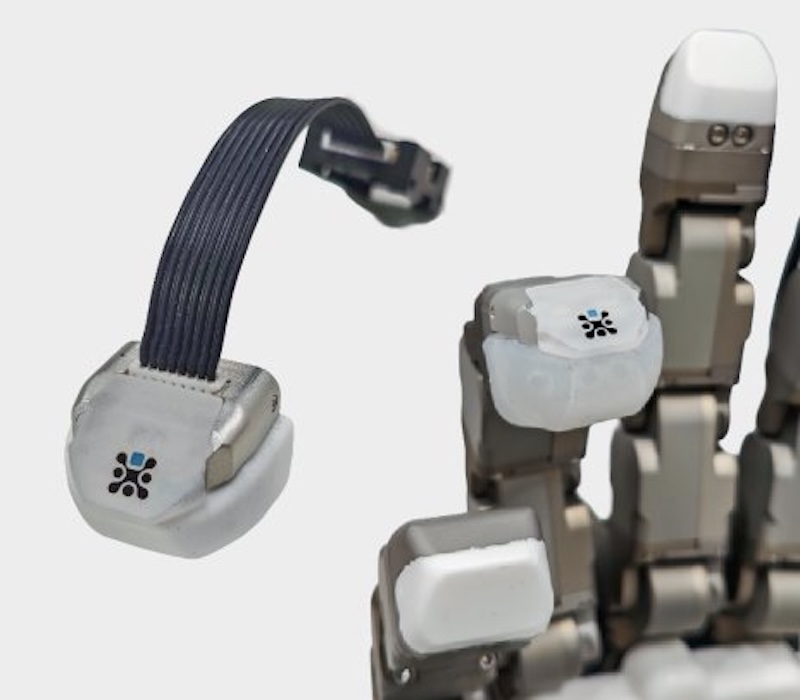
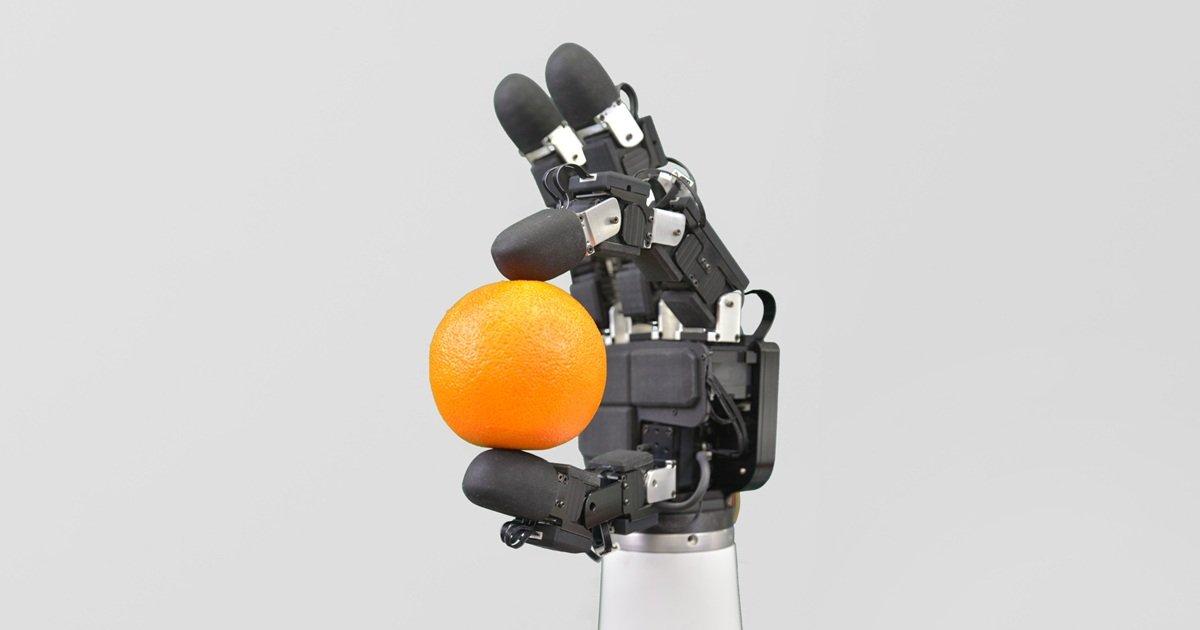
Robotic systems are moving beyond rigid, pre-programmed movements toward “physical AI” that allows machines to sense and react to their environment through touch. According to Tokyo-based startup XELA Robotics, integrating tactile sensors—which measure pressure, shear, and texture—enables robots to handle fragile objects like eggs or soft fruit with human-like delicacy. This shift toward tactile feedback is currently being piloted in industrial manufacturing, agriculture, and elderly care to address labor shortages and increase automation precision.
How does tactile sensing change robot performance?
Tactile sensing solves the “blind spot” inherent in traditional vision-only robotics. While cameras can guide a robot to an object, they often struggle with depth perception or surface friction, leading to dropped items or crushed materials. Dr. Alexander Schmitz, CEO of XELA Robotics, notes that conventional robots require individual pre-programming for every object type. By using sensors like the uSkin system, robots can detect physical contact in real time. This allows the machine to adjust its grip strength based on the detected weight, firmness, and slipperiness of an object, rather than relying on a static, pre-set command.
Why is tactile feedback essential for agriculture?
Agricultural automation faces a unique challenge: every piece of produce is different. Unlike a standardized factory part, fruit varies by ripeness, size, and shape. According to Dr. Schmitz, vision systems alone cannot determine the internal firmness of a piece of fruit. Tactile-enabled robots can identify ripeness by “feeling” the texture of the skin. This prevents bruising—a critical factor in maintaining market value—and allows for automated sorting that mimics the judgment of a human picker.
Where will tactile robots be deployed next?
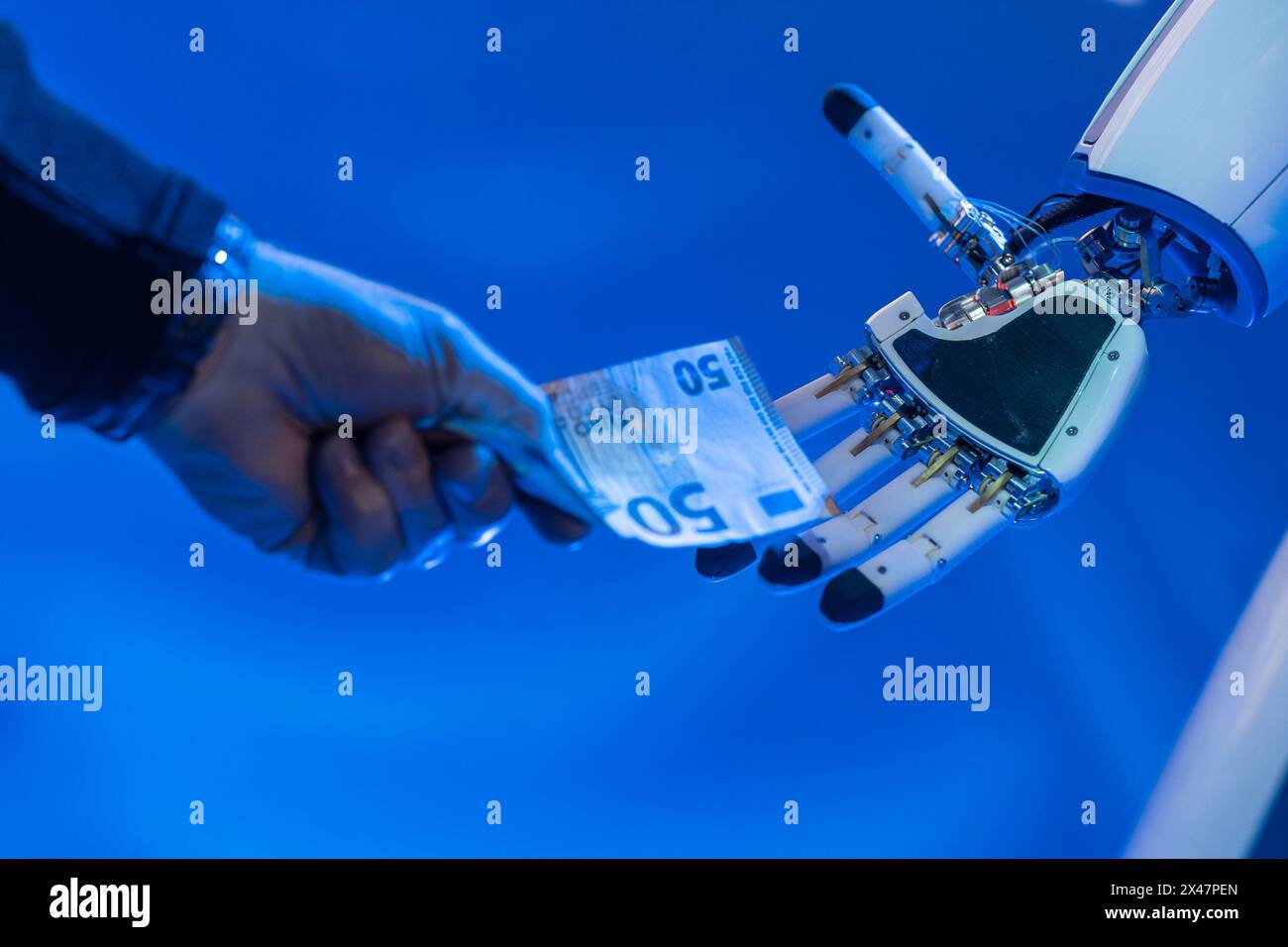
The next frontier for tactile robotics is the “super-aging” society, particularly in Japan. As the labor force shrinks, robots are expected to fill gaps in healthcare and domestic support. Unlike industrial arms that operate behind safety cages, service robots must interact directly with humans. Tactile sensors provide a necessary safety layer; a robot assisting an elderly person needs to sense the pressure it exerts to ensure it is not causing harm. This evolution from “power-based” to “touch-based” robotics is supported by initiatives like the Tokyo Metropolitan Government’s SusHi Tech Global, which connects hardware startups with the manufacturing and corporate partners needed to scale these technologies.
Frequently Asked Questions
- What is physical AI?
Physical AI refers to the integration of sensors and software that allow a robot to perceive and react to physical forces, such as touch, in real time, rather than just following pre-coded visual paths. - Why is tactile sensing better than vision for robots?
Vision can be obscured by lighting changes or misalignments. Tactile sensing provides direct feedback on whether an object is securely held, preventing slips or damage that cameras might miss. - Can these sensors be used on human prosthetics?
Yes. Dr. Schmitz identifies the integration of tactile sensors into prosthetic limbs as a long-term goal, aiming to restore a sense of touch to those who have lost limbs.
Are you interested in how automation is changing your industry? Subscribe to our newsletter for the latest updates on robotics, AI, and industrial innovation.