
Police Misusing Flock Surveillance Cameras for Stalking
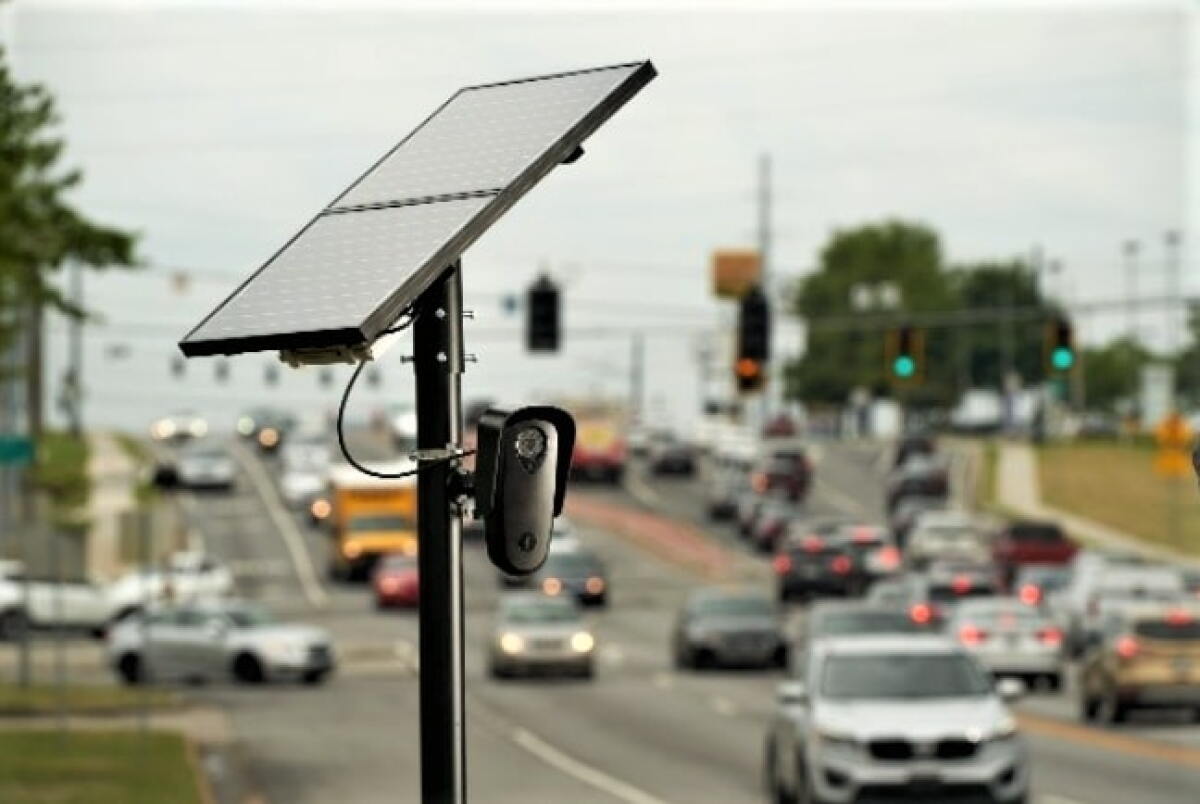
Police officers have used Flock Safety’s automated license plate reader (ALPR) systems to illegally stalk individuals, according to reporting by 404 Media. Over a dozen cases across the U.S. show officers accessing surveillance data for personal obsessions rather than official law enforcement purposes, highlighting a systemic lack of oversight in ALPR deployment.
Why is the Flock system being misused for stalking?
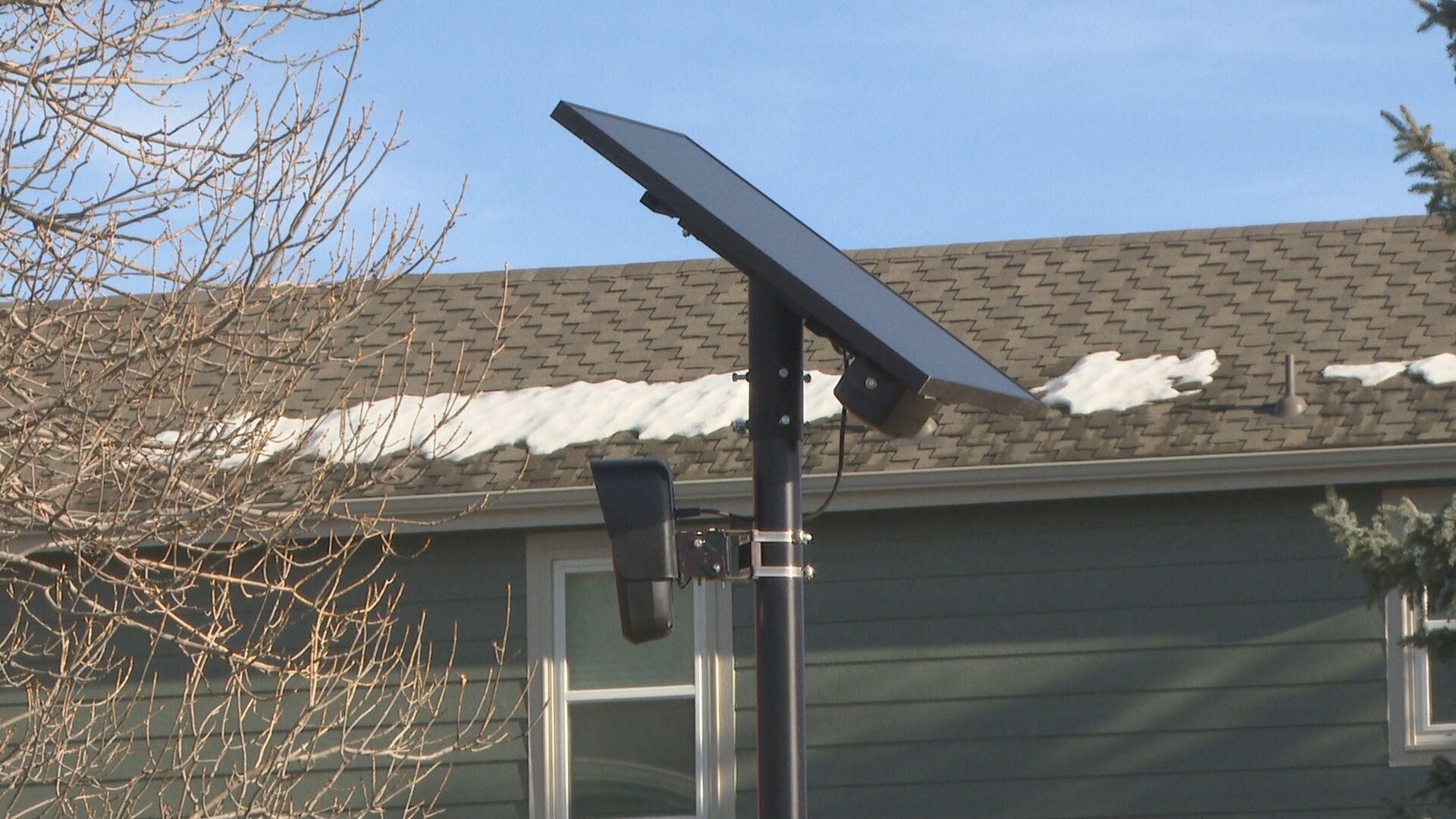
Flock Safety systems use high-speed cameras to capture license plates and vehicle characteristics. This data is then searchable by law enforcement agencies. According to 404 Media, the ability to track a vehicle’s movements in real-time or review its history creates a tool for “obsessive” stalking when officers bypass official protocols.
The misuse occurs because many departments lack rigorous, real-time auditing of who is searching for which plate. When an officer can enter a plate number without a linked case file or supervisor approval, the system becomes a personal tracking device. This allows bad actors within police departments to monitor the daily routines, home addresses, and associations of private citizens.
What happens when surveillance tools lack oversight?
The lack of strict access controls leads to “insider threats” where the tool designed for public safety becomes a weapon for harassment. 404 Media reports that over a dozen cases have already surfaced where officers were arrested or disciplined for using these systems for personal reasons.

This pattern mirrors previous abuses seen with the National Crime Information Center (NCIC) database. When the cost of misuse is low and the probability of detection is minimal, officers may use state resources to settle personal scores or pursue romantic obsessions. Bruce Schneier, a security expert, notes that these cameras create a pervasive surveillance dragnet that is ripe for abuse.
How will ALPR laws change to prevent misuse?
Future trends suggest a shift toward mandatory, third-party auditing of all ALPR queries. Instead of internal police reviews, independent oversight boards may be required to verify that every search is tied to an active criminal investigation.
Legislation is likely to focus on three areas:
- Strict Data Retention: Limiting how long plate data is stored to prevent the creation of long-term movement profiles.
- Query Justification: Requiring a written case number before a search can be executed.
- Automatic Alerts: Implementing systems that flag “unusual” search patterns, such as an officer repeatedly searching for the same non-suspect plate.
What are the broader privacy implications of ALPR networks?
The proliferation of these cameras creates a “virtual fence” around cities. According to privacy advocates, the risk isn’t just the occasional rogue officer, but the normalization of constant tracking. If a network of cameras can tell a government exactly where a person has been for the last month, the concept of anonymous travel disappears.

This infrastructure can be easily pivoted. A system installed to find stolen cars can be repurposed to track political protesters or individuals seeking medical care at specific clinics. The 404 Media report demonstrates that the leap from “crime fighting” to “personal stalking” is shorter than many departments admit.
Frequently Asked Questions
What is Flock Safety?
Flock Safety is a company that provides automated license plate readers (ALPRs) to law enforcement and homeowners’ associations to track vehicles.
Can civilians access Flock camera data?
Generally, no. Access is restricted to law enforcement agencies and authorized personnel, though some integration with private security exists.
How is police misuse of ALPRs detected?
Misuse is typically found through internal audits, whistleblower reports, or when a victim of stalking notices a pattern and reports it to internal affairs.
Do you think ALPRs provide more safety than they cost in privacy? Share your thoughts in the comments below or subscribe to our newsletter for more updates on digital surveillance.