

Global Economic Highlights: BoJ Rate Hikes, US-Iran Deal, and Market Trends
The Bank of Japan raised policy rates to 1% on June 16, the highest level in 31 years, to curb inflation risks from rising oil prices and a weak yen. Meanwhile, a June 14 U.S.-Iran peace agreement aiming to restore 20% of global oil supply has lowered U.S. gasoline prices below $4 per gallon.
Why did the Bank of Japan raise interest rates?
The Bank of Japan (BoJ) increased policy rates to 1% on June 16 because inflation risked exceeding its 2% target. According to the BoJ, this move responds to rising oil prices and a yen that has weakened to approximately 160 yen per dollar.
The central bank also raised short-term rates from 0.75%, the first such increase since late 2025, to maintain financial stability amid ongoing Middle East conflicts. While the BoJ acknowledges that higher borrowing costs could slow economic growth, it is prioritizing price stability as efforts to secure alternative raw materials mitigate recession risks.
How is the U.S.-Iran agreement affecting energy markets?
A peace agreement signed June 14 between the Trump administration and Iran aims to ensure free navigation through the Hormuz Strait. This deal intends to recover 20% of the global oil supply, with a 60-day negotiation window to finalize the comprehensive documentation.
Following the announcement, average U.S. retail gasoline prices fell to $3.997 per gallon on June 14, dropping below the $4 mark for the first time since mid-April 2026. The agreement reduced global crude prices by more than $4 per barrel, providing political support for the administration ahead of the November 2026 election.
What is the status of the U.S. Strategic Petroleum Reserve?
The U.S. Strategic Petroleum Reserve (SPR) has fallen to 340.3 million barrels, its lowest level in over 40 years. Supply disruptions caused by conflicts between the U.S. and Iran drove this decline, with the Cushing facility dropping to 21.6 million barrels, near its minimum operating capacity.
To stabilize the market, the U.S. government implemented a program loaning 172 million barrels of crude to companies. The U.S. Department of Energy claims that requiring repayments via additional fees prevents further burdens on the national budget.
How are automakers responding to Chinese software bans?
Major automakers are seeking urgent U.S. government permits to maintain operations before a ban on Chinese software for connected vehicles takes effect for 2027 models. Ford has applied for permits regarding the Lincoln Nautilus SUV.
General Motors plans to comply by moving the Buick Envision production line to the U.S. and requiring suppliers to remove Chinese components by 2027. These companies face additional pressure from hardware restrictions scheduled for 2030, requiring significant investment in supply chain restructuring.
Why is India emerging as a global steel hub?
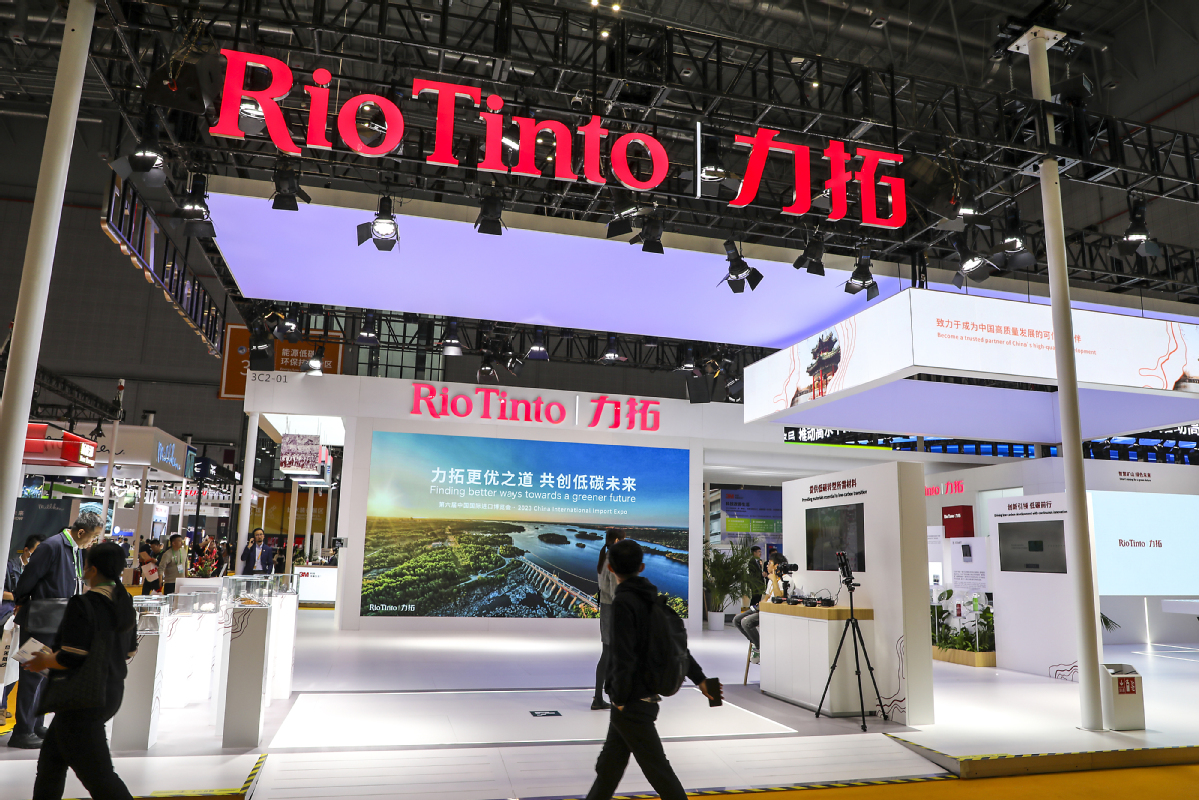
Mining firms BHP and Rio Tinto are shifting strategic focus to India as demand in China slows. The Indian government aims to increase steel production from an estimated 165 million tons in 2025 to 500 million tons by 2047 to support urbanization and infrastructure.
Rio Tinto predicts the world will need 950 million tons of additional iron ore production capacity over the next decade to meet demand in developing nations, with India expected to play a central role.
What are the latest trends in corporate litigation and global wealth?
Microsoft is facing a class-action lawsuit led by U.S. pension funds. The plaintiffs allege the company inflated stock prices, hid a growth slowdown in the Azure cloud platform, and failed to disclose a $37.5 billion capital expenditure plan for AI infrastructure.

These allegations are tied to a January 29 stock drop that reduced Microsoft’s market capitalization by $357 billion. Microsoft has denied the claims as baseless.
In the wealth sector, the Bloomberg Billionaires Index reported that the assets of the world’s 500 richest people grew by $336 billion in a single day on June 15, reaching a record $13.3 trillion. Elon Musk’s net worth rose $164 billion to $1.27 trillion following a 20% increase in SpaceX’s market value after its IPO.
What is the current state of Russia’s finances?
President Vladimir Putin stated during the St. Petersburg International Economic Forum (SPIEF-2026) on June 5-6 that Russia’s fiscal deficit is currently 2.6% of GDP. Putin claimed that while the deficit may increase by year-end, it will remain lower than that of many developed nations.
Frequently Asked Questions
What is the current policy rate of the Bank of Japan?
As of June 16, the Bank of Japan has raised the policy rate to 1%.
Why is Microsoft being sued by shareholders?
U.S. pension funds allege Microsoft concealed a growth slowdown in Azure and failed to disclose $37.5 billion in AI infrastructure spending, leading to a $357 billion loss in market value on January 29.
What is India’s long-term steel production goal?
The Indian government aims to increase steel production to 500 million tons by 2047.
How might the shift in global steel production from China to India affect long-term infrastructure costs in developing nations?