
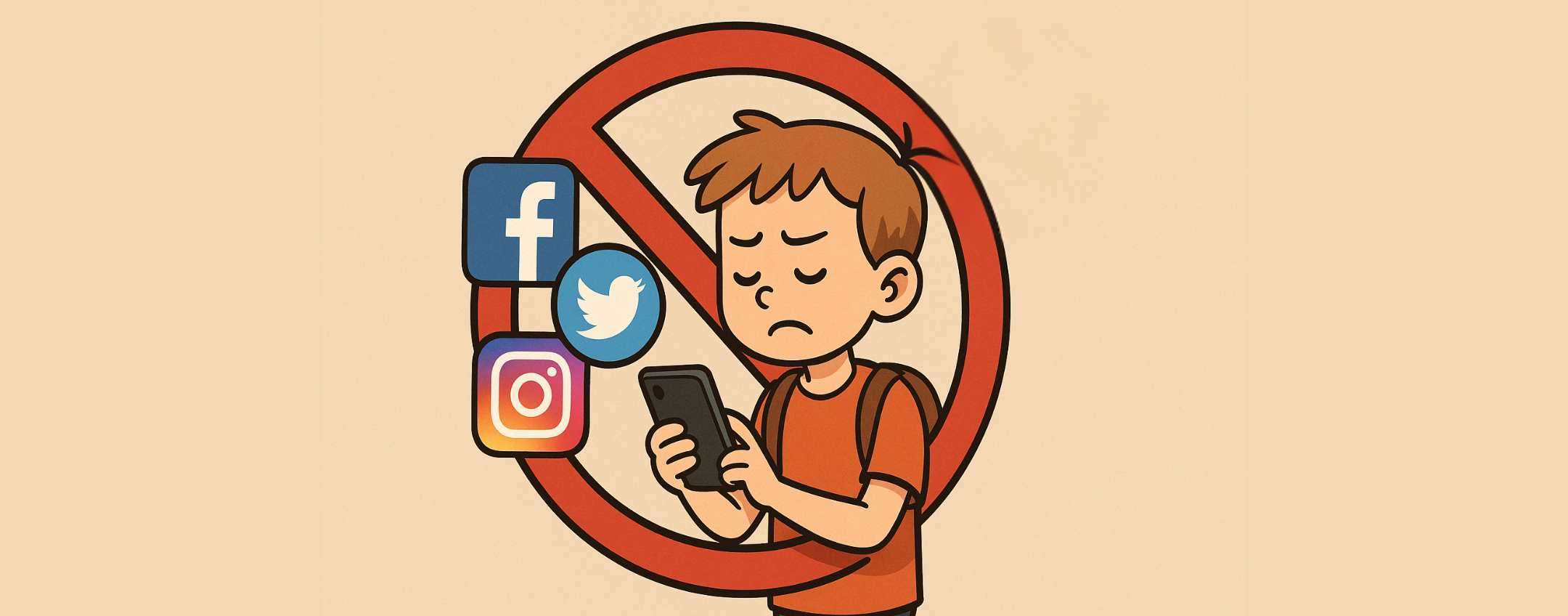
Global Social Media Bans: Which Countries Are Restricting Access for Minors?
A global movement to restrict social media access for minors is gaining momentum, led by Australia’s December 2025 ban on platforms for users under 16. At least 14 nations, including countries across Europe and Southeast Asia, are now pursuing similar legislation to combat cyberbullying, platform addiction, and mental health risks. While proponents cite child safety, critics warn of privacy concerns and the technical challenges of age verification.
Why are countries moving toward age-restricted social media?
Legislators are targeting social media access to mitigate documented risks to adolescent mental health. In Italy, the Istituto Superiore di Sanità reports that approximately 100,000 adolescents aged 15 to 18 face a high risk of social media addiction. Proponents of these bans, such as those behind Australia’s legislation, argue that platforms like TikTok, Instagram, and Snapchat require robust age-gating that goes beyond self-declaration. According to the Australian government, these platforms are now legally obligated to implement strict age verification to prevent access for those under 16, with heavy financial penalties for non-compliance.
/afaqs/media/media_files/2026/06/12/socialmeda-2026-06-12-15-19-04.jpg "Why are countries moving toward age-restricted social media?")
Which nations are currently legislating bans?
The regulatory landscape is shifting rapidly as countries move from debate to law. In Turkey, a ban for those under 15 has been approved and awaits President Erdogan’s signature. Indonesia is set to enforce a 16-year age minimum by March 2026, covering major platforms including Roblox and Facebook. Meanwhile, Denmark is developing a dedicated age-verification application to support its own move toward a 15-year age limit, projected for mid-2026. In the Americas, Canada has introduced a federal bill to mandate a 16-year age floor, though legislative approval is expected to take at least one year.

What is the status of social media legislation in Italy?
Italy remains in a period of legislative stagnation despite significant domestic support for restrictions. The “disegno di legge 1136,” championed by Senator Lavinia Mennuni, has been stalled in the Senate’s eighth permanent commission since October 2025. While the bill proposes a 15-year age limit and a national digital wallet for verification, it faces internal political friction. According to the Eurispes Rapporto Italia 2026, 79% of Italians support a ban. However, government proposals to fine parents for their children’s usage have faced backlash; the MOIGE (Movimento Italiano Genitori) has publicly labeled such measures “unacceptable,” arguing that parents are victims of platform design rather than responsible parties.
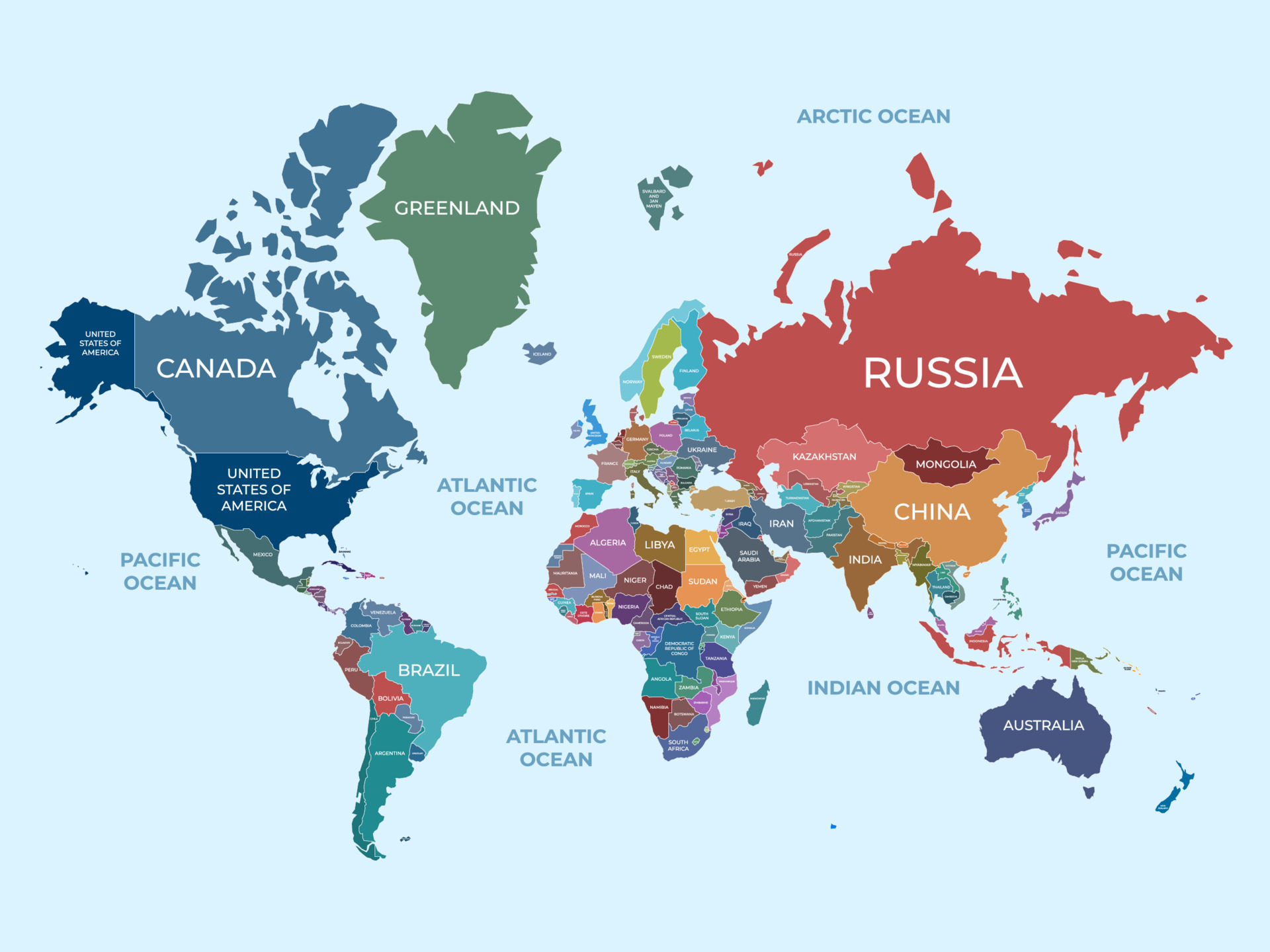
Comparison of Proposed Regulatory Approaches
| Country | Age Limit | Current Status |
|---|---|---|
| Australia | 16 | Enforced |
| France | 15 | Pending Senate |
| Indonesia | 16 | Effective March 2026 |
Frequently Asked Questions
- Are all platforms included in these bans?
Most legislation targets major social networks like TikTok, Instagram, and X. However, exceptions are common; Australia, for instance, excludes WhatsApp and YouTube Kids from its 16-year restriction. - How will age be verified?
Methods vary by country. Some, like Denmark, are building custom state-run verification apps, while others place the burden of proof on the platforms themselves to move away from simple user-reported age fields. - What is the European Union’s stance?
The European Parliament has voted in favor of a 16-year age floor for social media. The European Commission’s “Digital Fairness Act,” expected in late 2026, is intended to harmonize these rules across member states.
Do you believe age-verification laws are an effective solution to social media addiction, or do they represent an overreach of state authority? Share your thoughts in the comments below or subscribe to our weekly policy newsletter for updates on the latest legislative shifts.