
Google Home Uses Gemini AI to Enable Context-Aware Camera Automations
Google has evolved its smart home ecosystem by integrating Gemini’s scene understanding, allowing security cameras to identify specific objects and actions rather than just detecting generic motion. This shift moves smart home automation from simple “if-this-then-that” triggers to context-aware routines that can distinguish between a person, a pet, or a package, fundamentally changing how connected devices respond to their environment.
How Gemini changes camera automation
Before the integration of Gemini, smart cameras relied on pixel-level changes to trigger alerts, leading to frequent false alarms from swaying trees or shadows. According to Android Police, the updated Google Home app now interprets video feeds to provide semantic context. Instead of reacting to “motion,” your home can now trigger a specific routine when it recognizes a “package on the porch” or a “cat in the backyard.” This allows users to move beyond binary alerts and create complex, intent-based automations.
The shift toward ambient computing
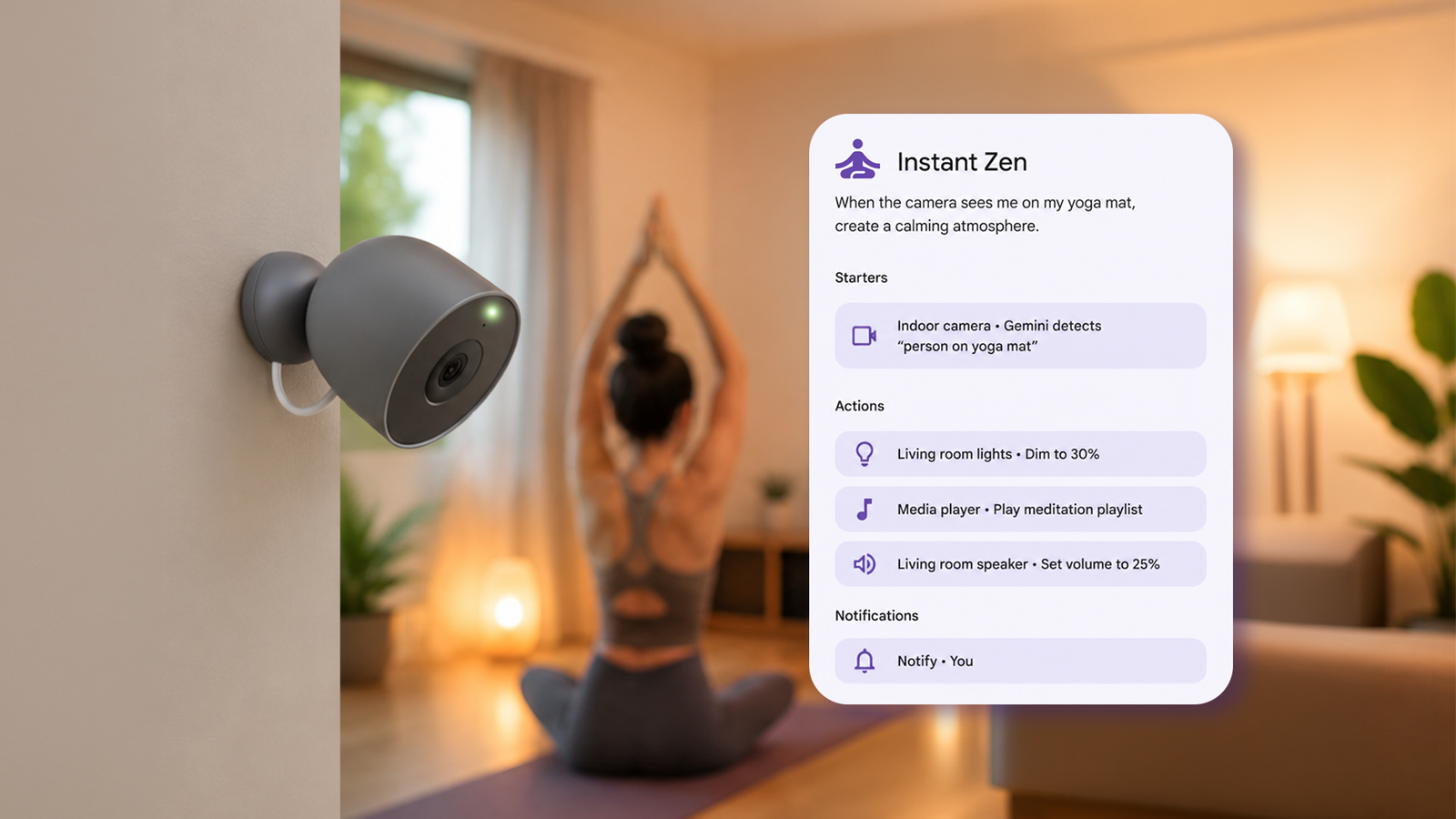
The long-term goal of this technology is “ambient computing”—a home that anticipates your needs without manual input. Google’s “Instant Zen” example demonstrates this: an indoor camera detects you on a yoga mat and automatically dims the lights and initiates a meditation playlist. This moves the smart home from a tool you control to an environment that reacts to your presence. As noted by industry observers, this represents a transition where the home becomes a proactive participant in daily life rather than a reactive set of gadgets.
Comparing Google Home subscription tiers
Accessing these advanced AI capabilities comes at a cost, as Google has placed the feature behind its Premium Advanced subscription. Understanding the differences between service levels is essential for users weighing the value of visual automation.
| Feature | Premium Standard ($10/mo) | Premium Advanced ($20/mo) |
|---|---|---|
| Event-based history | 30 days | 60 days |
| 24/7 continuous video | None | 10 days |
| Gemini Visual Automations | No | Yes |
Privacy and reliability risks of AI-driven homes
Relying on Large Language Models (LLMs) to interpret your home environment introduces significant technical hurdles. AI models are prone to “hallucinations,” which in a home security context could result in unintended routines triggering during the night. Furthermore, processing video through an AI model requires substantial computing power, which can introduce latency. Google explicitly warns that users should not rely on these camera automations for life-safety or time-critical security purposes, as the system requires processing time to analyze visual data.
Frequently Asked Questions
Do I need a new camera to use Gemini visual automations?
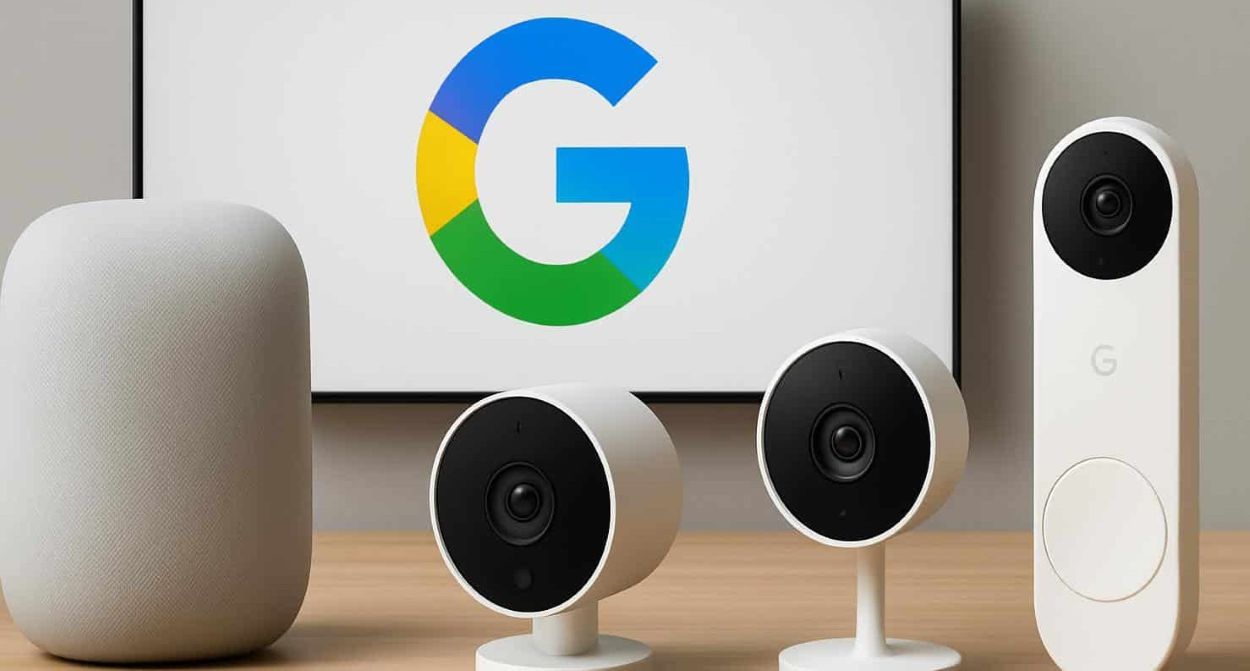
No, many existing Nest Cams are compatible. However, you must be enrolled in the Public Preview program and have an active Google Home Premium Advanced subscription.
Can this feature replace my security system?
Google advises against using these automations for life-safety or emergency situations due to potential latency and the inherent nature of AI processing.
What languages and regions are supported?
As of the initial rollout, the feature is available in US English for users within the Public Preview program.
Will this work with cameras from other manufacturers?
Google is expanding support to third-party devices through its “Gemini Built-in” program, allowing a wider range of hardware to utilize the platform’s intelligence.
Have you experimented with AI-based routines in your home? Share your thoughts on whether the $20 monthly subscription is worth the convenience in the comments below.